


Overview
The town before the east gate of Kitano Tenmangu, one of Kyoto's five geisha quarters.
About this place
Kamishichiken (上七軒), pronounced locally as Kamihichiken, is a district of northwest Kyoto, Japan. It is the oldest hanamachi (geisha district) in Kyoto, and is located just east of the Kitano Tenman-gū shrine. The name Kamishichiken literally means "Seven Upper Houses". These refer to the seven teahouses built from the equipment and material left over from the rebuilding of the Kitano Shrine in the Muromachi era (1333–1573). Kamishichiken is located in Kyoto's Nishijin area, which is known for traditional hand-woven textiles. The quiet streets of Kamigyō-ku are made up of dark wooden buildings, mainly ochaya (teahouses) and okiya (geisha houses). Unlike the other remaining districts, which are located close to the city center, Kamishichiken is further away, and accordingly significantly quieter and attracts fewer tourists. The geisha of this district are known for being subtle and demure, few in number but each highly accomplished dancers and musicians. There are approximately 25 maiko (apprentice geisha) and geisha in Kamishichiken, along with 11 teahouses. The district crest is a ring of skewered dango (sweet dumplings). On lanterns they appear as red circles on white paper (as opposed to Gion, which uses a similar design, but with the reverse colors – white dango on a red background).
Source: Wikipedia (CC BY-SA 4.0)
Source ja.wikipedia.org ↗Before you go
Three questions from the World Question Box that relate to this entry.
More in Culture & History
 KyotoCulture & History
Shimyo-in Temple
 KyotoCulture & History
Gion
 KyotoCulture & History
Togetsukyo Bridge
 KyotoCulture & History
Kyoto Aquarium
 KyotoCulture & History
 KyotoCulture & History
Mount Tenno
Check before you visit · References
The original sources are listed here. Confirm opening hours, whether visits are accepted, fees and access with the latest official information.
Crafts and specialties of this prefecture
Written by Value Village from public sources. Nothing here is reproduced from another site. Languages: ja / en / zh
Photos of Kyoto
Reference photos of the region related to this entry. They are not photos of the listed facility or product.
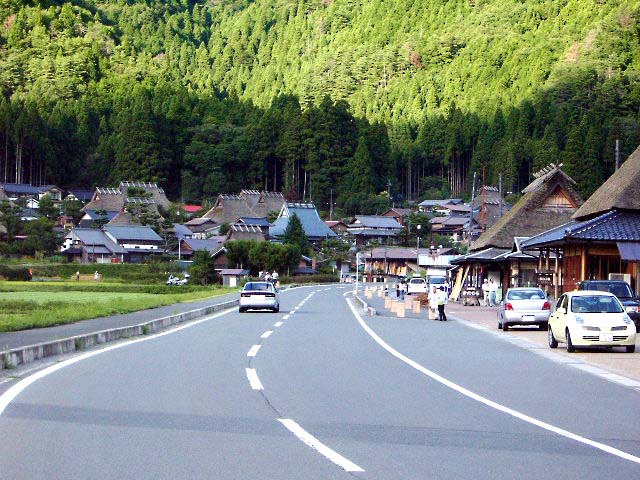 Enlarge ↗
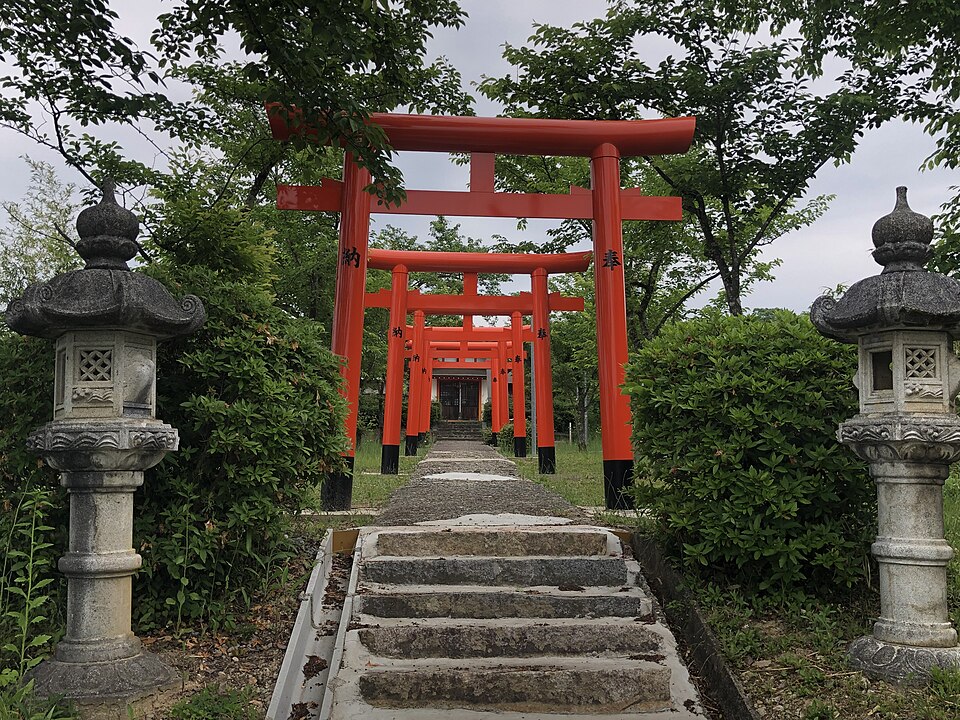 Enlarge ↗
Instagram posts from Kyoto (from official accounts)
There are no posts linked to this place yet. Posts from the prefecture's official accounts are shown, rotating every minute.