

.jpg)


.jpg)
.jpg)
Overview
Twelve hundred wild deer. Held to be messengers of the Kasuga deity, they have long been protected.
About this place
Nara Park (Japanese: 奈良公園, Hepburn: Nara Kōen) is a public park located in the city of Nara, Japan, at the foot of Mount Wakakusa. Established in 1880, it is one of the oldest parks in Japan. Administratively, the park is under the control of Nara Prefecture. The park is one of the "Places of Scenic Beauty" designated by the Ministry of Education, Culture, Sports, Science and Technology (MEXT). Over 1,200 wild sika deer (シカ or 鹿 shika) freely roaming around in the park are also under designation of MEXT, classified as natural treasure. While the official size of the park is about 502 hectares (1,240 acres), the area including the grounds of Tōdai-ji, Kōfuku-ji, Kasuga Grand Shrine and Nara National Museum, which are either on the edge or surrounded by Nara Park, is as large as 660 hectares (1,600 acres). Nara Park began in 1880, when a 14-hectare area within the grounds of Kōfuku-ji, which was government-owned land, was designated as a park. In 1889, Todai-ji, Kasugano and mountainous areas such as Mount Wakakusa were added, expanding the park to 535 hectares. From 1949 to 1951, the park designation within the temple grounds was revoked, reducing the area to 500 hectares. In 1960, it was officially designated as Nara Park under the Urban Park Act, with an area of 502 hectares. The wild animals that inhabit the park include sika deer, wild boar, Japanese raccoon dogs, Japanese giant flying squirrels and Japanese squirrels, among others. The vegetation consists of pine trees, c
Source: Wikipedia (CC BY-SA 4.0)
Source ja.wikipedia.org ↗Key facts
Founded / opened:1880 Designation:Natural Monument
Source ja.wikipedia.org ↗Official website
Check the official website for current opening hours, fees and closing days.
Source nara-park.com ↗Before you go
Three questions from the World Question Box that relate to this entry.
Check before you visit · References
The original sources are listed here. Confirm opening hours, whether visits are accepted, fees and access with the latest official information.
Crafts and specialties of this prefecture
Written by Value Village from public sources. Nothing here is reproduced from another site. Languages: ja / en / zh
Photos of Nara
Reference photos of the region related to this entry. They are not photos of the listed facility or product.
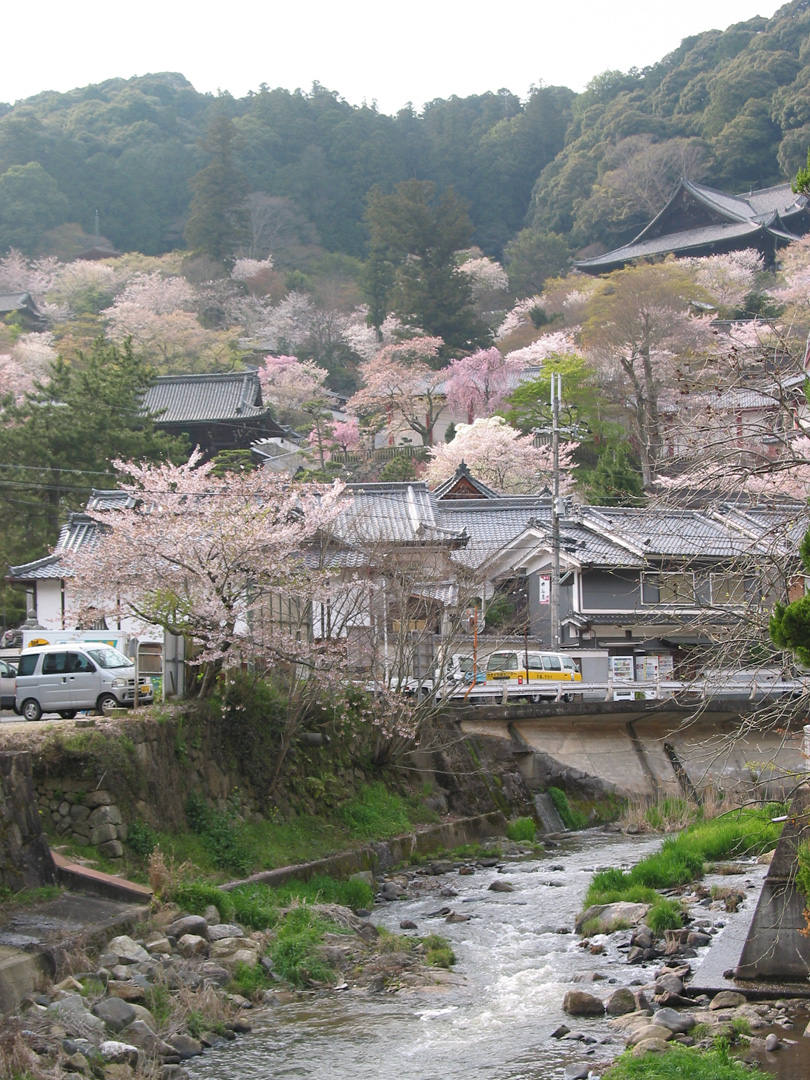 Enlarge ↗
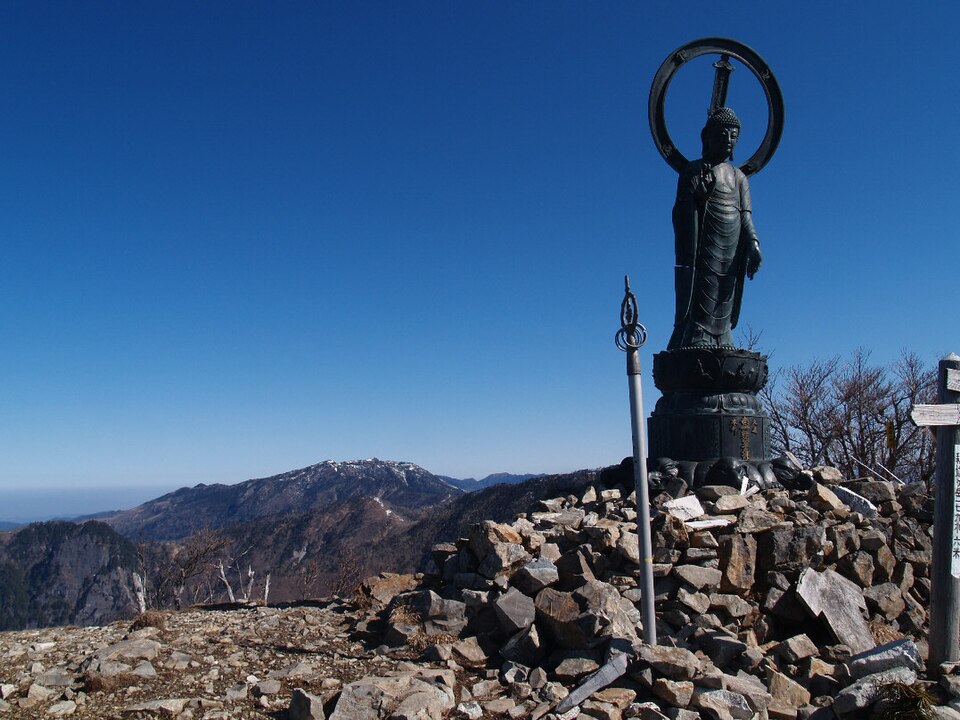 Enlarge ↗
Instagram posts from Nara (from official accounts)
There are no posts linked to this place yet. Posts from the prefecture's official accounts are shown, rotating every minute.