
 — · CC BY-SA 3.0


Overview
Repatriates brought the taste back from Manchuria. The city competes for the top spot in national consumption.
About this place
Jiaozi (simplified Chinese: 饺子; traditional Chinese: 餃子; pinyin: jiǎo zi; [tɕjàʊ.tsɹ̩] ) are a type of Chinese dumpling. They typically consist of a ground meat or vegetable filling wrapped into a thinly rolled piece of dough, which is then sealed by pressing the edges together. They can be boiled (水餃; shuǐjiǎo), steamed (蒸餃; zhēngjiǎo), pan-fried (煎餃; jiānjiǎo), deep-fried (炸餃; zhàjiǎo), or baked (烤餃; kǎojiǎo), and are traditionally served with a black vinegar and soy sauce dip. They can also be served in a soup (湯餃; tāngjiǎo). Jiaozi have great cultural significance within China. They are one of the major dishes eaten during the Chinese New Year throughout northern China and eaten all year round in the northern provinces. Their resemblance to the gold and silver ingots (sycee) used in Imperial China has meant that they symbolize wealth and good fortune. A Japanese variety of jiaozi is referred to as gyōza. Jiaozi was introduced to Japan by the return of millions of Japanese colonizers from China following the end of World War II (specifically the Second Sino-Japanese War). In the West, pan-fried jiaozi or jianjiao may be referred to as potstickers, derived from the Chinese word guōtiē (鍋貼; 'pot stick').
Source: Wikipedia (CC BY-SA 4.0)
Source ja.wikipedia.org ↗Before you go
Three questions from the World Question Box that relate to this entry.
More in Historic Districts

Check before you visit · References
The original sources are listed here. Confirm opening hours, whether visits are accepted, fees and access with the latest official information.
Crafts and specialties of this prefecture
Written by Value Village from public sources. Nothing here is reproduced from another site. Languages: ja / en / zh
Photos of Tochigi
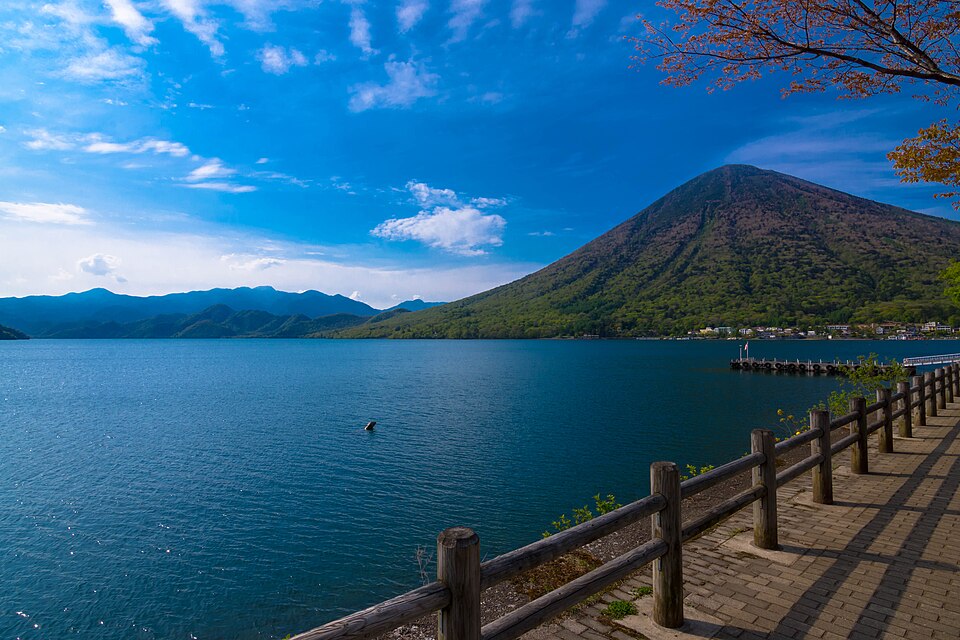
Reference photos of the region related to this entry. They are not photos of the listed facility or product.
 Enlarge ↗
Instagram posts from Tochigi (from official accounts)
There are no posts linked to this place yet. Posts from the prefecture's official accounts are shown, rotating every minute.