
Overview
A school born when a samurai learned Western technique from Hiraga Gennai - and gone within a decade.
About this place
Akita ranga (秋田蘭画), also known as the Akita-ha (秋田派), was a short-lived school of painting within the larger Japanese genre of ranga, or Dutch-style painting which lasted roughly from 1773 to 1780. Based in Kubota Domain, a feudal domain, in the Tōhoku region of Honshū, northern Japan, in what is now Akita Prefecture, it was headed by the domain's lord Satake Shozan and his retainer Odano Naotake. Though many ranga artists, most prominently Shiba Kōkan, produced works on European themes, the Akita painters for the most part painted traditional Japanese themes and compositions using Western-style techniques and an approximation of oil paints. Some of the chief features that distinguish Akita ranga from traditional Japanese painting (nihonga) are the inclusion of shadows, the use of perspective, reflections in water, and the use of blue for sky and sea. In addition, ranga artists left little or no blank space on a work, emulating Western art traditions and going against East Asian ones, and used oils and resins in addition to Japanese pigments to simulate the appearance of oil paint. Many of their works feature a large foreground subject which displays techniques in light and shadow, with a small, distant, landscape, displaying an understanding of perspective projection techniques.
Source: Wikipedia (CC BY-SA 4.0)
Source ja.wikipedia.org ↗Key facts
Founded / opened:1770s Highlights / collection:Naotake Odano, Shinobazu Pond, Works by Akita lord Satake Shozan Genre:Nihonga (Japanese-style painting), Western-style painting
Source ja.wikipedia.org ↗Before you go
Three questions from the World Question Box that relate to this entry.
Contributions
Corrections, first-hand notes, opening hours and translations from visitors and residents, checked before publishing.
Contribute about this place →More in Art & Crafts


Check before you visit · References
The original sources are listed here. Confirm opening hours, whether visits are accepted, fees and access with the latest official information.
Crafts and specialties of this prefecture
Written by Value Village from public sources. Nothing here is reproduced from another site. Languages: ja / en
Photos of Akita
Reference photos of the region related to this entry. They are not photos of the listed facility or product.
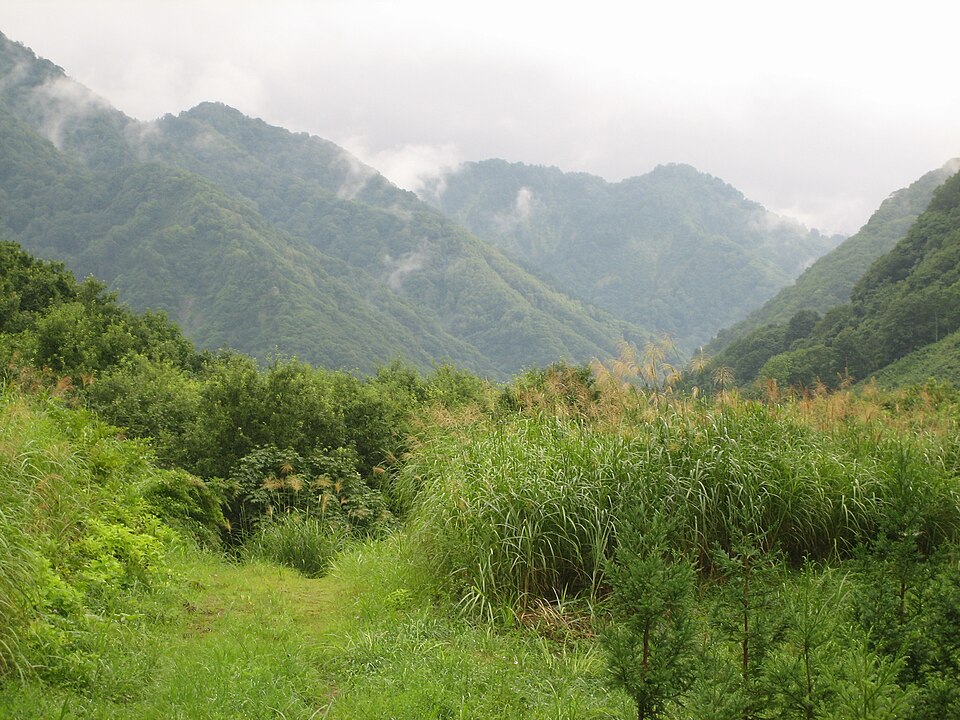 Enlarge ↗
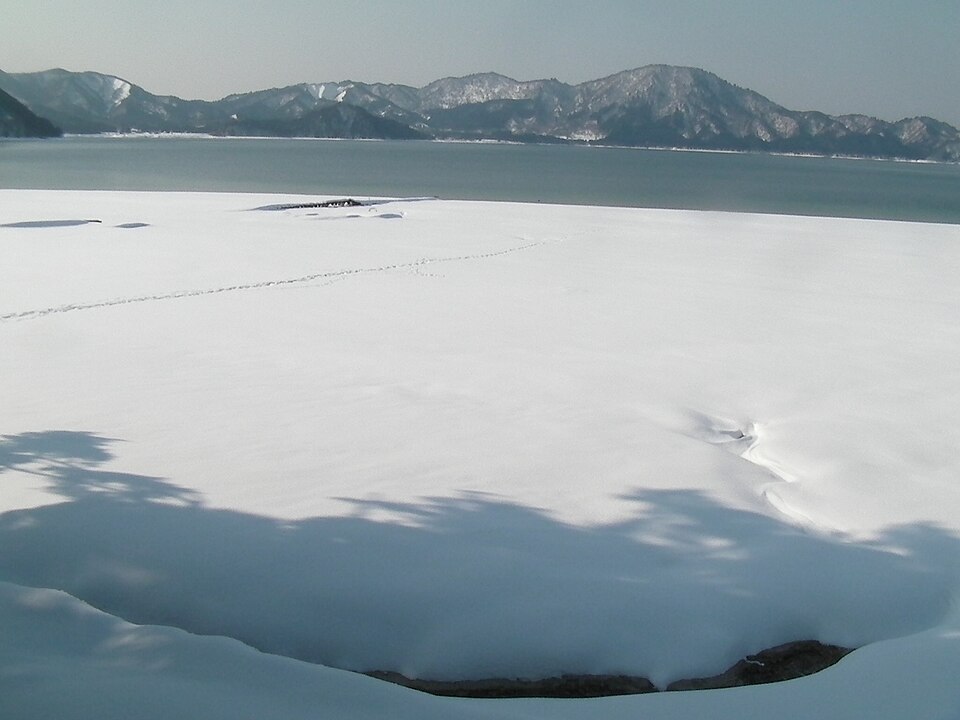 Enlarge ↗
Instagram posts from Akita (from official accounts)
There are no posts linked to this place yet. Posts from the prefecture's official accounts are shown, rotating every minute.