


Overview
A hundred snow huts lit from within, each enshrining the water deity.
About this place
Kamakura (かまくら or カマクラ) is a type of traditional snow dome or quinzhee in snowy regions of Japan. Kamakura may also refer to the various ceremonial winter celebrations involving those snow domes, or to the Shinto deity Kamakura Daimyojin (鎌倉大明神), who is revered during some of those celebrations. During some kamakura festivals, altars are set up inside domes of snow and Shinto rites are performed. The ceremonies in some locales are reputedly adaptations of a traditional ceremony once held in the Kyoto Imperial Palace. It appears that the practice of worshipping Suijin, a Shinto god of water, during the winter came to northeastern Japan during the early Kamakura period when the Nikaidō clan became local landowners. This ceremony may have morphed into various winter fire festivals during which villagers pray for good harvests. In the Uonuma region of south-central Niigata Prefecture, the snow domes made for such ceremonies are known as honyara-dō. One theory holds that the term kamakura arose from the resemblance of many snow domes to round ceramic kilns (窯, kama). A different theory suggests that kamakura is a corruption of kami-kura, (神蔵) which might be translated as a "storehouse of the gods." In either case, the connection with the city of Kamakura in present-day Kanagawa prefecture is tenuous. However, in places where the deity Kamakura Daimyojin is worshipped and Kamakura festivals date back to the days of the Kamakura shogunate, the ceremony might have been one way for
Source: Wikipedia (CC BY-SA 4.0)
Source ja.wikipedia.org ↗Key facts
Founded / opened:1600s Highlights / collection:Snow room and altar of the water deity Genre:Outdoor art and land art
Source ja.wikipedia.org ↗Before you go
Three questions from the World Question Box that relate to this entry.
More in Contemporary Art


Check before you visit · References
The original sources are listed here. Confirm opening hours, whether visits are accepted, fees and access with the latest official information.
Crafts and specialties of this prefecture
Written by Value Village from public sources. Nothing here is reproduced from another site. Languages: ja / en
Photos of Akita
Reference photos of the region related to this entry. They are not photos of the listed facility or product.
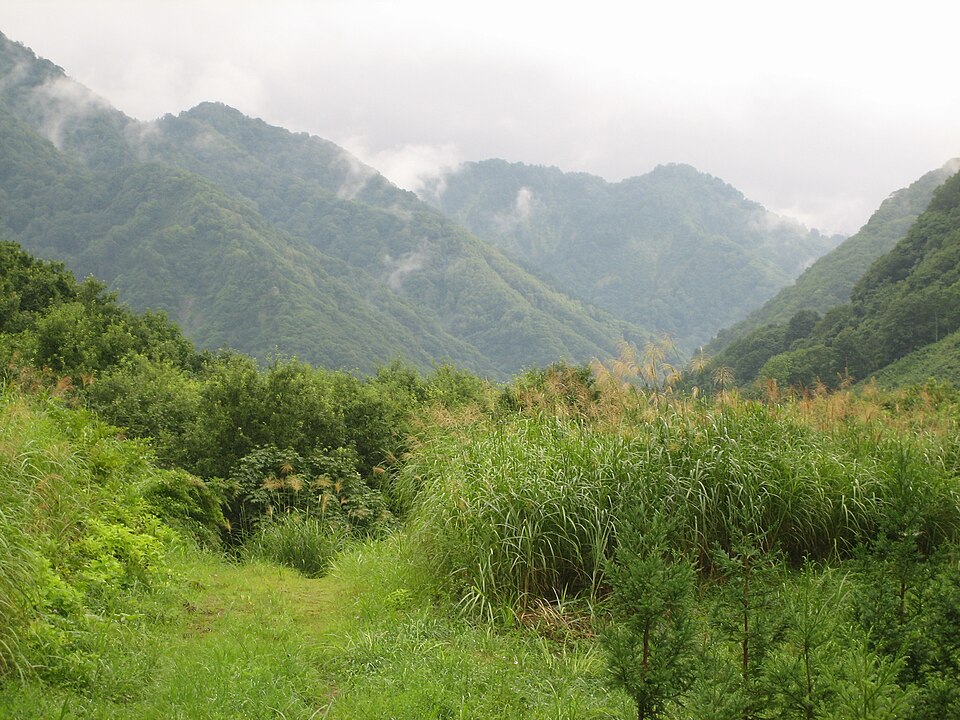 Enlarge ↗
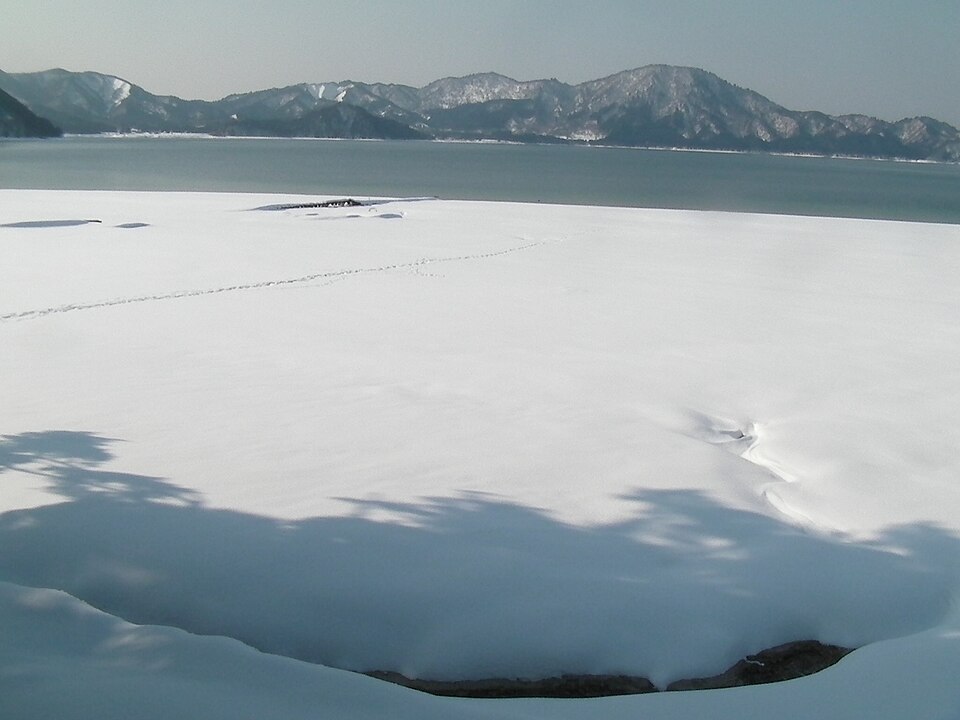 Enlarge ↗
Instagram posts from Akita (from official accounts)
There are no posts linked to this place yet. Posts from the prefecture's official accounts are shown, rotating every minute.