Overview
Plant dye and mud alternated more than twenty times to reach a black no chemical dye can match.
About this place
Mud dyeing is a technique of dyeing fibers using mud as a mordant. Color develops when tannin contained in the dye reacts with iron in the mud, and Oshima tsumugi and Bogolanfini are examples using the mud dyeing technique. It uses iron-containing mud as a mordant: by rubbing mud onto thread or cloth pre-dyed with dye, or soaking it in muddy water, the iron in the mud penetrates the fibers and reacts with the tannin in the dye to develop a blackish color.
Source: Wikipedia (CC BY-SA 4.0)
Source ja.wikipedia.org ↗Key facts
Founded / opened:1300 years ago Highlights / collection:Sharinbai dye liquid and mud paddy, Repeated more than 20 times Genre:Textiles and dyeing
Source ja.wikipedia.org ↗Before you go
Three questions from the World Question Box that relate to this entry.
More in Art & Crafts


Check before you visit · References
The original sources are listed here. Confirm opening hours, whether visits are accepted, fees and access with the latest official information.
Crafts and specialties of this prefecture
Written by Value Village from public sources. Nothing here is reproduced from another site. Languages: ja / en
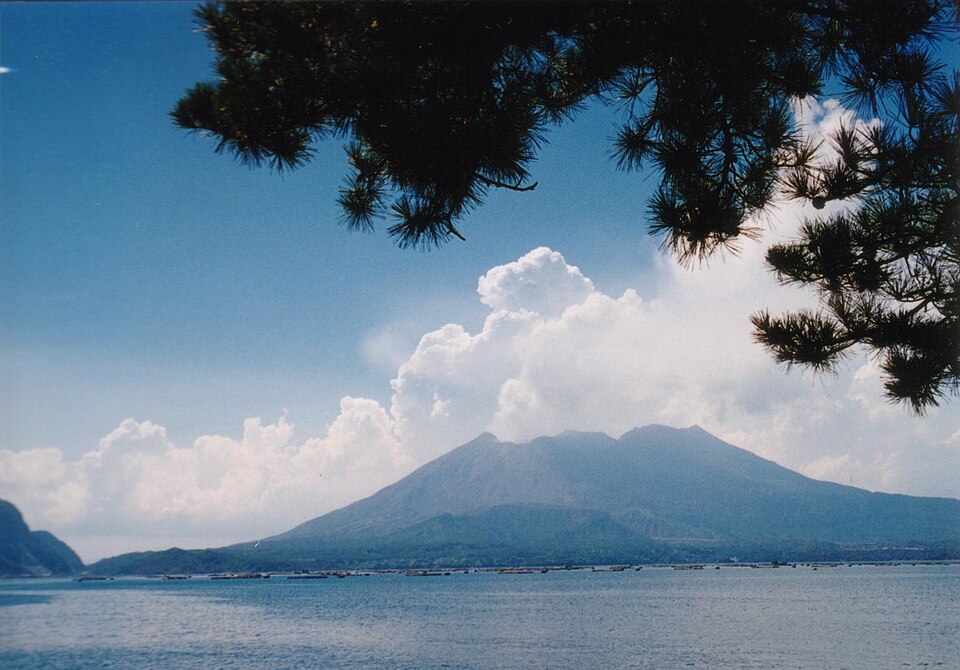
Photos of Kagoshima
Reference photos of the region related to this entry. They are not photos of the listed facility or product.
 Enlarge ↗
Instagram posts from Kagoshima (from official accounts)
There are no posts linked to this place yet. Posts from the prefecture's official accounts are shown, rotating every minute.