


Overview
Called a moving museum: Persian and Flemish textiles imported in the 1500s still hang on the floats every July.
About this place
The Gion Festival (祇園祭, Gion Matsuri) is one of the largest and most famous festivals in Japan, taking place annually during the month of July in Kyoto. Many events take place in central Kyoto and at the Yasaka Shrine, the festival's patron shrine, located in Kyoto's famous Gion district, which gives the festival its name. It is formally a Shinto festival, and its original purposes were purification and pacification of disease-causing entities. There are many ceremonies held during the festival, but it is best known for its two Yamaboko Junkō (山鉾巡行) processions of floats, which take place on July 17 and 24. The three nights leading up to each day of a procession are sequentially called yoiyoiyoiyama (宵々々山), yoiyoiyama (宵々山), and yoiyama (宵山). During these yoiyama evenings, Kyoto's downtown area is reserved for pedestrian traffic, and some traditional private houses near the floats open their entryways to the public, exhibiting family heirlooms in a custom known as the Folding Screen Festival (屏風祭り, Byōbu Matsuri). Additionally, the streets are lined with night stalls selling food such as yakitori (barbecued chicken on skewers), taiyaki, takoyaki (fried octopus balls), okonomiyaki, traditional Japanese sweets, and many other culinary delights.
Source: Wikipedia (CC BY-SA 4.0)
Source ja.wikipedia.org ↗Key facts
Founded / opened:869 Highlights / collection:34 Yamaboko floats, Float hangings of Persian carpets and Gobelin tapestries Genre:Textiles and dyeing, Sculpture, Lacquer art
Source ja.wikipedia.org ↗Official website
Check the official website for current opening hours, fees and closing days.
Source yasaka-jinja.or.jp ↗Before you go
Three questions from the World Question Box that relate to this entry.
Contributions
Corrections, first-hand notes, opening hours and translations from visitors and residents, checked before publishing.
Contribute about this place →More in Art & Crafts


Check before you visit · References
The original sources are listed here. Confirm opening hours, whether visits are accepted, fees and access with the latest official information.
Crafts and specialties of this prefecture
Written by Value Village from public sources. Nothing here is reproduced from another site. Languages: ja / en
Photos of Kyoto
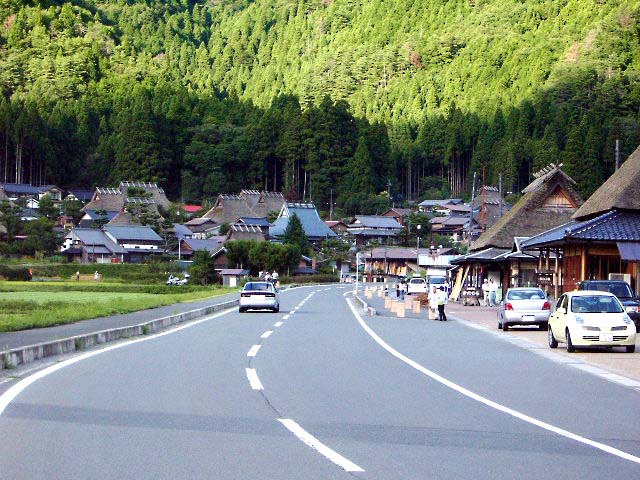
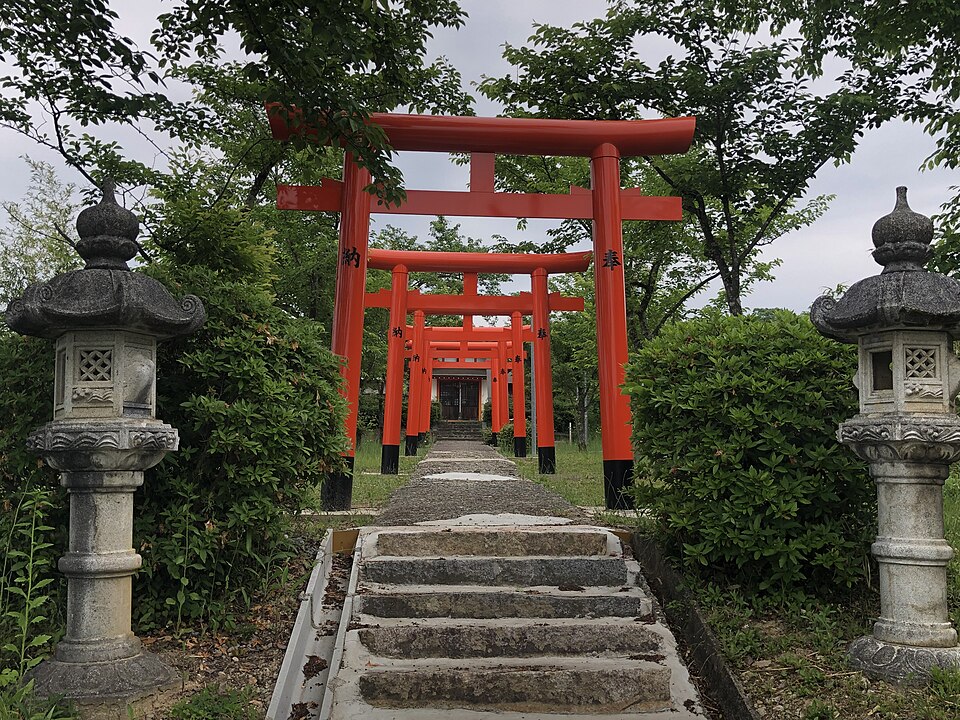
Reference photos of the region related to this entry. They are not photos of the listed facility or product.
 Enlarge ↗
 Enlarge ↗
Instagram posts from Kyoto (from official accounts)
There are no posts linked to this place yet. Posts from the prefecture's official accounts are shown, rotating every minute.