
Overview
The garden that shows water without using any was perfected in Kyoto's Zen temples - mountain, river and sea in stone alone.
About this place
The Japanese dry garden (枯山水, karesansui) or Japanese rock garden, often called a Zen garden, is a distinctive style of Japanese garden. It creates a miniature stylized landscape through carefully composed arrangements of rocks, water features, moss, pruned trees and bushes, and uses gravel or sand that is raked to represent ripples in water. Zen gardens are commonly found at temples or monasteries. A Zen garden is usually relatively small, surrounded by a wall or buildings, and is usually meant to be seen while seated from a single viewpoint outside the garden, such as the porch of the hojo, the residence of the chief monk of the temple or monastery. Many, with gravel rather than grass, are only stepped into for maintenance. Classical Zen gardens were created at temples of Zen Buddhism in Kyoto during the Muromachi period. They were intended to imitate the essence of nature, not its actual appearance, and to serve as an aid for meditation.
Source: Wikipedia (CC BY-SA 4.0)
Source ja.wikipedia.org ↗Key facts
Founded / opened:Muromachi period Highlights / collection:Water expressed only with white sand and stones, Hojo garden of a Zen temple Genre:Architecture, Outdoor art and land art
Source ja.wikipedia.org ↗Before you go
Three questions from the World Question Box that relate to this entry.
Contributions
Corrections, first-hand notes, opening hours and translations from visitors and residents, checked before publishing.
Contribute about this place →More in Architecture


Check before you visit · References
The original sources are listed here. Confirm opening hours, whether visits are accepted, fees and access with the latest official information.
Crafts and specialties of this prefecture
Written by Value Village from public sources. Nothing here is reproduced from another site. Languages: ja / en
Photos of Kyoto
Reference photos of the region related to this entry. They are not photos of the listed facility or product.
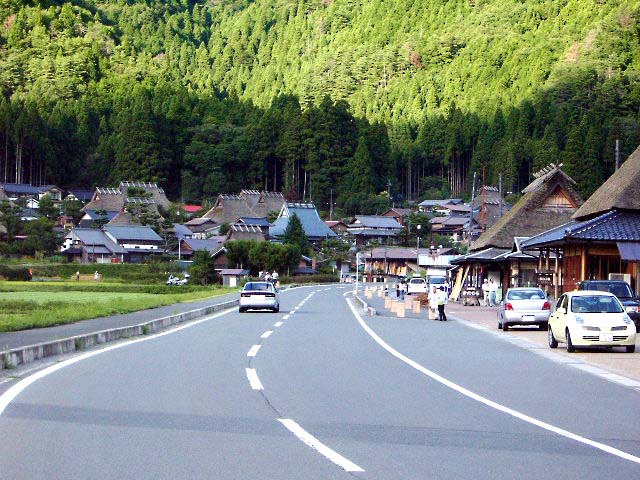 Enlarge ↗
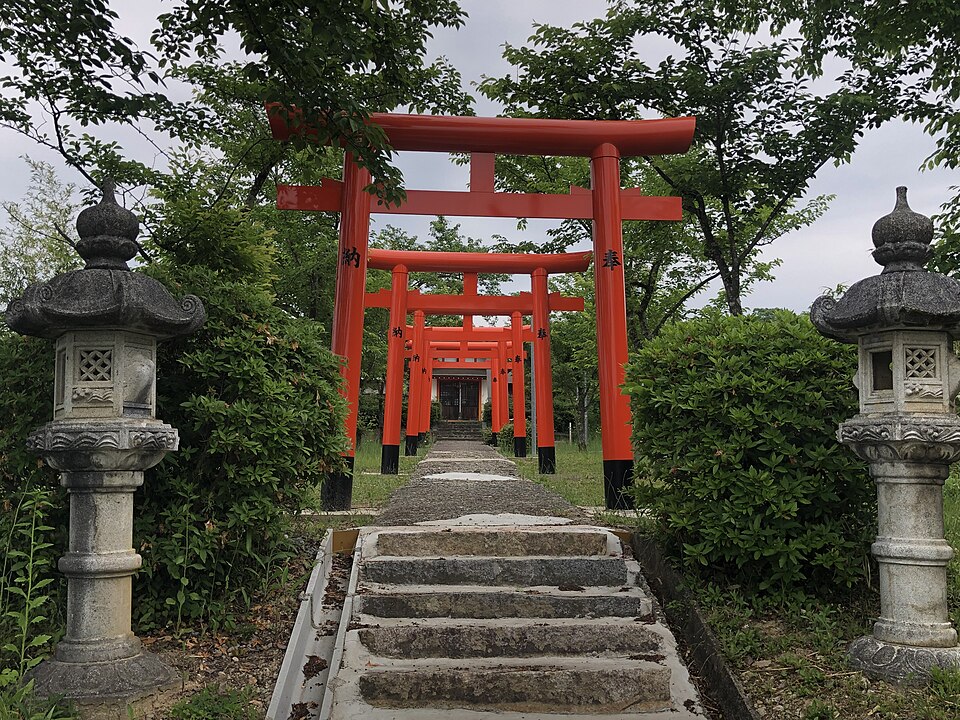 Enlarge ↗
Instagram posts from Kyoto (from official accounts)
There are no posts linked to this place yet. Posts from the prefecture's official accounts are shown, rotating every minute.