


Overview
Named for the camp of a 15th-century war where the weavers regrouped; still built on small runs and divided labour.
About this place
Nishijin-ori (西陣織, lit. 'Nishijin fabric') refers to traditional silk textiles produced in the Nishijin (西陣) district of Kamigyō-ku in Kyoto, Japan. The textiles can be woven using various techniques, such as tsumugi, kasuri, velvet, damask, brocade, and more. The term, therefore, refers to the place of origin, not a particular technique or pattern. Originating in Heian-kyō (now Kyoto) over 1,200 years ago, Nishijin weaving is known for its highly decorative and finely woven designs, created through the use of tedious and specialised production processes. It is well-regarded for the high quality and craftsmanship of the resulting fabrics, commonly used for high-quality obi and kimono.
Source: Wikipedia (CC BY-SA 4.0)
Source ja.wikipedia.org ↗Key facts
Founded / opened:5th century Highlights / collection:12 types including tsuzure, nishiki and donsu, Gold and silver thread hikihaku Genre:Textiles and dyeing
Source ja.wikipedia.org ↗Official website
Check the official website for current opening hours, fees and closing days.
Source nishijin.or.jp ↗Before you go
Three questions from the World Question Box that relate to this entry.
Same place in other collections

More in Art & Crafts


Check before you visit · References
The original sources are listed here. Confirm opening hours, whether visits are accepted, fees and access with the latest official information.
Crafts and specialties of this prefecture
Written by Value Village from public sources. Nothing here is reproduced from another site. Languages: ja / en
Photos of Kyoto
Reference photos of the region related to this entry. They are not photos of the listed facility or product.
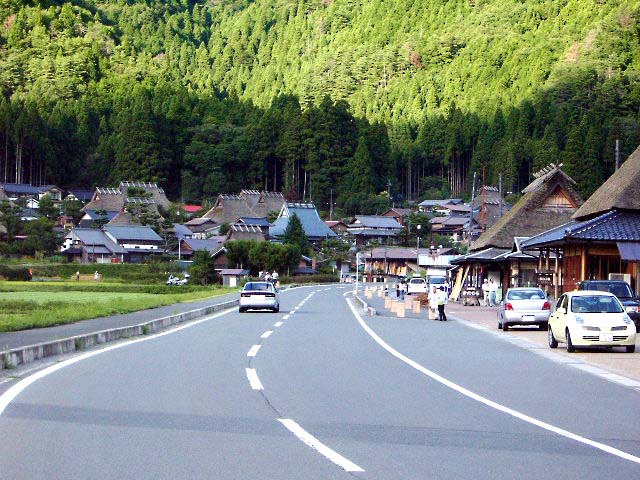 Enlarge ↗
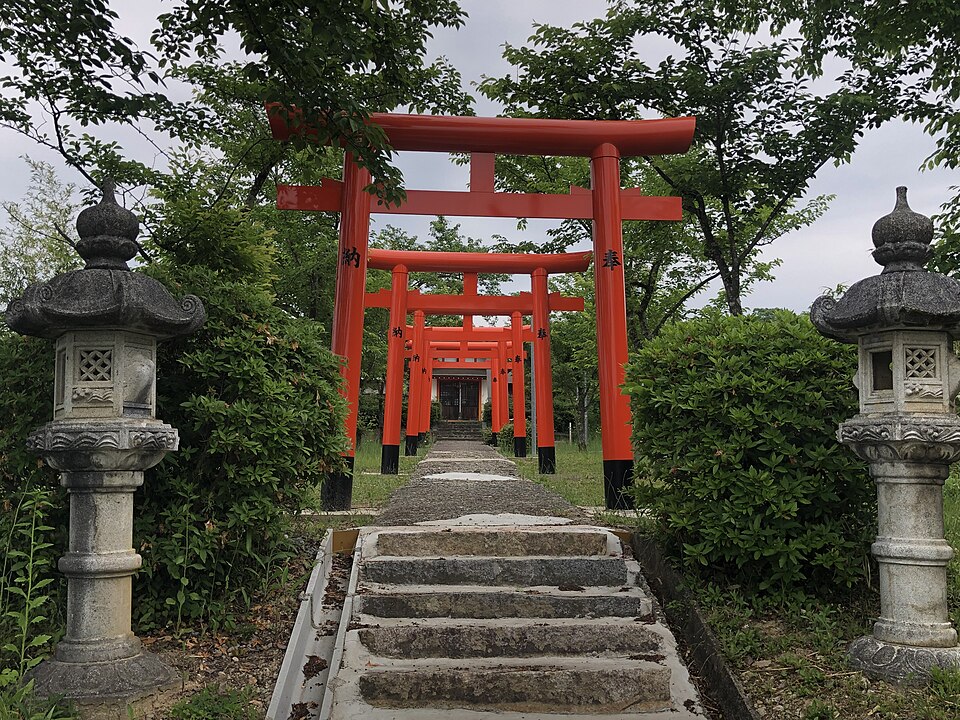 Enlarge ↗
Instagram posts from Kyoto (from official accounts)
There are no posts linked to this place yet. Posts from the prefecture's official accounts are shown, rotating every minute.