
Overview
Over five hundred paired stone deities stand along these roads - holding hands, pouring wine, no two alike.
About this place
Dōsojin (道祖神) are a class of protective Shinto deities (kami) commonly venerated in eastern Japan, particularly in the Kantō, Chūbu, and Tōhoku regions. They are associated with liminal spaces such as village boundaries, crossroads, and mountain passes, and are believed to ward off evil spirits, epidemics, and other harmful influences that threaten individuals or communities during transitional stages of life.2 Dōsojin (道祖神; literally, "road ancestor deity") is a generic name for a type of Shinto kami popularly worshipped in Kantō and neighboring areas in Japan where, as tutelary deities of borders and paths, they are believed to protect travellers, pilgrims, villages, and individuals in "transitional stages" from epidemics and evil spirits. Also called Sae no kami or Sai no kami (障の神・塞の神), Dōrokujin (道陸神) or Shakujin (石神; literally: "stone kami"). Dōsojin are often represented as a human couple, carved male or female genitals, large stones or statues, or even tall poles along a road. Dōsojin are sometimes housed in small roadside Shinto shrines called hokora. In rural areas Dōsojin can be found at village boundaries, in mountain passes, or along byways, and in urban areas they can be seen at street corners or near bridges. When shaped like a phallus, they are associated with birth, procreation, and marital harmony. When represented as a human couple, Dōsojin are revered as deities of boundaries, roads, travellers, villagers, marriage, fertility, health, agriculture, harvest,
Source: Wikipedia (CC BY-SA 4.0)
Source ja.wikipedia.org ↗Key facts
Founded / opened:Edo period Highlights / collection:More than 500 paired dosojin, Statue holding a sake vessel Genre:Sculpture
Source ja.wikipedia.org ↗Before you go
Three questions from the World Question Box that relate to this entry.
Contributions
Corrections, first-hand notes, opening hours and translations from visitors and residents, checked before publishing.
Contribute about this place →More in Art & Crafts


Check before you visit · References
The original sources are listed here. Confirm opening hours, whether visits are accepted, fees and access with the latest official information.
Crafts and specialties of this prefecture
Written by Value Village from public sources. Nothing here is reproduced from another site. Languages: ja / en
Photos of Nagano
Reference photos of the region related to this entry. They are not photos of the listed facility or product.
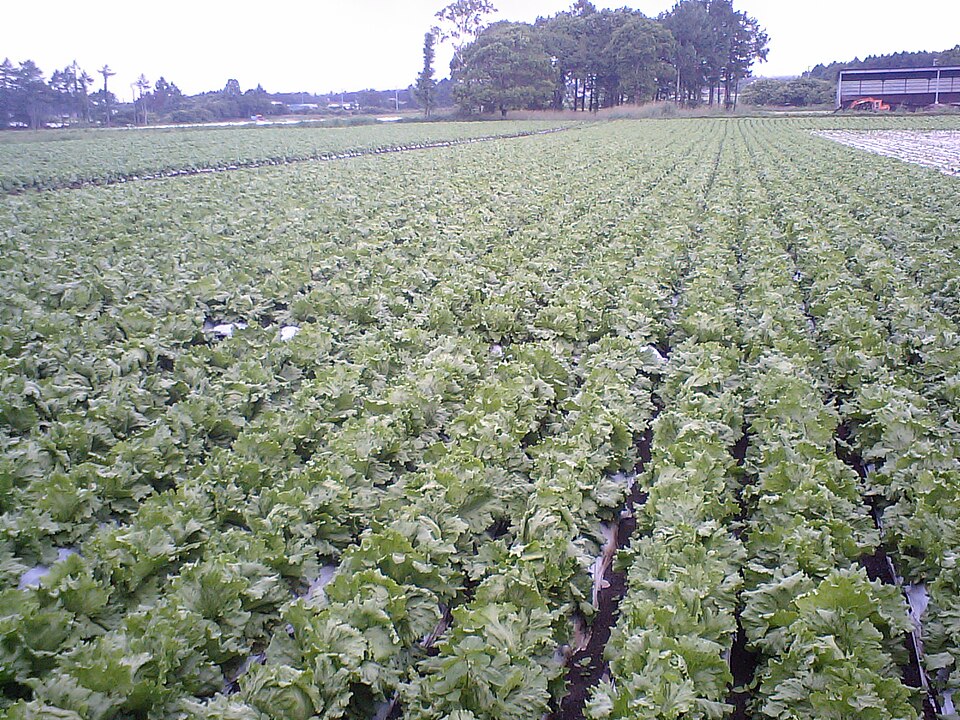 Enlarge ↗
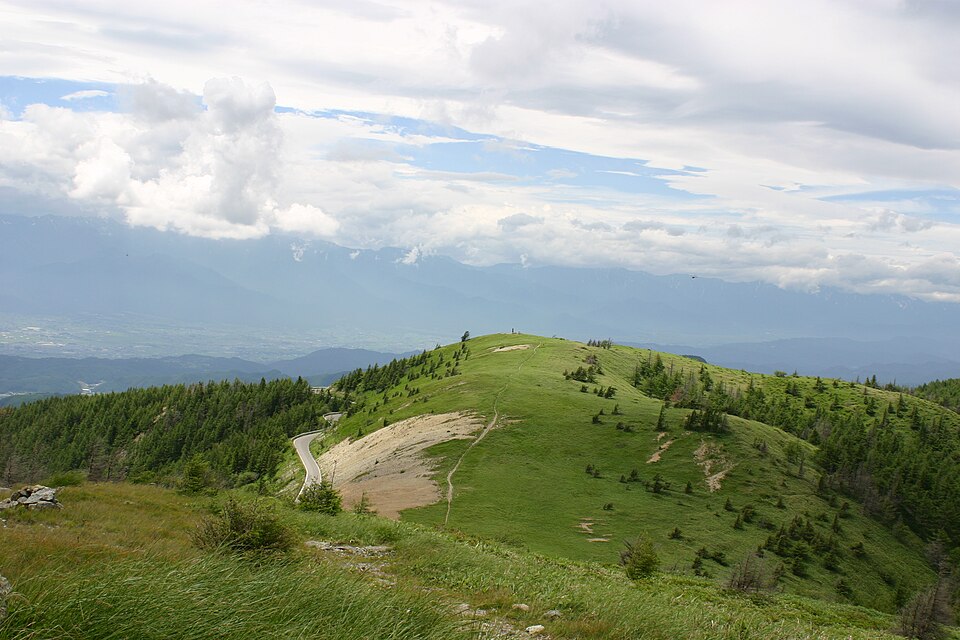 Enlarge ↗
Instagram posts from Nagano (from official accounts)
There are no posts linked to this place yet. Posts from the prefecture's official accounts are shown, rotating every minute.