
.jpg)


Overview
An entire capital lay under farmland; its gate and throne hall have been rebuilt in timber at full size.
About this place
Heijō Palace (平城宮, Heijō-kyū) was the imperial residence in the Japanese capital city Heijō-kyō (today's Nara), during most of the Nara period. The palace, which served as the imperial residence and the administrative centre for most of the Nara period from 710 to 794 AD, was located at the north-central location of the city in accordance with the Chinese models used for the design of the capital. The palace consisted of a daidairi (大内裏; also pronounced taidairi), a large rectangular walled enclosure which contained several ceremonial and administrative buildings, including the government ministries. Inside this enclosure was the separately walled residential compound of the emperor or the Inner Palace. In addition to the emperor's living quarters, the Inner Palace contained the residences of the imperial consorts as well as certain official and ceremonial buildings more closely linked to the person of the emperor. The original role of the palace was to manifest the centralised government model adopted by Japan from China in the 7th century—the Daijō-kan and its subsidiary Eight Ministries. The palace was designed to provide an appropriate setting for the emperor's residence, the conduct of state affairs, and associated ceremonial functions. After the capital was moved to Heian, the palace structures were either moved there or suffered several fires and other disasters and disappeared. The site was converted to agricultural use, and almost no trace of it remained; the locatio
Source: Wikipedia (CC BY-SA 4.0)
Source ja.wikipedia.org ↗Key facts
Founded / opened:710 Highlights / collection:Reconstructed Suzakumon and Daigokuden, 120 hectares of remains Genre:Architecture, Antique art and Buddhist art
Source ja.wikipedia.org ↗Official website
Check the official website for current opening hours, fees and closing days.
Source heijo-park.go.jp ↗Before you go
Three questions from the World Question Box that relate to this entry.
Same place in other collections

More in Architecture


Check before you visit · References
The original sources are listed here. Confirm opening hours, whether visits are accepted, fees and access with the latest official information.
Crafts and specialties of this prefecture
Written by Value Village from public sources. Nothing here is reproduced from another site. Languages: ja / en
Photos of Nara
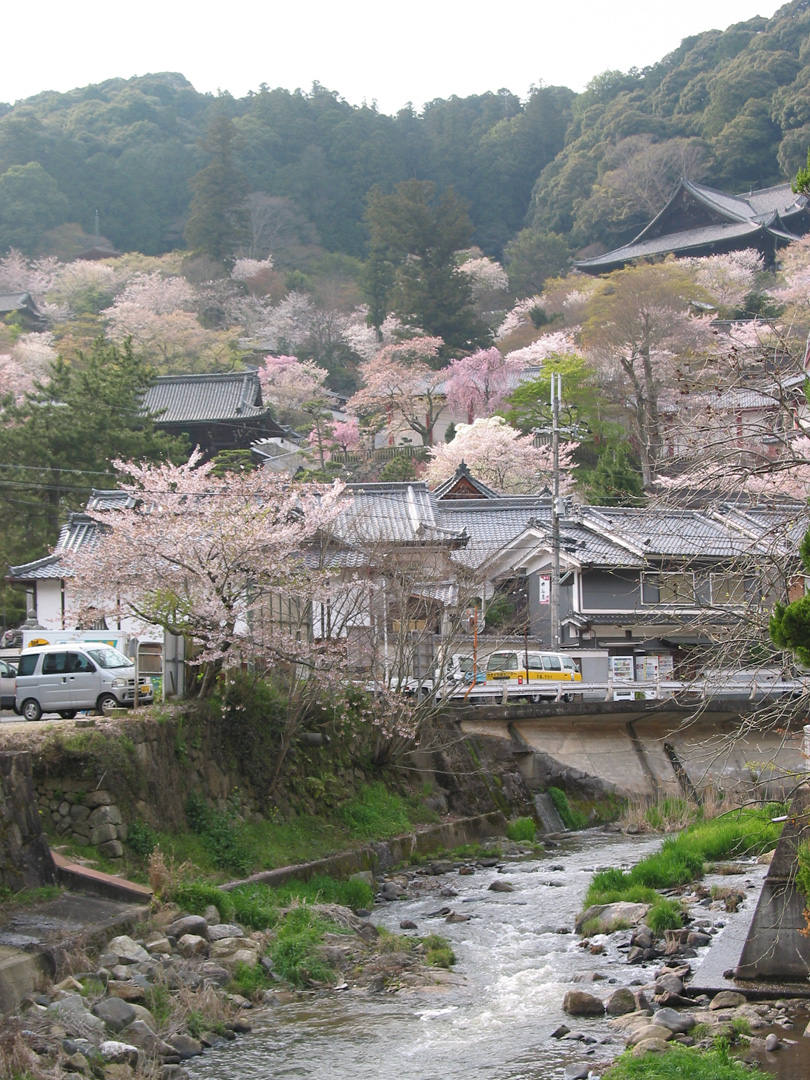
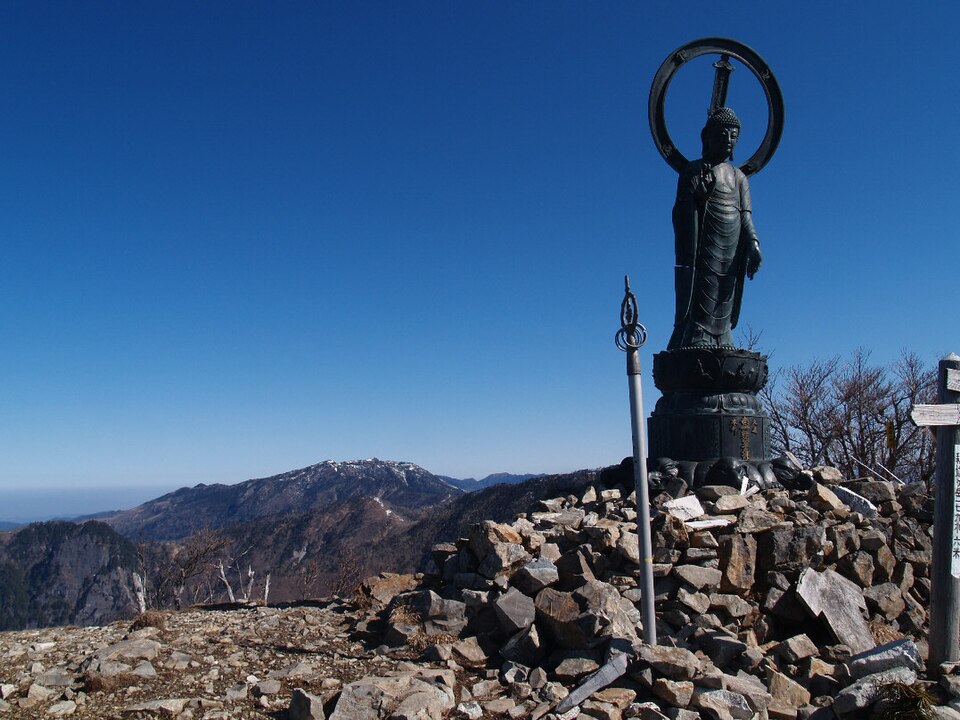
Reference photos of the region related to this entry. They are not photos of the listed facility or product.
 Enlarge ↗
 Enlarge ↗
Instagram posts from Nara (from official accounts)
There are no posts linked to this place yet. Posts from the prefecture's official accounts are shown, rotating every minute.