
_2016.jpg)


_-_%E3%82%AD%E3%83%88%E3%83%A9%E5%8F%A4%E5%A2%B3%E5%A4%A9%E4%BA%95%E5%A3%81%E7%94%BB.jpg) — · Public domain
— · Public domainOverview
Four directional beasts on four walls and a star chart on the ceiling - the only tomb where all four survive.
About this place
The Kitora Tomb (キトラ古墳, Kitora Kofun) is an ancient tumulus (kofun in Japanese) located in the village of Asuka, Nara Prefecture, Japan. The tomb is believed to have been constructed some time between the 7th and early 8th centuries, but was only discovered in 1983. A small stone chamber, the Kitora Tomb is a little over 1 metre in height and width and about 2.4 metres long, just large enough to bury a single person. The four walls are aligned with the cardinal points of the compass, and respectively feature the Black Divine Tortoise of the North, the Azure Dragon of the East, the Red Phoenix of the South, and the White Tiger of the West. On the ceiling of the chamber, there is also an astronomical chart that has been the focus of much research and debate by scholars in the field of archaeoastronomy. In addition, the 12 zodiac animal-headed figures with human bodies are painted on the wall, which may be one of the oldest remaining zodiac murals in East Asia. Fragments of a lacquered wooden coffin, torn apart when the tomb was robbed, lay 5 cm thick on the chamber floor, mixed with grave goods and human bone. A gilded bronze fitting and sword decorations were discovered, both executed with superbly inlaid patterns. Based upon analysis of the bone fragments and items found in the tomb, it is believed the interred was a middle-aged or older male of aristocratic background. The paintings have suffered the ravages of time, and, as National Treasure of Japan and World Heritage, the
Source: Wikipedia (CC BY-SA 4.0)
Source ja.wikipedia.org ↗Key facts
Founded / opened:end of the 7th century Highlights / collection:Mural of the Four Guardians, One of the oldest astronomical charts in East Asia Genre:Nihonga (Japanese-style painting), Antique art and Buddhist art
Source ja.wikipedia.org ↗Official website
Check the official website for current opening hours, fees and closing days.
Source asuka-park.go.jp ↗Before you go
Three questions from the World Question Box that relate to this entry.
More in Museums


Check before you visit · References
The original sources are listed here. Confirm opening hours, whether visits are accepted, fees and access with the latest official information.
Crafts and specialties of this prefecture
Written by Value Village from public sources. Nothing here is reproduced from another site. Languages: ja / en
Photos of Nara
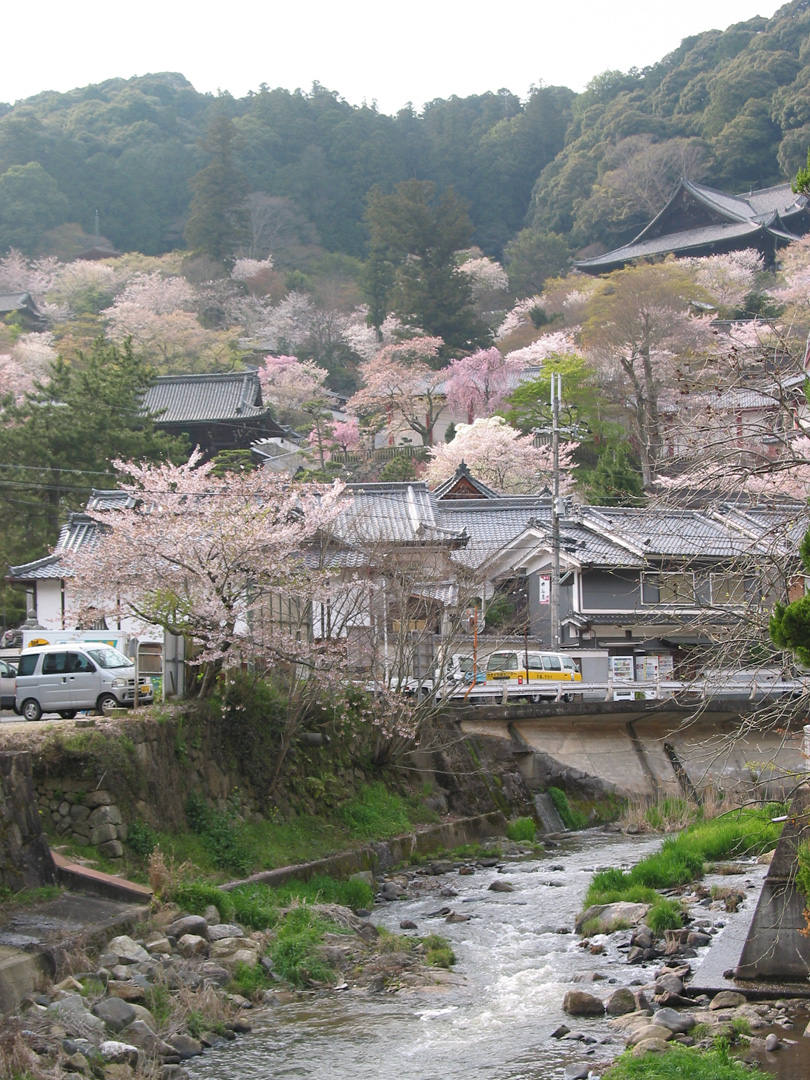
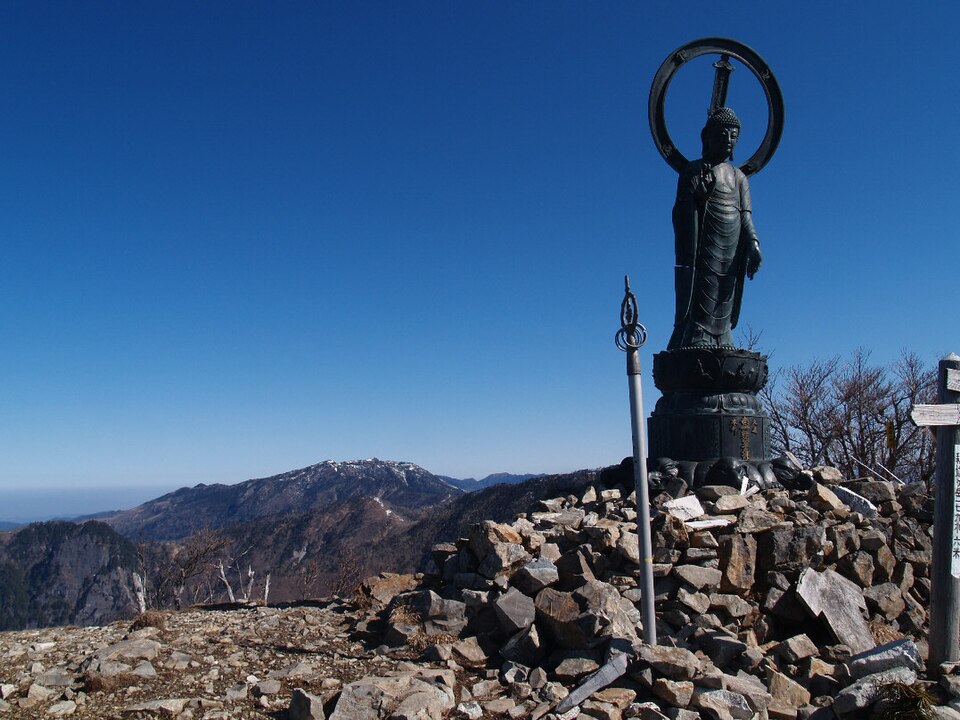
Reference photos of the region related to this entry. They are not photos of the listed facility or product.
 Enlarge ↗
 Enlarge ↗
Instagram posts from Nara (from official accounts)
There are no posts linked to this place yet. Posts from the prefecture's official accounts are shown, rotating every minute.