


Overview
Rough-hewn smiling Buddhas by the wandering monk Mokujiki, rediscovered by Soetsu Yanagi.
About this place
Mokujiki Shōnin (木喰上人, 1718 – 6 July 1810), also recorded as Mokujiki Gogyō Myōman (木喰五行明満), was a Japanese Buddhist monk, itinerant sculptor, calligrapher, painter, and poet of the late Edo period. Beginning in his early sixties, he carved more than a thousand wooden Buddhist statues—each inscribed on the reverse with the date of completion and his religious name—which he left at temples, shrines, and villages across Japan during four decades of nationwide pilgrimage. His mature works are characterized by rounded forms, smiling expressions (bishō-butsu, 微笑仏), and the deliberate retention of chisel marks on unvarnished single-block wood. This late style—most fully developed after age eighty—is regularly contrasted with the vigorous, angular carving of the earlier itinerant monk-sculptor Enkū (1632–1695), with whom Mokujiki is habitually paired in Japanese art scholarship and exhibition. Largely forgotten after his death, his works were rediscovered in the early 1920s by the philosopher and art critic Yanagi Sōetsu, whose research directly inspired the coinage of the term mingei (民藝, "people's craft") in 1925 and the subsequent Mingei movement.
Source: Wikipedia (CC BY-SA 4.0)
Source ja.wikipedia.org ↗Key facts
Founded / opened:1800s Architect / artist:Mokujiki Highlights / collection:Smiling wooden Buddhas Genre:Sculpture, Antique art and Buddhist art
Source ja.wikipedia.org ↗Before you go
Three questions from the World Question Box that relate to this entry.
Contributions
Corrections, first-hand notes, opening hours and translations from visitors and residents, checked before publishing.
Contribute about this place →More in Art & Crafts


Check before you visit · References
The original sources are listed here. Confirm opening hours, whether visits are accepted, fees and access with the latest official information.
Crafts and specialties of this prefecture
Written by Value Village from public sources. Nothing here is reproduced from another site. Languages: ja / en
Photos of Niigata
Reference photos of the region related to this entry. They are not photos of the listed facility or product.
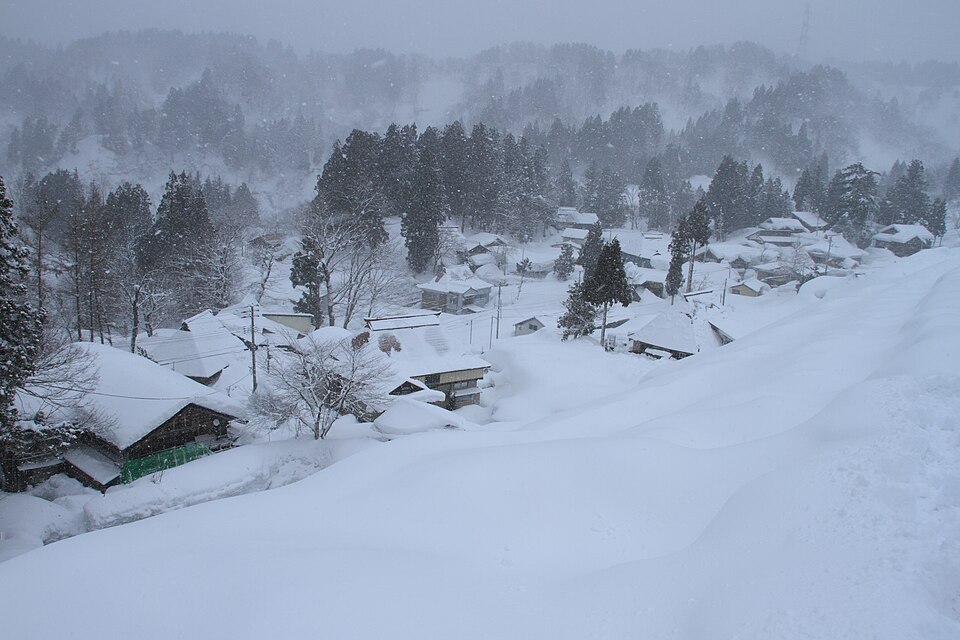 Enlarge ↗
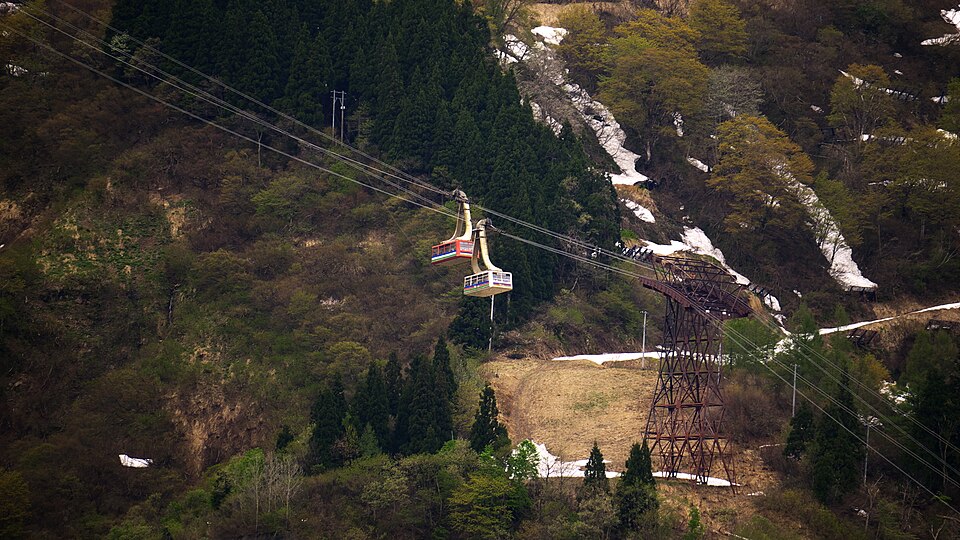 Enlarge ↗
Instagram posts from Niigata (from official accounts)
There are no posts linked to this place yet. Posts from the prefecture's official accounts are shown, rotating every minute.