


Overview
Dye is printed straight onto the warp, so the pattern reads identically on both faces of the cloth.
About this place
Meisen (銘(めい)仙(せん), lit. 'common silk stuff') is a type of silk fabric traditionally produced in Japan; it is durable, hard-faced, and somewhat stiff, with a slight sheen, and slubbiness is deliberately emphasised. Meisen was first produced in the late 19th century, and became widely popular during the 1920s and 30s (late-Taishō to early-Shōwa period), when it was mass-produced and ready-to-wear kimono began to be sold in Japan. Meisen is commonly dyed using kasuri (Japanese ikat) techniques, and features what were then overtly modern, non-traditional designs and colours. Meisen remained popular through to the 1950s. The fibre used for meisen is staple fibre (often silk noil), degummed and sized with soy milk, which increases durability and increases the depth and brilliance of the dye colours. Between 1910 and 1925 (late Taishō to Shōwa period), the ability to spin as well as weave noil by machine (see tsumugi) was developed into mass production. Prices dropped drastically, and silk cloth and clothing was suddenly within the budget of most Japanese (who had previously worn asa, domesticated bast fibre, or cotton; see tanmono).
Source: Wikipedia (CC BY-SA 4.0)
Source ja.wikipedia.org ↗Key facts
Founded / opened:Meiji period Highlights / collection:Hogushi nassen (unravelled-thread printing), Patterns identical on both sides Genre:Textiles and dyeing
Source ja.wikipedia.org ↗Before you go
Three questions from the World Question Box that relate to this entry.
Same place in other collections
More in Art & Crafts


Check before you visit · References
The original sources are listed here. Confirm opening hours, whether visits are accepted, fees and access with the latest official information.
Crafts and specialties of this prefecture
Written by Value Village from public sources. Nothing here is reproduced from another site. Languages: ja / en
Photos of Saitama
Reference photos of the region related to this entry. They are not photos of the listed facility or product.
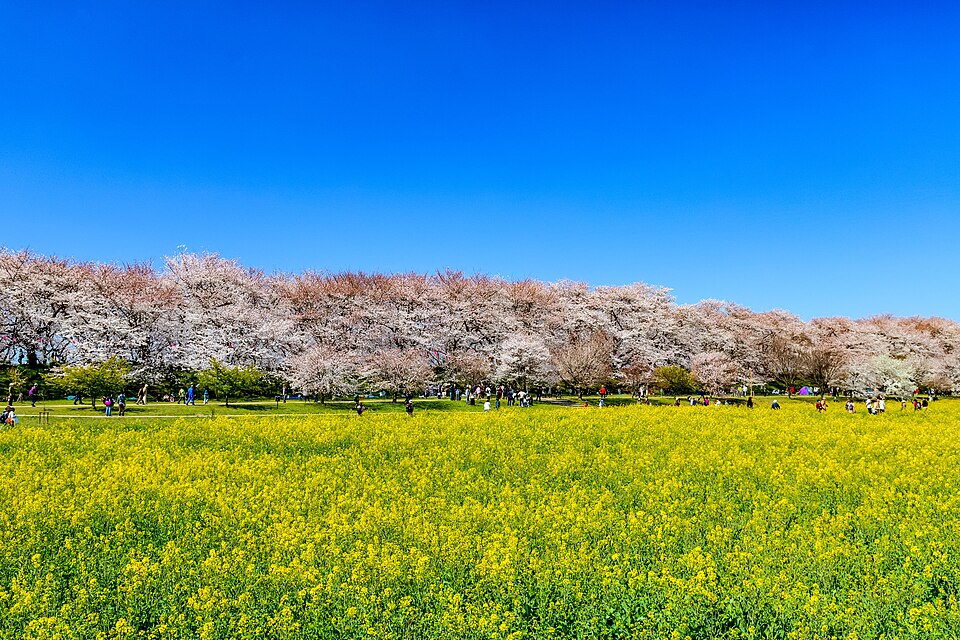 Enlarge ↗
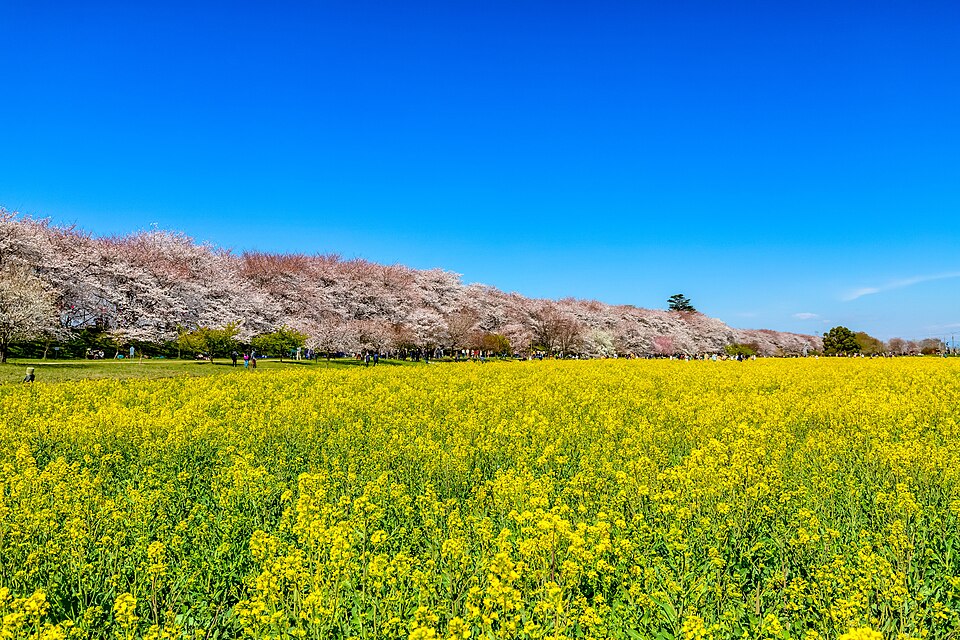 Enlarge ↗
Instagram posts from Saitama (from official accounts)
There are no posts linked to this place yet. Posts from the prefecture's official accounts are shown, rotating every minute.