


Overview
Said to have produced a third of the world's silver in the 1500s, and inscribed as World Heritage for mining without stripping the forest.
About this place
The Iwami Ginzan (石見銀山) was an underground silver mine in the city of Ōda, in Shimane Prefecture on the main island of Honshu, Japan. It was the largest silver mine in Japanese history. It was active for almost four hundred years, from its discovery in 1526 to its closing in 1923. The mines, mining structures, and surrounding cultural landscape — listed as the "Iwami Ginzan Silver Mine and its Cultural Landscape" — became a UNESCO World Heritage Site in 2007.
Source: Wikipedia (CC BY-SA 4.0)
Source ja.wikipedia.org ↗Key facts
Founded / opened:1526 Highlights / collection:600 mabu (mine tunnels), Ryugenji Mabu Genre:Architecture, Metalwork, Outdoor art and land art
Source ja.wikipedia.org ↗Before you go
Three questions from the World Question Box that relate to this entry.
More in Architecture


Check before you visit · References
The original sources are listed here. Confirm opening hours, whether visits are accepted, fees and access with the latest official information.
Crafts and specialties of this prefecture
Written by Value Village from public sources. Nothing here is reproduced from another site. Languages: ja / en
Photos of Shimane
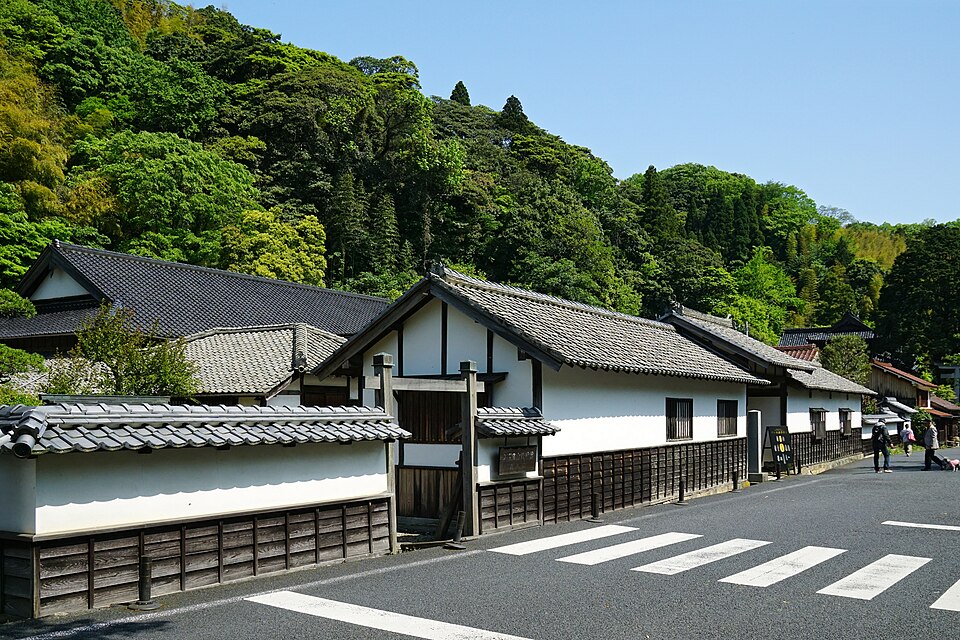
Reference photos of the region related to this entry. They are not photos of the listed facility or product.
 Enlarge ↗
Instagram posts from Shimane (from official accounts)
There are no posts linked to this place yet. Posts from the prefecture's official accounts are shown, rotating every minute.