
Overview
A greenish schist that splits into flat slabs, shipped nationwide for gardens and stone monuments.
About this place
Greenschists are metamorphic rocks that formed under the lowest temperatures and pressures usually produced by regional metamorphism, typically 300–450 °C (570–840 °F) and 2–10 kilobars (29,000–145,000 psi). Greenschists commonly have an abundance of green minerals such as chlorite, serpentine, and epidote, and platy minerals such as muscovite and platy serpentine. The platiness gives the rock schistosity (a tendency to split into layers). Other common minerals include quartz, orthoclase, talc, carbonate minerals and amphibole (actinolite). Greenschist is a general field petrologic term for metamorphic or altered mafic volcanic rock. In Europe, the term prasinite is sometimes used. A greenstone is sometimes a greenschist but can also be rock types without any schistosity, especially metabasalt (spilite). However, basalts may remain quite black if primary pyroxene does not revert to chlorite or actinolite. To qualify for the name, a rock must also exhibit schistosity or some foliation or layering. The rock is derived from basalt, gabbro or similar rocks containing sodium-rich plagioclase feldspar, chlorite, epidote and quartz.
Source: Wikipedia (CC BY-SA 4.0)
Source ja.wikipedia.org ↗Key facts
Founded / opened:Medieval period Highlights / collection:Green schist, Garden stones and stone pagodas Genre:Sculpture, Architecture
Source ja.wikipedia.org ↗Before you go
Three questions from the World Question Box that relate to this entry.
More in Art & Crafts


Check before you visit · References
The original sources are listed here. Confirm opening hours, whether visits are accepted, fees and access with the latest official information.
Crafts and specialties of this prefecture
Written by Value Village from public sources. Nothing here is reproduced from another site. Languages: ja / en
Photos of Tokushima
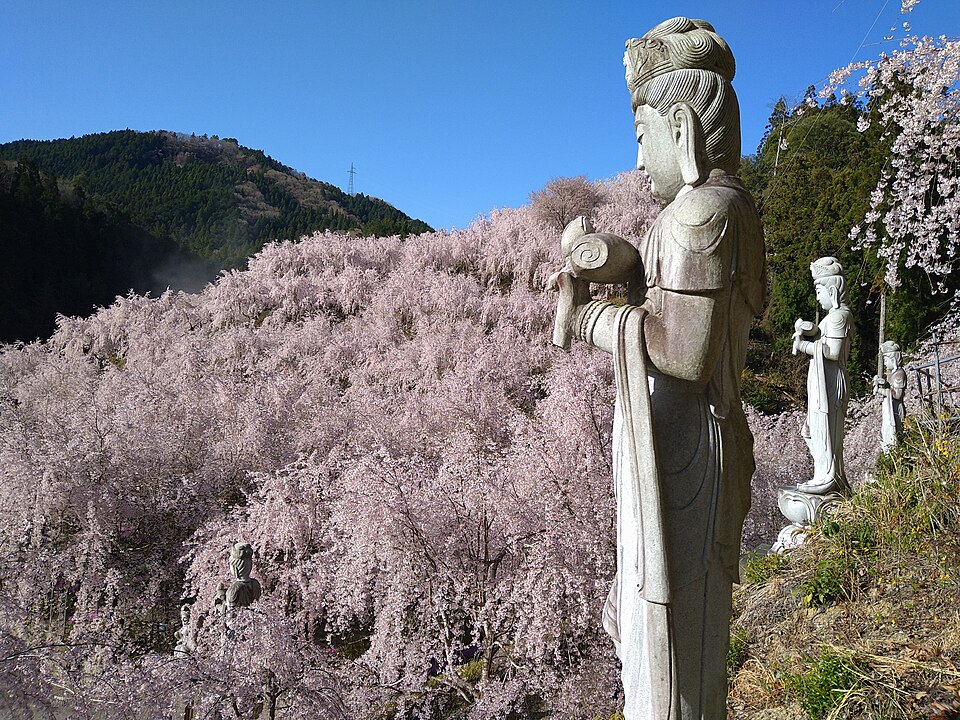
Reference photos of the region related to this entry. They are not photos of the listed facility or product.
 Enlarge ↗
Instagram posts from Tokushima (from official accounts)
There are no posts linked to this place yet. Posts from the prefecture's official accounts are shown, rotating every minute.