


Overview
Eighty-eight temples over 1,400 kilometres, with stone markers turning the distance itself into structure.
About this place
The Shikoku Pilgrimage (四国遍路, Shikoku Henro) or Shikoku Junrei (四国巡礼) is a multi-site pilgrimage of 88 temples associated with the Buddhist monk Kūkai (Kōbō Daishi) on the island of Shikoku, Japan. A popular and distinctive feature of the island's cultural landscape, and with a long history, large numbers of pilgrims, known as henro (遍路), still undertake the journey for a variety of ascetic, pious, and tourism-related purposes. The pilgrimage is traditionally completed on foot, but modern pilgrims use cars, taxis, buses, bicycles, or motorcycles, and often augment their travels with public transportation. The standard walking course is approximately 1,200 kilometres (750 mi) long and can take anywhere from 30 to 60 days to complete. In addition to the 88 "official" temples of the pilgrimage, there are 20 bekkaku (別格) temples, which are officially associated with the Shikoku Pilgrimage (and hundreds more bangai (番外) temples, simply meaning "outside the numbers", which are not considered part of the official 88). To complete the pilgrimage, it is not necessary to visit the temples in order; in some cases, pilgrims complete the journey in reverse, a practice known as gyaku-uchi (逆うち). Henro (遍路) is the Japanese word for pilgrim, and the locals along the route address the pilgrims as o-henro-san (お遍路さん). They are often recognizable by their white clothing, sedge hats, and kongō-zue or walking sticks. Alms or osettai (お接待) are frequently given to pilgrims by Shikoku's residents. B
Source: Wikipedia (CC BY-SA 4.0)
Source ja.wikipedia.org ↗Key facts
Founded / opened:9th century Highlights / collection:1,400-kilometre pilgrimage route, Signposts and chome-ishi markers Genre:Architecture, Sculpture
Source ja.wikipedia.org ↗Official website
Check the official website for current opening hours, fees and closing days.
Source 88shikokuhenro.jp ↗Before you go
Three questions from the World Question Box that relate to this entry.
Contributions
Corrections, first-hand notes, opening hours and translations from visitors and residents, checked before publishing.
Contribute about this place →More in Architecture


Check before you visit · References
The original sources are listed here. Confirm opening hours, whether visits are accepted, fees and access with the latest official information.
Crafts and specialties of this prefecture
Written by Value Village from public sources. Nothing here is reproduced from another site. Languages: ja / en
Photos of Tokushima
Reference photos of the region related to this entry. They are not photos of the listed facility or product.
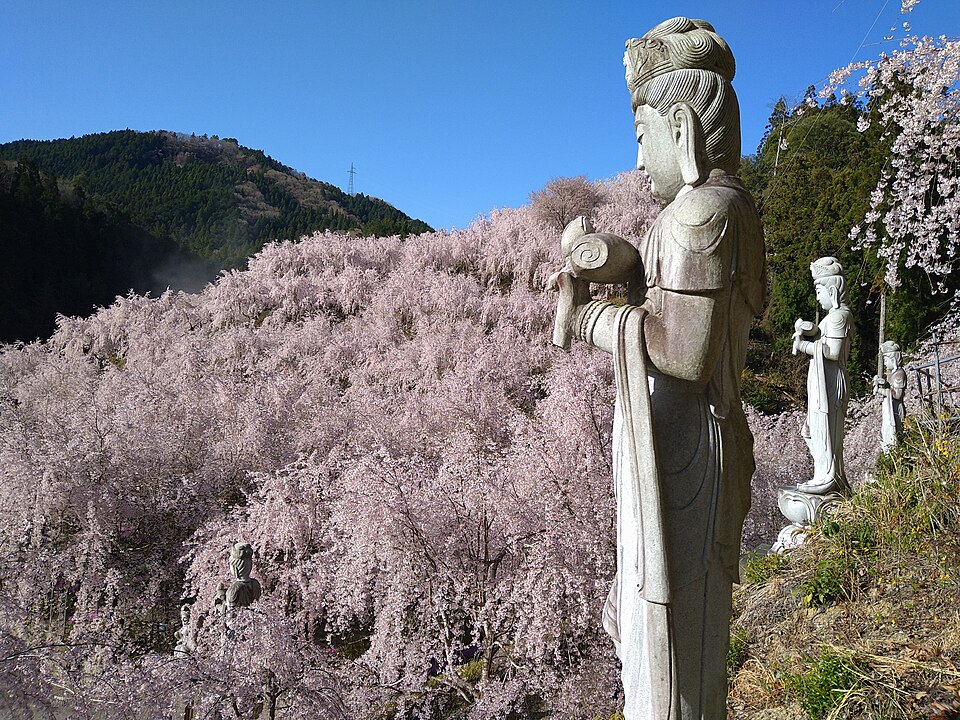 Enlarge ↗
Instagram posts from Tokushima (from official accounts)
There are no posts linked to this place yet. Posts from the prefecture's official accounts are shown, rotating every minute.