


,_Bestanddeelnr_909-3295.jpg)


Overview
Over a hundred lion dances survive in one city, each hamlet's carved head differing enough to trace its lineage.
About this place
Lion dance (traditional Chinese: 舞獅; simplified Chinese: 舞狮; pinyin: wǔshī) is a form of traditional dance in Chinese culture and other Asian countries in which performers mimic a lion's movements in a lion costume to bring good luck and fortune and to ward off evil. The lion dance is usually performed during the Lunar New Year and other traditional, cultural and religious festivals. It may also be performed at important occasions such as business opening events, special celebrations or wedding ceremonies, or may be used to honor special guests by the Chinese communities. The Chinese lion dance is normally performed by two dancers, one of whom manipulates the head while the other manipulates the tail of the lion. It is distinguishable from the dragon dance which is performed by many people who hold the long sinuous body of the dragon on poles. Some fundamental movements of the lion dance can be found in Chinese martial arts, and it is commonly performed to a vigorous drumbeat with gongs and cymbals. There are many forms of lion dance in China, but two main forms of the lion dance are the Northern Lion and the Southern Lion. Around the world, especially in Southeast Asia, the Southern Lion predominates as it was spread by Chinese diaspora communities who are historically mostly of Southern Chinese origin. Versions of lion dance related to the Chinese lion are also found in Japan, South Korea, Taiwan, and Vietnam. Besides the Chinese-based lion dance, other forms of lion dance
Source: Wikipedia (CC BY-SA 4.0)
Source ja.wikipedia.org ↗Key facts
Founded / opened:Edo period Highlights / collection:Lion heads from each village, Tengu masks Genre:Sculpture, Mingei (folk crafts)
Source ja.wikipedia.org ↗Before you go
Three questions from the World Question Box that relate to this entry.
Contributions
Corrections, first-hand notes, opening hours and translations from visitors and residents, checked before publishing.
Contribute about this place →More in Art & Crafts


Check before you visit · References
The original sources are listed here. Confirm opening hours, whether visits are accepted, fees and access with the latest official information.
Crafts and specialties of this prefecture
Written by Value Village from public sources. Nothing here is reproduced from another site. Languages: ja / en
Photos of Toyama
Reference photos of the region related to this entry. They are not photos of the listed facility or product.
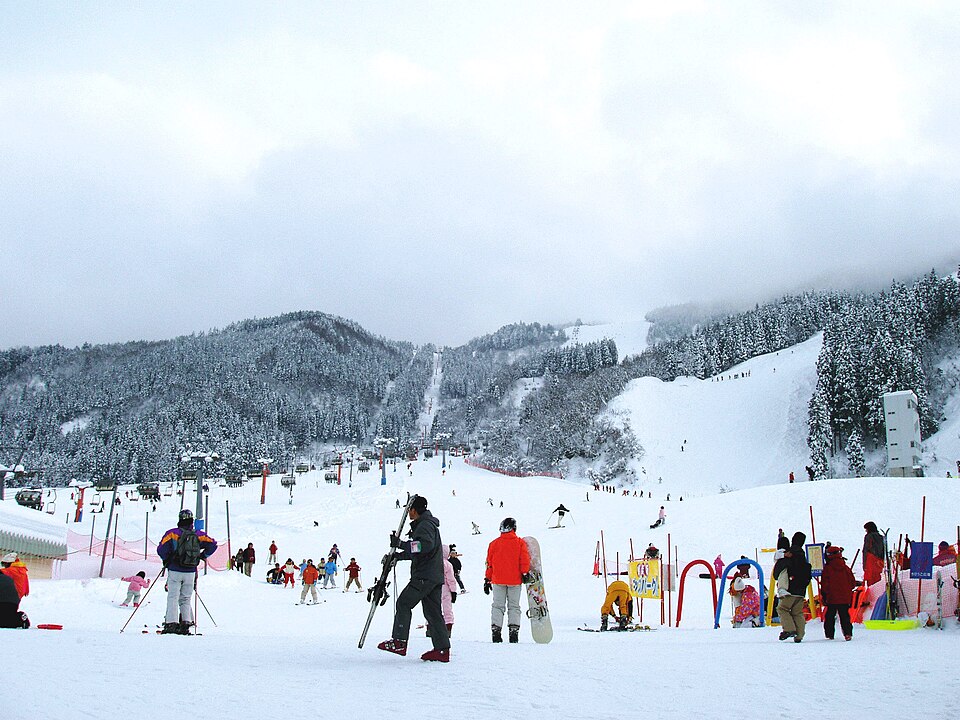 Enlarge ↗
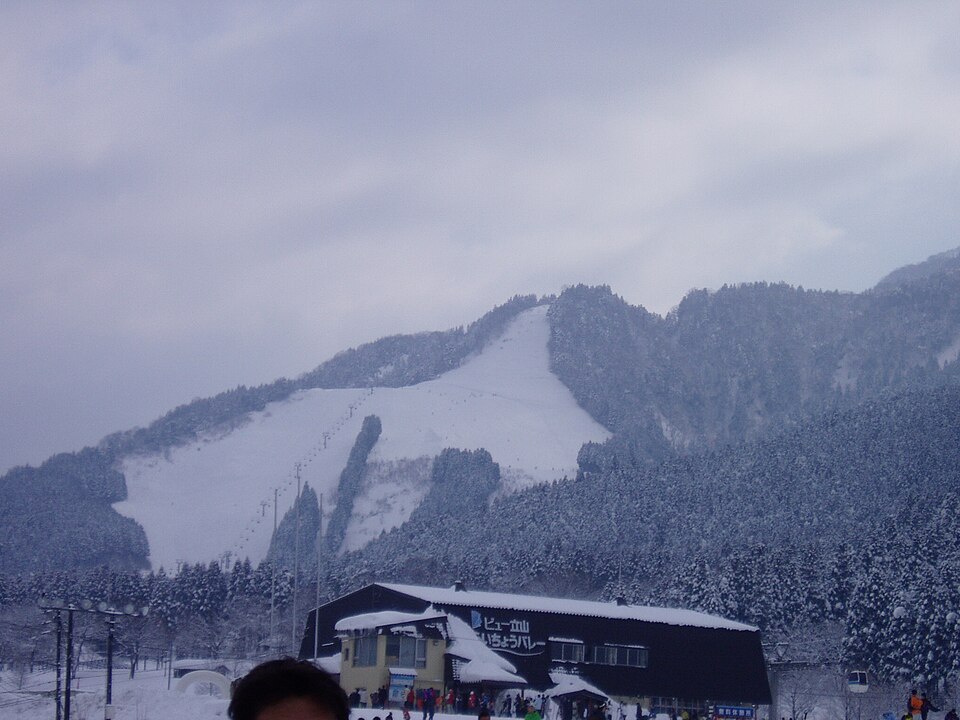 Enlarge ↗
Instagram posts from Toyama (from official accounts)
There are no posts linked to this place yet. Posts from the prefecture's official accounts are shown, rotating every minute.