
Overview
Fired above a thousand degrees until it rings like metal when struck; every maker draws the kiln differently.
About this place
Binchō-tan (Japanese: 備長炭, [biɲtɕoꜜːtaɴ]), also called white charcoal or binchō-zumi, is a type of high-quality charcoal traditionally used in Japanese cooking. Its use dates back to the Edo period when during the Genroku era, a craftsman named Bichū-ya Chōzaemon (備中屋 長左衛門) began to produce it in Tanabe, Wakayama. The typical raw material used to make binchō-tan in Japan is oak, specifically ubame oak, now the official tree of Wakayama Prefecture. Wakayama continues to be a major producer of high-quality charcoal, with the town of Minabe, Wakayama, producing more binchō-tan than any other town in Japan. Binchō-tan produced in Wakayama is referred to as Kishū binchō-tan (紀州備長炭), Kishū being the old name of Wakayama. White charcoal is made by pyrolyzing wood in a kiln at approximately 240 °C (464 °F) for 120 hours, then raising the temperature to around 1,000 °C (1,830 °F). Once carbonized, the material is taken out and covered to cure in a damp mixture of earth, sand, and ash. Binchō-tan is a type of hardwood charcoal which takes the natural shape of the wood that was used to make it. It is also harder than black charcoal, ringing with a metallic sound when struck. Due to its physical structure, binchō-tan takes on a whiter or even metallic appearance. Apart from being used for cooking, it has other benefits, such as absorption of odors.
Source: Wikipedia (CC BY-SA 4.0)
Source ja.wikipedia.org ↗Key facts
Founded / opened:1600s Highlights / collection:White charcoal from burned ubame oak, Rings like metal when struck Genre:Crafts and ceramics
Source ja.wikipedia.org ↗Before you go
Three questions from the World Question Box that relate to this entry.
Same place in other collections
More in Art & Crafts


Check before you visit · References
The original sources are listed here. Confirm opening hours, whether visits are accepted, fees and access with the latest official information.
Crafts and specialties of this prefecture
Written by Value Village from public sources. Nothing here is reproduced from another site. Languages: ja / en
Photos of Wakayama
Reference photos of the region related to this entry. They are not photos of the listed facility or product.
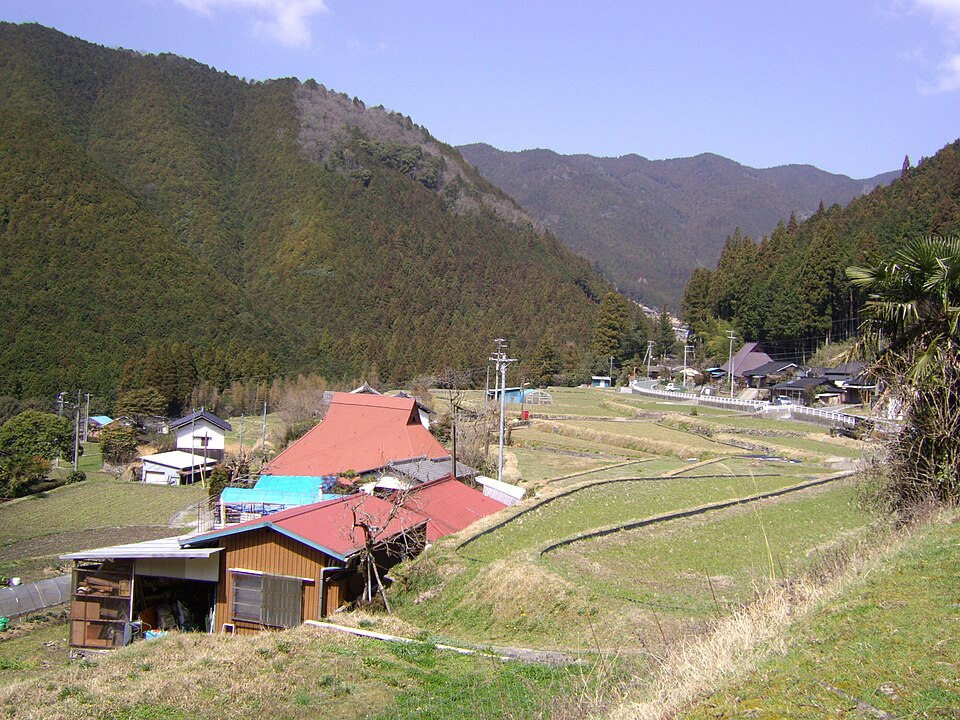 Enlarge ↗
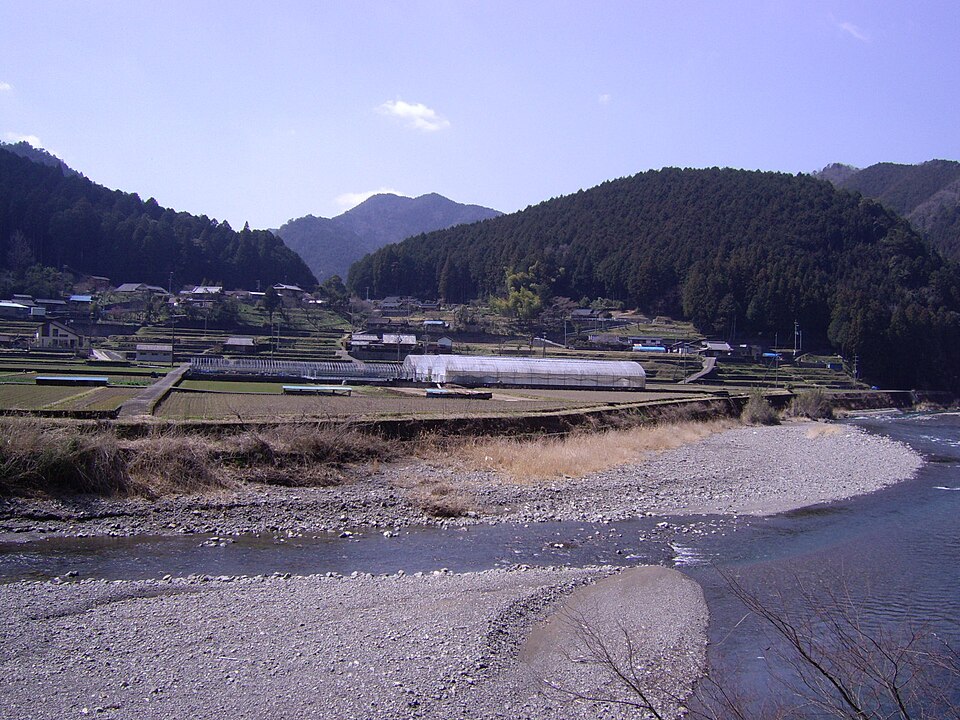 Enlarge ↗
Instagram posts from Wakayama (from official accounts)
There are no posts linked to this place yet. Posts from the prefecture's official accounts are shown, rotating every minute.