
_Temple_hdsr_S5_xw04.jpg)
_Temple_hdsr_S5_xw08.jpg)
_Temple_hdsr_S5_xw09.jpg)
_Temple_hdsr_S5_xw10.jpg)
_Temple_hdsr_S5_xw12.jpg)
_Temple_hdsr_S5_xw19.jpg)
_Temple_hdsr_S5_xw20.jpg)
_Temple_hdsr_S5_xw21.jpg)
Overview
Halls stepped up a slope above the bay, now housing one of the largest wooden standing Kannon in Japan.
About this place
Kimii-dera (紀三井寺) is a Buddhist temple located in the city of Wakayama, Wakayama Prefecture, Japan. It is the head temple of the Kusei Kannon sect of Japanese Buddhism and its honzon is a hibutsu image of Jūichimen Kannon. The temple's full name is Kimiiyama Gokoku-in Kongōhō-ji (紀三井山 金剛寶寺 護國院).The temple is the 2nd stop on the Saigoku Kannon Pilgrimage route. The temple grounds are located on the western slope (approximately 50 meters above sea level) of Mount Nakusa (228.7 meters) in the southern part of the Kinokawa River estuary plain, offering a panoramic view of Wakaura Bay from the temple grounds. The temple is named after the three springs of water (Kisshō-sui, Seijō-sui, and Yōryū-sui) that spring up within the temple grounds. Each spring has a sandstone tank inscribed with the name of the water, along with the date of 1650. These tanks were built by order of Tokugawa Yorinobu, the daimyō of Wakayama Domain. In March 1985 the Ministry of the Environment selected the water as one of Japan's "100 Famous Waters." The temple grounds are also famous for cherry blossom viewing, and have been selected as one of Japan's 100 Best Cherry Blossom Viewing Spots. The sakura tree to the left of the main hall is designated as the specimen Somei-Yoshino cherry tree by the Wakayama Regional Meteorological Observatory for determining the start of spring. The temple originally belonged to the Yamashina branch of Shingon Buddhism, but in 1951 it became independent.
Source: Wikipedia (CC BY-SA 4.0)
Source ja.wikipedia.org ↗Key facts
Founded / opened:770 Highlights / collection:Important Cultural Property Tahoto pagoda, 231 stone steps Genre:Architecture, Sculpture
Source ja.wikipedia.org ↗Official website
Check the official website for current opening hours, fees and closing days.
Source kimiidera.com ↗Before you go
Three questions from the World Question Box that relate to this entry.
Same place in other collections

More in Architecture


Check before you visit · References
The original sources are listed here. Confirm opening hours, whether visits are accepted, fees and access with the latest official information.
Crafts and specialties of this prefecture
Written by Value Village from public sources. Nothing here is reproduced from another site. Languages: ja / en
Photos of Wakayama
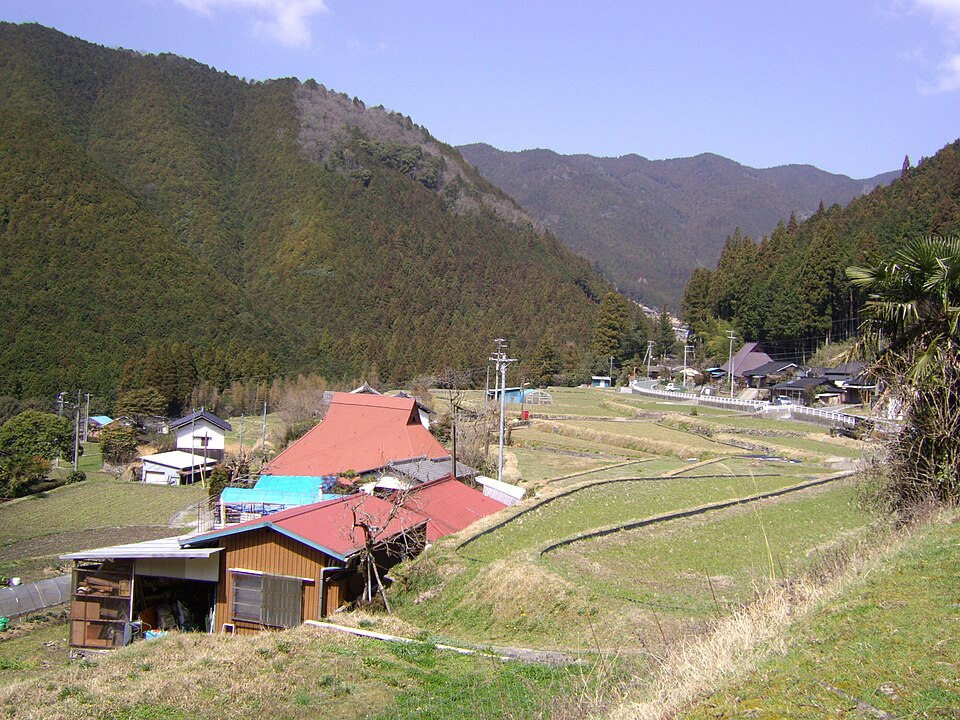
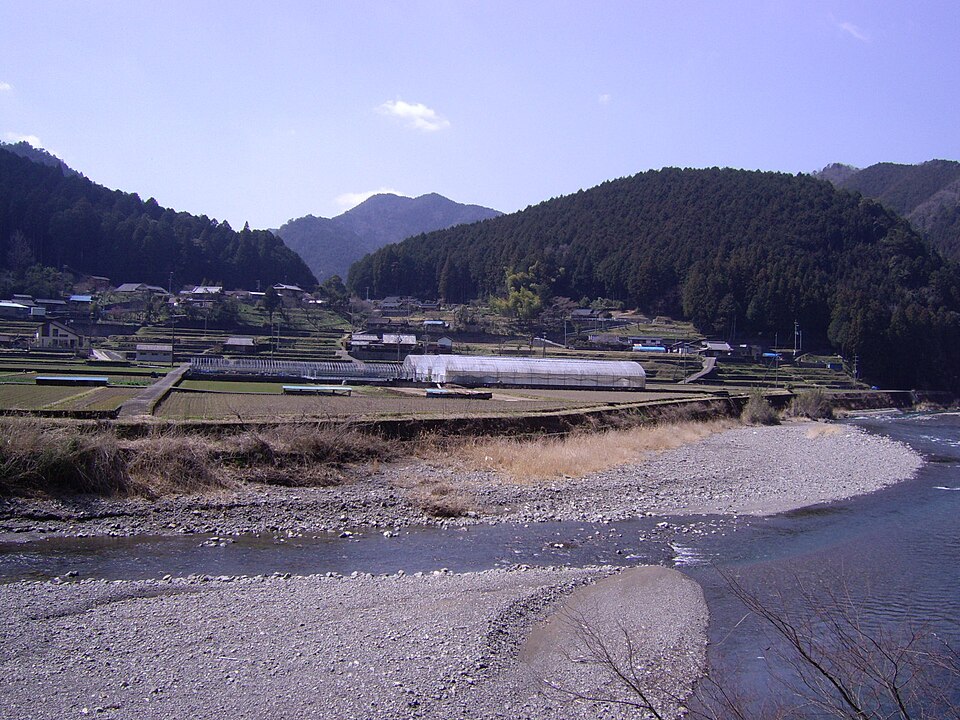
Reference photos of the region related to this entry. They are not photos of the listed facility or product.
 Enlarge ↗
 Enlarge ↗
Instagram posts from Wakayama (from official accounts)
There are no posts linked to this place yet. Posts from the prefecture's official accounts are shown, rotating every minute.