
 — · CC BY-SA 2.0
.JPG)


Overview
A pilgrim road walked by emperors and peasants alike, its ninety-nine wayside shrines turning distance into devotion.
About this place
The Kumano Kodō (熊野古道) is a series of ancient pilgrimage routes that crisscross the Kii Peninsula, the largest peninsula of Japan. These mountainous trails are used by pilgrims to the "Kumano Sanzan" (熊野三山) - the Three Grand Shrines of Kumano: Kumano Hongū Taisha (熊野本宮大社), Kumano Nachi Taisha (熊野那智大社) and Kumano Hayatama Taisha (熊野速玉大社). These three shrines are the holiest sites of the ancient syncretic Kumano religion. It has been visited by pilgrims seeking healing and salvation as a site of religious significance for over a thousand years. People with backgrounds from peasants to emperors would visit the region while guided by Shugendō monks. In July 2004, some of the roads of the Kumano Kodō and the shrines of the Kumano Sanzan, along with Koyasan and Yoshino and Ōmine, were registered as World Heritage sites together as the "Sacred Sites and Pilgrimage Routes in the Kii Mountain Range".
Source: Wikipedia (CC BY-SA 4.0)
Source ja.wikipedia.org ↗Key facts
Founded / opened:Heian period Highlights / collection:Stone-paved mountain pass, Site of an Oji shrine Genre:Architecture, Outdoor art and land art
Source ja.wikipedia.org ↗Before you go
Three questions from the World Question Box that relate to this entry.
Same place in other collections

More in Architecture


Check before you visit · References
The original sources are listed here. Confirm opening hours, whether visits are accepted, fees and access with the latest official information.
Crafts and specialties of this prefecture
Written by Value Village from public sources. Nothing here is reproduced from another site. Languages: ja / en
Photos of Wakayama
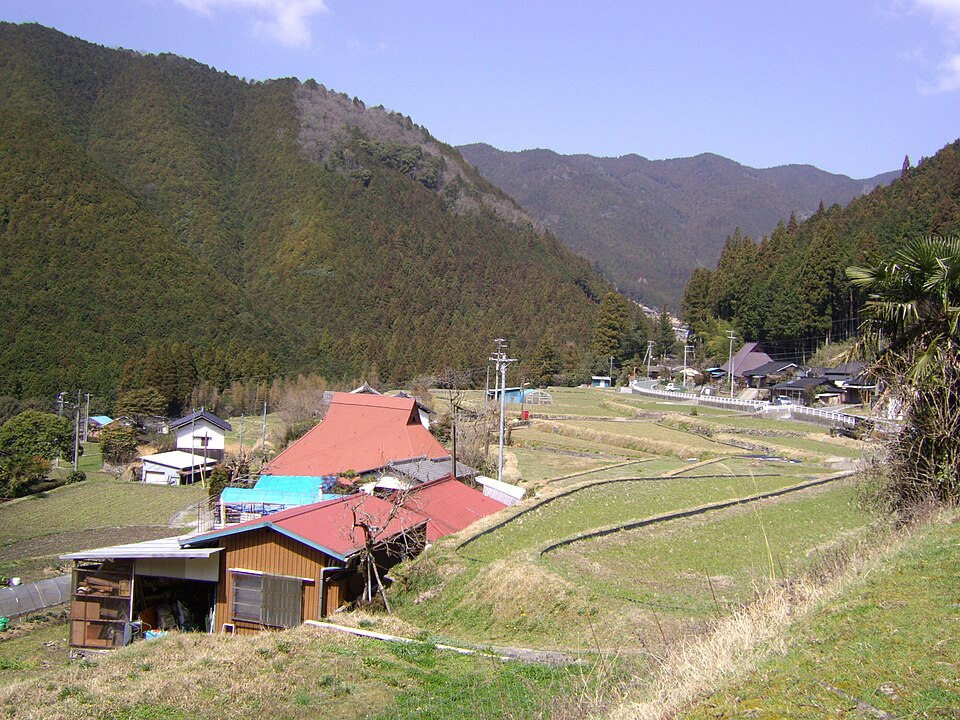
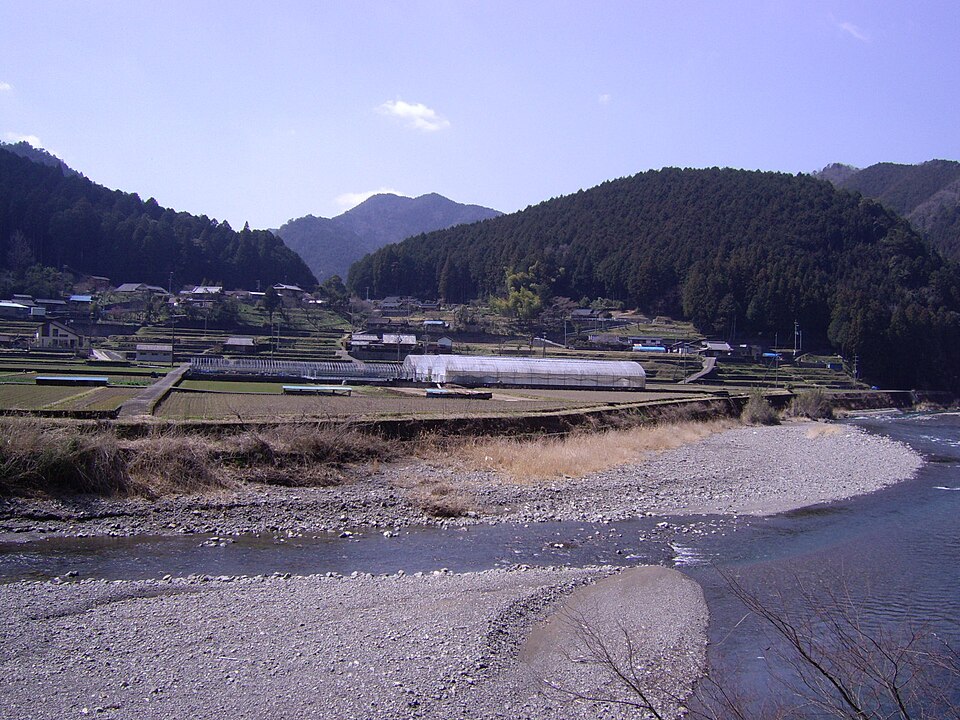
Reference photos of the region related to this entry. They are not photos of the listed facility or product.
 Enlarge ↗
 Enlarge ↗
Instagram posts from Wakayama (from official accounts)
There are no posts linked to this place yet. Posts from the prefecture's official accounts are shown, rotating every minute.