


_-_panoramio.jpg)
.jpg)
.jpg)
.jpg)
Overview
A vermilion pagoda and a 133-metre waterfall in one frame - the fused Shinto-Buddhist landscape left intact.
About this place
Kumano Nachi Taisha (熊野那智大社) is a Shinto shrine and part of the UNESCO-designated World Heritage Sacred Sites and Pilgrimage Routes in the Kii Mountain Range of Japan. The Kumano Kodō route connects it to other sites under the same classification, which are primarily located in Wakayama Prefecture, Japan. The four sites on the route, classified as pilgrimage destinations and World Heritage Sites, are: 1) Nachi Taisha; 2) Hongū Taisha; 3) Hayatama Taisha; 4) Koya-san. Kumano Nachi Taisha is also one of the three sacred Kumano Sanzan shrines: Kumano Nachi Taisha Kumano Hongū Taisha Kumano Hayatama Taisha This classification is based mostly in Japanese history, as pilgrims would travel to all three sites to complete their pilgrimage. Kumano Nachi Taisha is an example of Buddhist and Shinto syncretism (Shinbutsu shūgō) nestled in the Kii Mountains, near Kii Katsuura, Japan. Cedar forests surround the site. The 133-meter Nachi Waterfall, worshiped at the Hiryū Shrine near Kumano Nachi Taisha, is believed to be inhabited by a kami called Hiryū Gongen. Also, there is a sacred tree at this site, the Sacred Camphor Tree, located between the Nachi Shrine (heiden) and Seigantoji temple. It is 850 years old and is said to have been planted by Taira-no-Shigemori (1138–1179). The straw rope (shimenawa) and paper flags show that this tree has been sanctified as a kami. The tree is alive with moss and ferns and other small plants growing on its ancient limbs. It is possible to enter the b
Source: Wikipedia (CC BY-SA 4.0)
Source ja.wikipedia.org ↗Key facts
Founded / opened:Ancient times Highlights / collection:Important Cultural Property three-storey pagoda, Composition with Nachi Falls behind Genre:Architecture, Outdoor art and land art
Source ja.wikipedia.org ↗Official website
Check the official website for current opening hours, fees and closing days.
Source kumanonachitaisha.or.jp ↗Before you go
Three questions from the World Question Box that relate to this entry.
More in Architecture


Check before you visit · References
The original sources are listed here. Confirm opening hours, whether visits are accepted, fees and access with the latest official information.
Crafts and specialties of this prefecture
Written by Value Village from public sources. Nothing here is reproduced from another site. Languages: ja / en
Photos of Wakayama
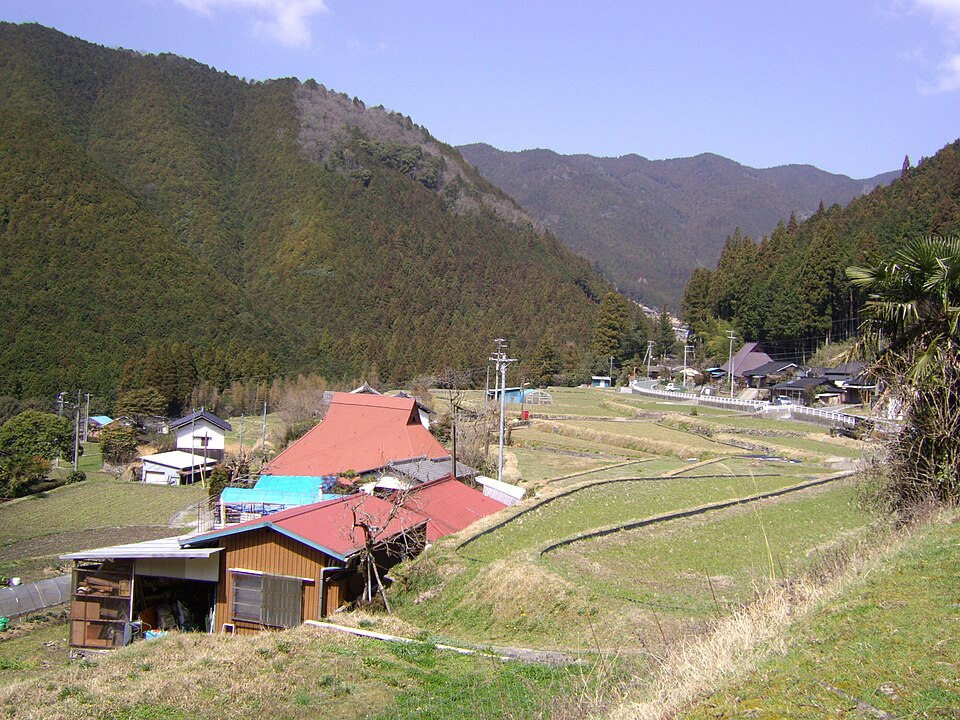
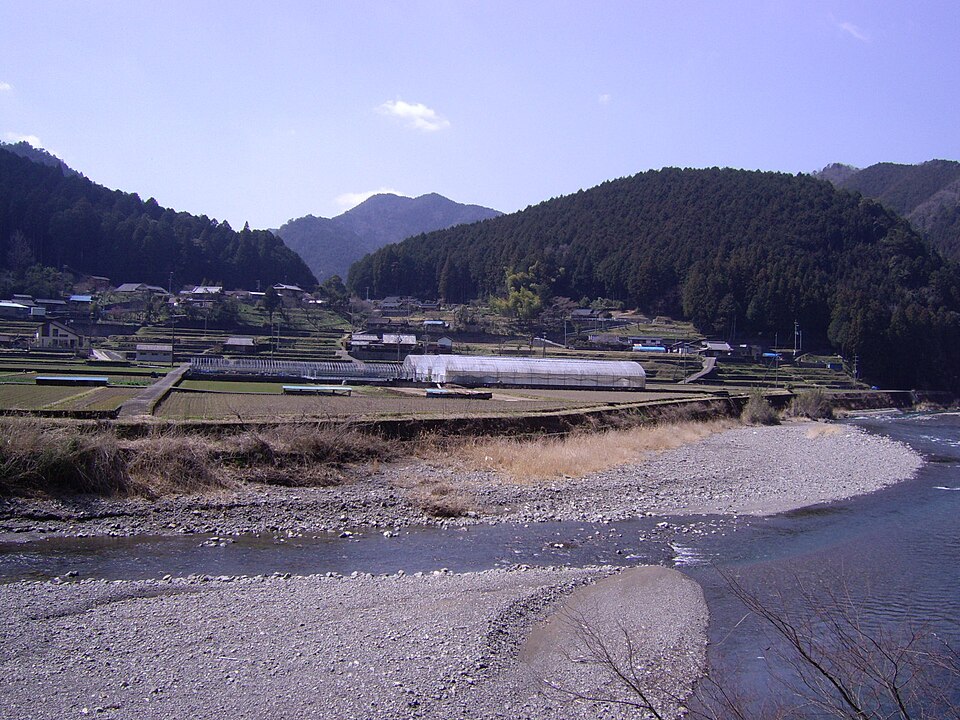
Reference photos of the region related to this entry. They are not photos of the listed facility or product.
 Enlarge ↗
 Enlarge ↗
Instagram posts from Wakayama (from official accounts)
There are no posts linked to this place yet. Posts from the prefecture's official accounts are shown, rotating every minute.