


.jpg)


Overview
No building: the waterfall itself is the deity, Japan's highest single drop, roped at the lip.
About this place
Nachi Falls (那智滝, Nachi no Taki) in Nachikatsuura, Wakayama Prefecture, Japan, is one of the best-known waterfalls in Japan. With a drop of 133 metres (436 ft) and 13 metres (43 ft) wide, it is the tallest waterfall with a single uninterrupted drop in Japan (although Japan also disputes Russia's right to Iturup Island, which has the 141 m (463 ft) high Ilya Muromets Waterfall); however, the tallest Japanese waterfalls with multiple drops are Hannoki Falls, at 497 m (1,631 ft) (seasonal), and Shōmyō Falls, at 350 m (1,150 ft) (year round). There are two rocks at the top of the falls that are the guardian kami of the falls and the Shinto shrine. There was also a Buddhist temple here that was destroyed during the Meiji Restoration (late 19th century). Many shugenja and star-crossed lovers have leaped from the top of the waterfall in the belief that they will be reborn into Kannon's paradise. Early each morning, the Shinto priest makes offerings to the waterfall in a ritual. In 1918, a Sutra mound was excavated at the base of the waterfall and found to contain many important archaeological artifacts, including statues, mirrors, altar fittings and Sutra cylinders. These are now displayed in the Ryuhoden (“Treasure Hall”), located next to the Sanjūdō Pagoda (the 3-story pagoda). These Sutra mounds were created by priests in times of war to hide their treasures but also many items were buried in this way as a result of the belief that the end of the world was coming at the start of
Source: Wikipedia (CC BY-SA 4.0)
Source ja.wikipedia.org ↗Key facts
Founded / opened:Ancient times Highlights / collection:133-metre drop, The waterfall itself is the object of worship Genre:Outdoor art and land art
Source ja.wikipedia.org ↗Official website
Check the official website for current opening hours, fees and closing days.
Source kumanonachitaisha.or.jp ↗Before you go
Three questions from the World Question Box that relate to this entry.
Same place in other collections
 WakayamaShrines & Temples
Nachi no Taki
Nachi Falls
More in Contemporary Art


Check before you visit · References
The original sources are listed here. Confirm opening hours, whether visits are accepted, fees and access with the latest official information.
Crafts and specialties of this prefecture
Written by Value Village from public sources. Nothing here is reproduced from another site. Languages: ja / en
Photos of Wakayama
Reference photos of the region related to this entry. They are not photos of the listed facility or product.
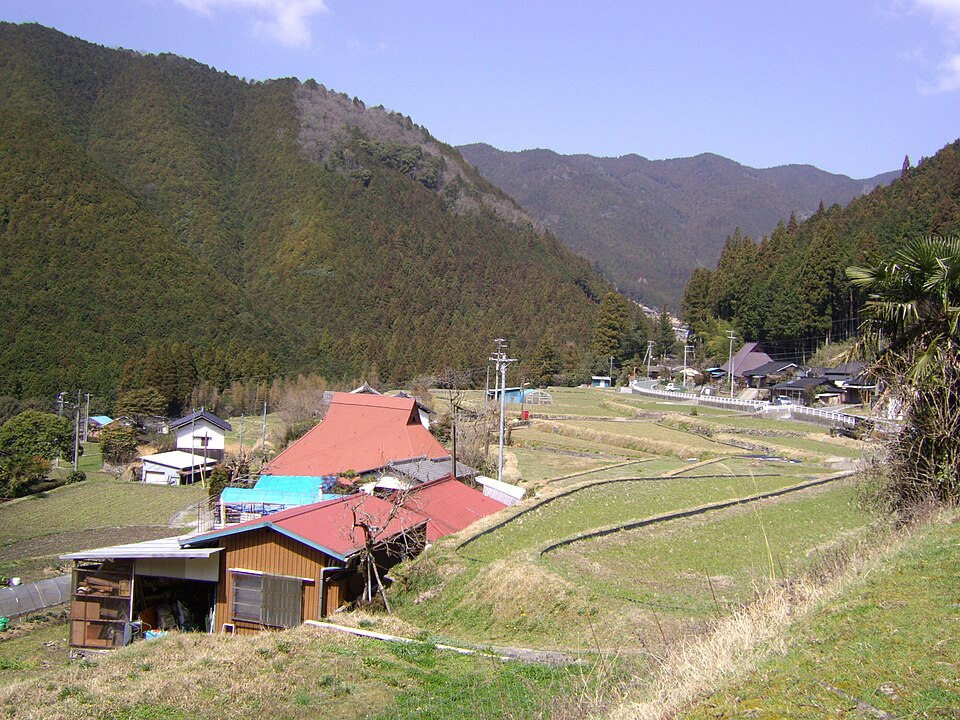 Enlarge ↗
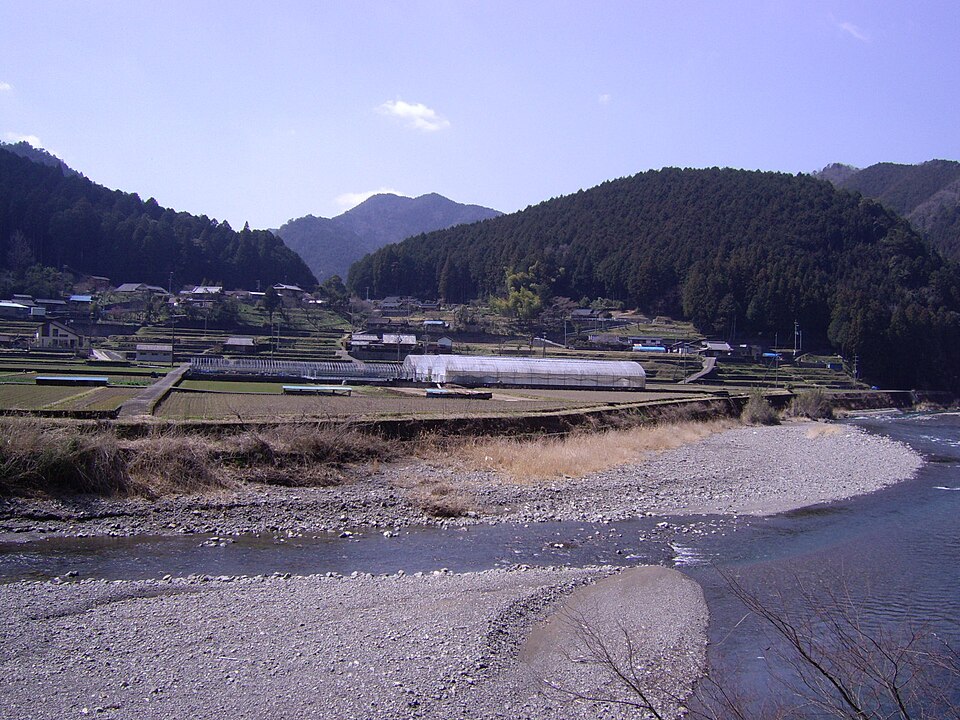 Enlarge ↗
Instagram posts from Wakayama (from official accounts)
There are no posts linked to this place yet. Posts from the prefecture's official accounts are shown, rotating every minute.