


Overview
Trainee monks enter by this gate and do not pass out again until their training is done.
About this place
Eihei-ji (永平寺) is one of two main temples of the Sōtō school of Zen Buddhism, the largest single religious denomination in Japan (by number of temples in a single legal entity). The other is Sōji-ji in Yokohama. Eihei-ji is located about 15 km (9 mi) east of Fukui in Fukui Prefecture, Japan. In English, its name means "temple of eternal peace" (in Japanese, 'ei' means "eternal", 'hei' means "peaceful", and 'ji' means "Buddhist temple"). Its founder was Eihei Dōgen, who brought Sōtō Zen from China to Japan during the 13th century. The ashes of Dōgen and a memorial to him are in the Jōyōden (the Founder's Hall) at Eihei-ji. William Bodiford of UCLA writes that, "The rural monastery Eiheiji in particular aggrandized Dōgen to bolster its own authority vis-à-vis its institutional rivals within the Sōtō denomination." Eihei-ji is a training monastery with more than two hundred monks and nuns in residence. As of 2003, Eihei-ji had 800,000 visitors per year, less than half the number of tourists who came ten years before. Visitors with Zen experience may participate after making prior arrangements, and all visitors are treated as religious trainees. In keeping with Zen's Mahayana tradition, the iconography in various buildings is an array of potential confusion for newcomers: at the Sanmon are four kings standing guard named Shitenno; the Buddha hall's main altar has three statues of Buddhas past, present and future; the Hatto displays Kannon the bodhisattva of compassion, and four w
Source: Wikipedia (CC BY-SA 4.0)
Source ja.wikipedia.org ↗Key facts
Founded:1749 Designation:Important Cultural Property Blessings:Warding off evil
Source ja.wikipedia.org ↗Official website
Check the official website for current opening hours, fees and closing days.
Source daihonzan-eiheiji.com ↗Before you go
Three questions from the World Question Box that relate to this entry.
More in Shrines & Temples


Check before you visit · References
The original sources are listed here. Confirm opening hours, whether visits are accepted, fees and access with the latest official information.
Crafts and specialties of this prefecture
Written by Value Village from public sources. Nothing here is reproduced from another site. Languages: ja / en / zh
Photos of Fukui
Reference photos of the region related to this entry. They are not photos of the listed facility or product.
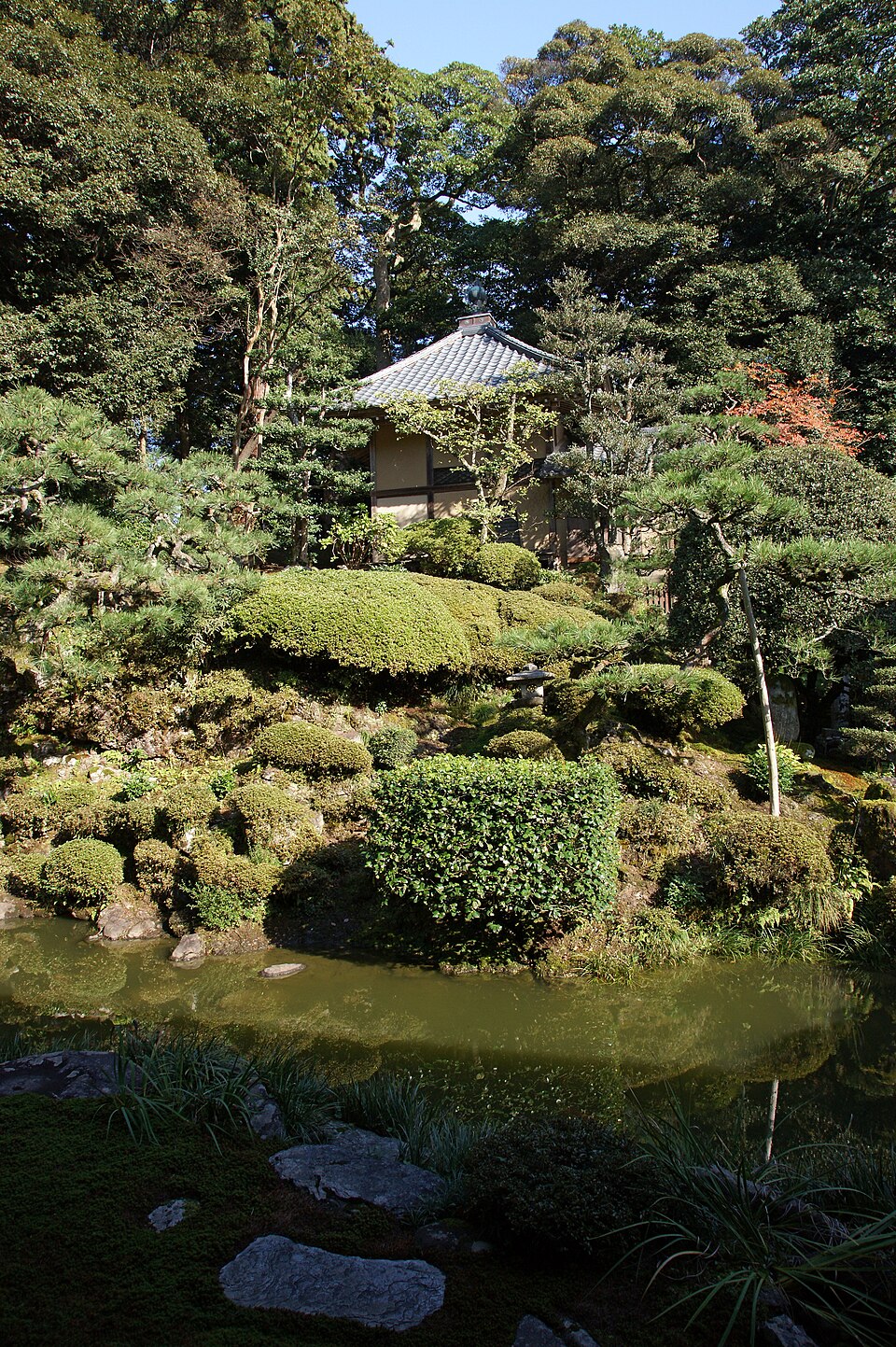 Enlarge ↗
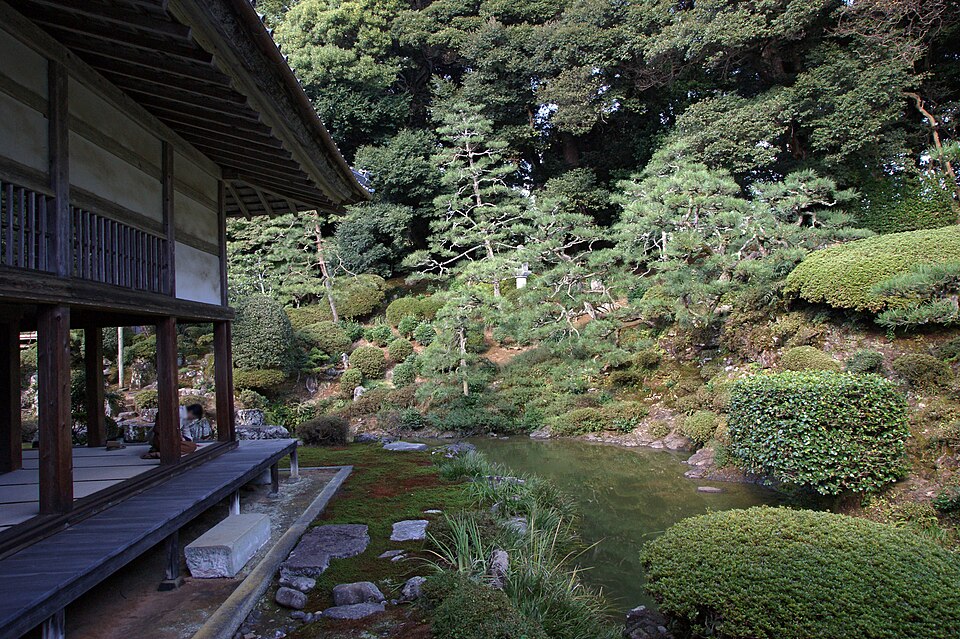 Enlarge ↗
Instagram posts from Fukui (from official accounts)
There are no posts linked to this place yet. Posts from the prefecture's official accounts are shown, rotating every minute.