


.jpg)


Overview
Across Japan the tenth lunar month is called kannazuki, the month without gods, because the gods are away. In Izumo alone it is called kamiarizuki, the month with gods, because this is where they have gone. In that season the nineteen halls in the grounds are said to serve as their lodgings. Worship here is two bows, four claps, one bow, where most shrines take two claps: another sign of how apart this shrine stands.
About this place
Izumo-taisha (出雲大社; 'Izumo Grand Shrine'), officially Izumo Ōyashiro, is one of the most ancient and important Shinto shrines in Japan. No record gives the date of establishment. Located in Izumo, Shimane Prefecture, it hosts two major festivals. It is dedicated to the kami (god) Ōkuninushi (大国主大神, Ōkuninushi no Ōkami), famous as the Shinto deity of marriage and to Kotoamatsukami, distinguishing heavenly kami. The shrine is widely regarded as the oldest Shinto shrine in Japan, predating the Ise Shrine. A style of architecture, taisha-zukuri, takes its name from the main hall of Izumo-taisha. That hall, and the attached buildings, were designated National Treasures of Japan in 1952. According to tradition, the hall was once much taller than it is now. The discovery in 2000 of the remains of enormous pillars lends credence to this. The shrine has been rebuilt every 60 to 70 years to preserve the kami's power and traditional architectural techniques. This regular rebuilding process is called "Sengū" (遷宮) and has long been practiced at a handful of important Shinto shrines, including Ise Shrine, which is rebuilt every 20 years. Several other buildings in the shrine compound are on the list of Important Cultural Properties of Japan.
Source: Wikipedia (CC BY-SA 4.0)
Source ja.wikipedia.org ↗Key facts
Founded:Unknown (among the oldest in Japan) Shrine rank:Ichinomiya of Izumo Province Designation:National Treasure Blessings:Matchmaking, Good fortune
Source ja.wikipedia.org ↗Official website
Check the official website for current opening hours, fees and closing days.
Source izumooyashiro.or.jp ↗Before you go
Three questions from the World Question Box that relate to this entry.
Same place in other collections

More in Shrines & Temples


Check before you visit · References
The original sources are listed here. Confirm opening hours, whether visits are accepted, fees and access with the latest official information.
Crafts and specialties of this prefecture
Written by Value Village from public sources. Nothing here is reproduced from another site. Languages: ja / en / zh
Photos of Shimane
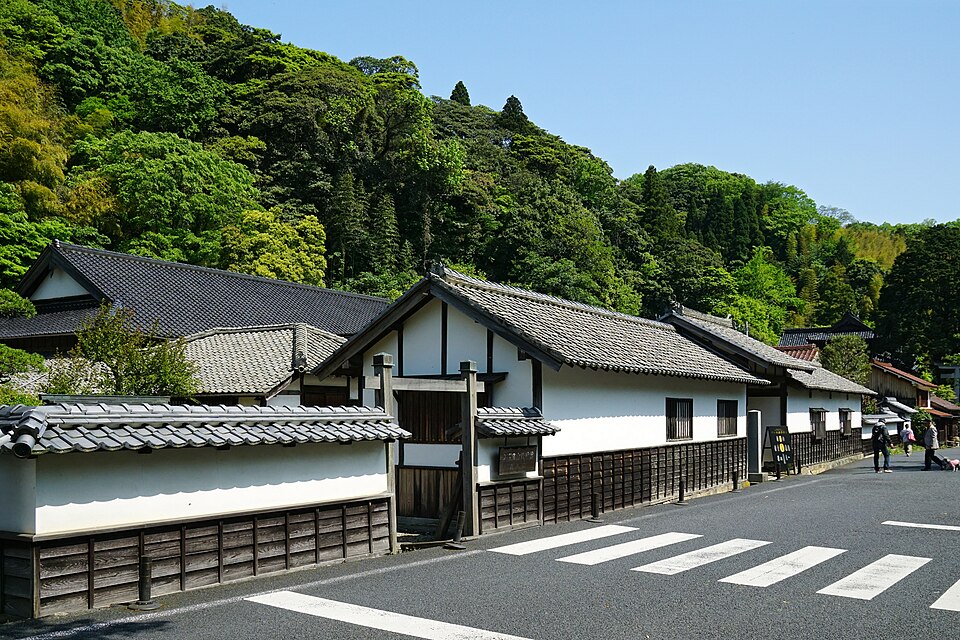
Reference photos of the region related to this entry. They are not photos of the listed facility or product.
 Enlarge ↗
Instagram posts from Shimane (from official accounts)
There are no posts linked to this place yet. Posts from the prefecture's official accounts are shown, rotating every minute.