


Overview
The centre of the three Kumano shrines. There are almost no other cases in the world of a pilgrimage road itself becoming World Heritage. Being far from Kyoto and Nara is precisely where the value lies, because leaving the everyday world behind was the whole point.
About this place
Kumano Hongū Taisha (熊野本宮大社) is a Shinto shrine in Tanabe in Wakayama, Japan. It is included as part of the Kumano Sanzan in the World Heritage Site "Sacred Sites and Pilgrimage Routes in the Kii Mountain Range". The main deities enshrined are Kumano Sansho Gongen (熊野三所権現): Ketsumimiko (家津美御子), Hayatama (速玉) and Fusubi (牟須美). All of the ancient Kumano Kodō routes lead to the Grand Shrine. It was originally located at present Ōyunohara (大斎原), on a sandbank at the confluence of the Kumano River and Otonashi River. In 1889, it was partially destroyed in a flood and the remaining shrine buildings were relocated at its present site in 1891. Of the original five main pavilions only three were rebuilt. Four deities were moved there and the other eight are still enshrined there in two stone monuments. In 2000, the largest torii shrine gate in the world (33.9 m (111 ft) tall and 42 m (138 ft) wide) was erected at the entrance to the Oyunohara sandbank. It is an official gateway that designates the entrance to a sacred area. It signifies the division of the secular and the spiritual worlds. This torii is called Otorii (o means "great") and is made of steel weighing 172 tons, which took about six months to make and another six months to assemble.
Source: Wikipedia (CC BY-SA 4.0)
Source ja.wikipedia.org ↗Key facts
Founded:Unknown (ancient) Shrine rank:Three Grand Shrines of Kumano Designation:Important Cultural Property, World Cultural Heritage Site Lineage:Kumano Shrine (about 3,000 shrines) Blessings:Rebirth, Warding off evil, Good fortune
Source ja.wikipedia.org ↗Official website
Check the official website for current opening hours, fees and closing days.
Source hongutaisha.jp ↗Before you go
Three questions from the World Question Box that relate to this entry.
Same place in other collections

More in Shrines & Temples


Check before you visit · References
The original sources are listed here. Confirm opening hours, whether visits are accepted, fees and access with the latest official information.
Crafts and specialties of this prefecture
Written by Value Village from public sources. Nothing here is reproduced from another site. Languages: ja / en / zh
Photos of Wakayama
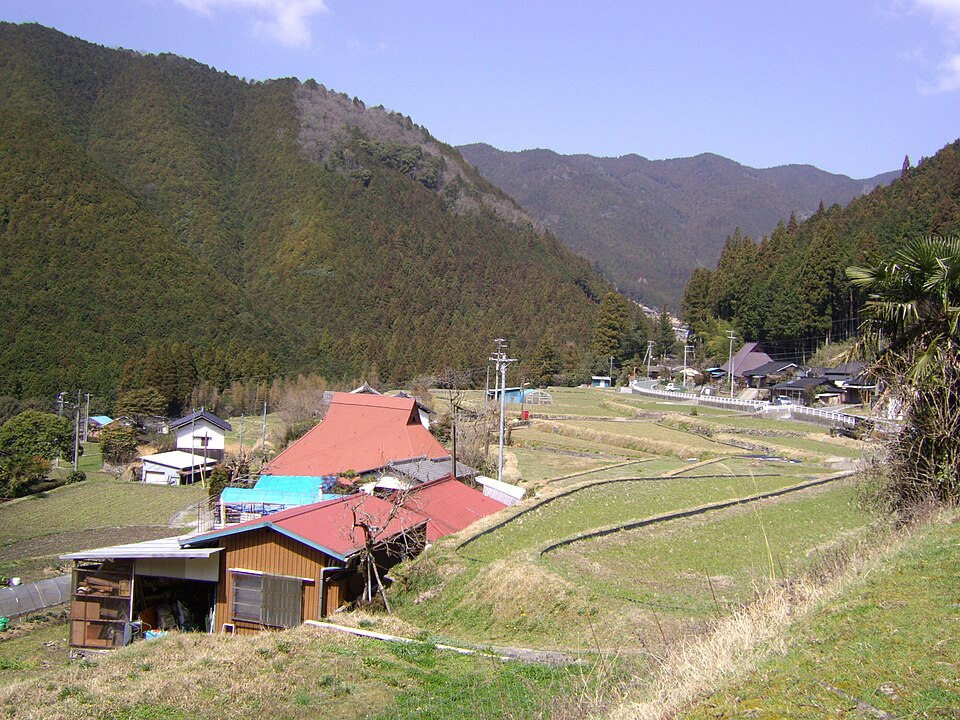
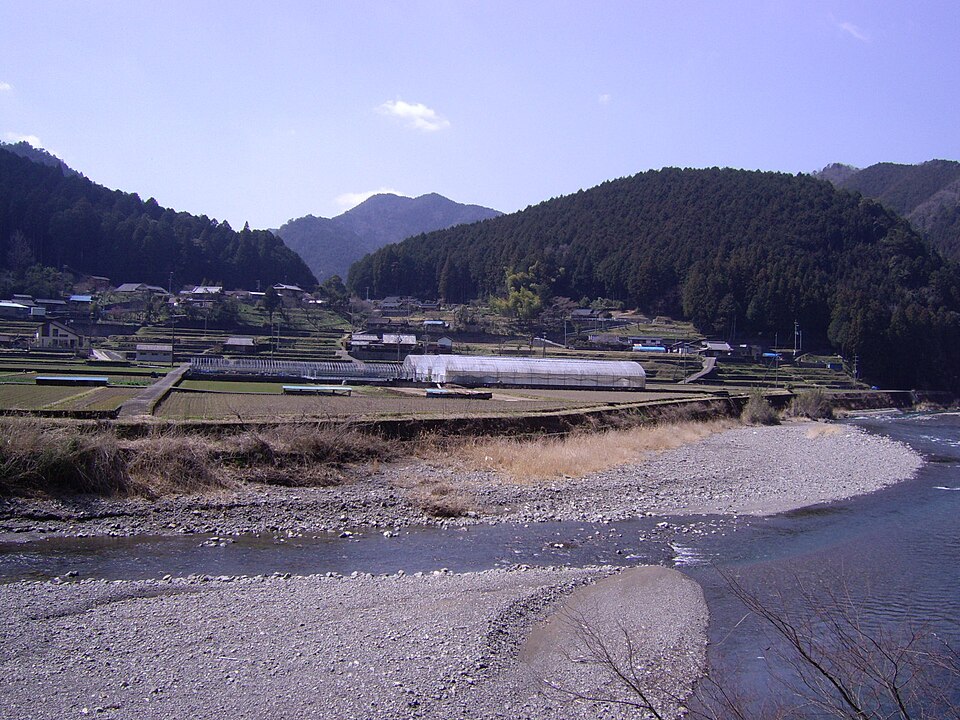
Reference photos of the region related to this entry. They are not photos of the listed facility or product.
 Enlarge ↗
 Enlarge ↗
Instagram posts from Wakayama (from official accounts)
There are no posts linked to this place yet. Posts from the prefecture's official accounts are shown, rotating every minute.