


Overview
Kagura offered at the annual festival, with elements of Noh. Seven pieces including a sword dance; a prefectural intangible folk cultural property.
About this place
Nishina Shinmei Shrine (仁科神明宮, Nishina Shinmeigū) is a Shinto shrine in Ōmachi, Nagano Prefecture, Japan. The shrine is the oldest extant example of shinmei-zukuri, one of three architectural styles which were conceived before the arrival of Buddhism in Japan. It predates in fact the more famous Ise Shrine, which shares the style and has been since antiquity rebuilt every twenty years. It was ranked as a Prefectural Shrine under the Modern system of ranked Shinto shrines. This style is characterized by an extreme simplicity. Its basic features can be seen in Japanese architecture from the Kofun period (250–538 C.E.) onwards and it is considered the pinnacle of Japanese traditional architecture. It is most common in Mie prefecture. Built in planed, unfinished wood, the honden is either 3x2 ken or 1x1ken in size, has a raised floor, a gabled roof with an entry on one the non-gabled sides (hirairi or hirairi-zukuri (平入・平入造)), no upward curve at the eaves, and purely decorative logs called chigi (vertical) and katsuogi (horizontal) protruding from the roof's ridge. Two of its structures, the Main Hall (本殿, honden) and the Inner Gate (中門, chūmon), are listed as National Treasures of Japan.
Source: Wikipedia (CC BY-SA 4.0)
Source ja.wikipedia.org ↗Official website
Check the official website for current opening hours, fees and closing days.
Source sinmeigu.jp ↗Before you go
Three questions from the World Question Box that relate to this entry.
More in Nature & Scenery
 NaganoNature & Scenery
Okaidan Meguri
 NaganoNature & Scenery
Kamikochi
 NaganoNature & Scenery
Snow Monkey Park
 NaganoNature & Scenery
Utsukushigahara
 NaganoNature & Scenery
Tateshina
 NaganoNature & Scenery
Check before you visit · References
The original sources are listed here. Confirm opening hours, whether visits are accepted, fees and access with the latest official information.
Crafts and specialties of this prefecture
Written by Value Village from public sources. Nothing here is reproduced from another site. Languages: ja / en / zh
Photos of Nagano
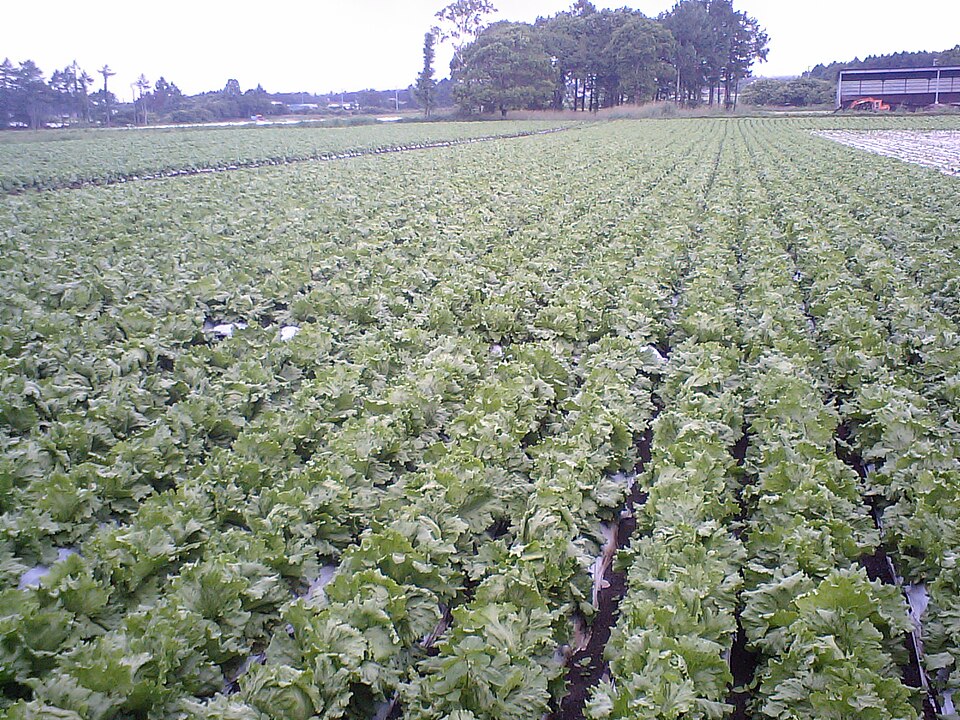
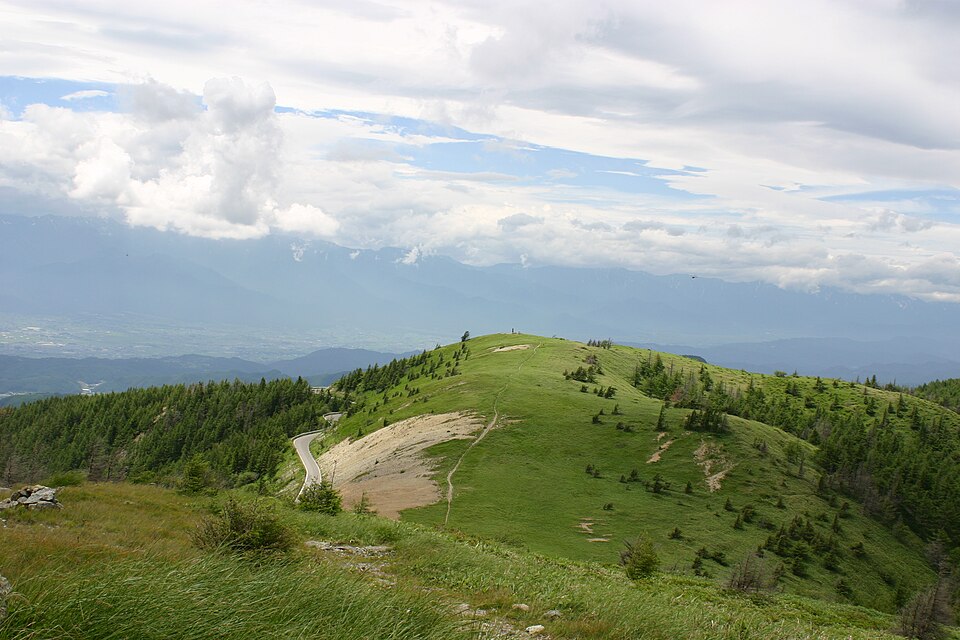
Reference photos of the region related to this entry. They are not photos of the listed facility or product.
 Enlarge ↗
 Enlarge ↗
Instagram posts from Nagano (from official accounts)
There are no posts linked to this place yet. Posts from the prefecture's official accounts are shown, rotating every minute.