
Overview
A range across Yamagata and Miyagi. Mount Kumano is its highest point, and the crater lake Okama lies among the peaks.
About this place
The Zaō Mountains (蔵王連峰, Zaō Renpō), commonly called Mount Zaō, are a complex cluster of stratovolcanoes on the border between Yamagata Prefecture and Miyagi Prefecture in Japan. The central volcano (one of the 100 Famous Japanese Mountains) includes several lava domes and a tuff cone, Goshiki-dake, which contains a crater lake named "Okama". Also known as the "Five Color Pond" (五色沼, goshiki numa) because it changes color depending on the weather, it lies in a crater formed by a volcanic eruption in the 1720s. The lake is 360 metres (1,200 ft) in diameter and 60 m (200 ft) deep, and is one of the main tourist attractions in the area. One striking feature of Zaō's famous ski resorts are the "frost-covered trees" (樹氷, juhyō) that appear in mid-winter. Mount Zao is, together with Mount Hakkoda and Mount Moriyoshi, regarded as one of the "Three Great Frost-Covered Tree" (Nihon Sandai Juhyō, 日本三大樹氷) sites of Japan, where the phenomenon known as "snow monsters" can be observed. At each mountain, aerial lift operated by the respective ski resorts provide access to areas in close proximity to the frost-covered trees. Strong wind over the nearby lake fling water droplets which freeze against the trees and their branches, until near-horizontal icicles begin to form. Falling snow settles on the ice formations, with the end result being grotesque figure of a tree. The effect of a full forest of such trees gives visitors a ghostly impression, hence they are colloquially known as "snow m
Source: Wikipedia (CC BY-SA 4.0)
Source ja.wikipedia.org ↗Verification notes
*Images can be downloaded from "Photo Download."
Source yamagatakanko.com ↗Official website
Check the official website for current opening hours, fees and closing days.
Source data.jma.go.jp ↗Before you go
Three questions from the World Question Box that relate to this entry.
Contributions
Corrections, first-hand notes, opening hours and translations from visitors and residents, checked before publishing.
Contribute about this place →More in Nature & Scenery


Check before you visit · References
The original sources are listed here. Confirm opening hours, whether visits are accepted, fees and access with the latest official information.
Crafts and specialties of this prefecture
Written by Value Village from public sources. Nothing here is reproduced from another site. Languages: ja / en / zh
Photos of Yamagata
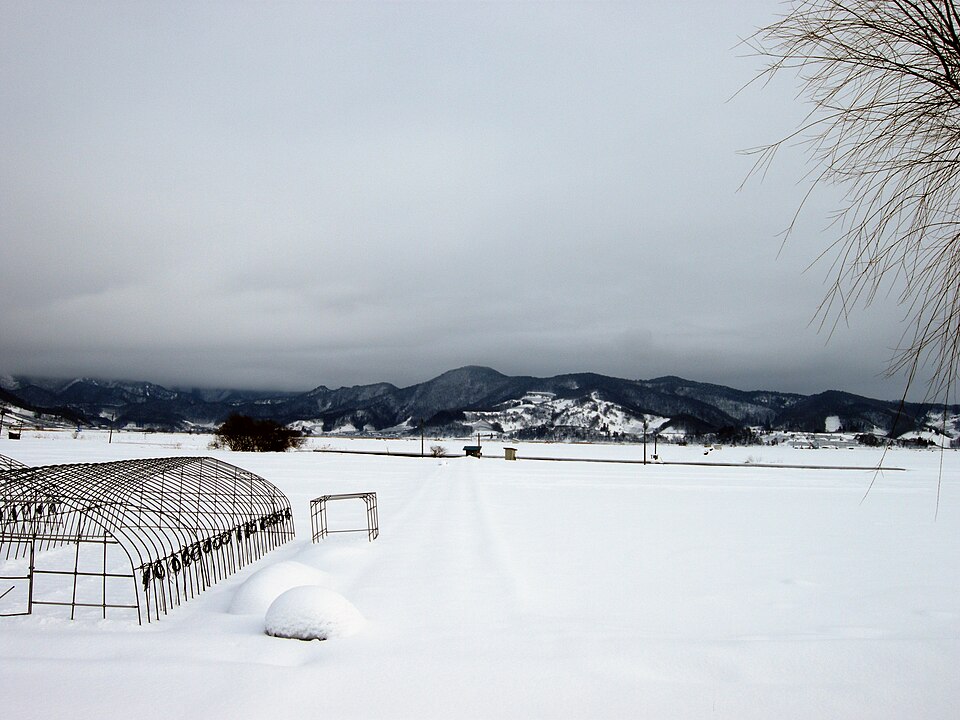
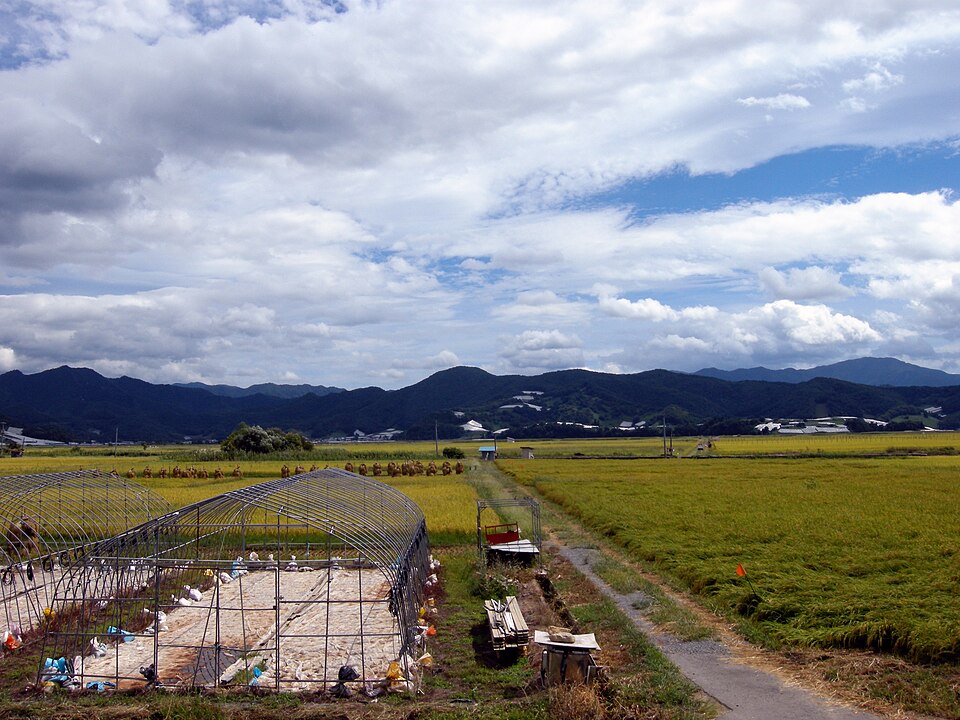
Reference photos of the region related to this entry. They are not photos of the listed facility or product.
 Enlarge ↗
 Enlarge ↗
Instagram posts from Yamagata (from official accounts)
There are no posts linked to this place yet. Posts from the prefecture's official accounts are shown, rotating every minute.
Open post ↗
Open post ↗
Open post ↗
Open post ↗
Open post ↗
Open post ↗