
Overview
Gyokuro and matcha are made by shading the plants before harvest. The trade grew up to meet the demand of the tea ceremony.
About this place
Uji tea (宇治茶, Uji-cha) is a common name for all Japanese green tea produced from Uji, Kyoto. The three main types of Uji tea are Matcha, Sencha and Gyokuro. It is believed that Japanese tea originated with the introduction of drinking customs from Tang Dynasty China during the Heian period, while the intensive cultivation of tea plants from seeds began at the Toganoo tea garden. These seeds were later spread to Uji, which became the site to produce the highest quality of tea leaf in Japan. Uji has witnessed the diversification of green tea. The development of the shaded cultivation method known as Ōishita saibai in Uji during the 15th or 16th century led to the birth of modern-day matcha. Beginning from the high-grade matcha, which was only accessible by the nobles, Sencha was invented in the 18th century to fulfil the need of common people. The combination of these two tea production techniques produced gyokuro. The increasing popularity of Uji tea is deeply connected with the success of tea ceremonies, including Tōcha, Chanoyu and Senchadō.
Source: Wikipedia (CC BY-SA 4.0)
Source ja.wikipedia.org ↗Before you go
Three questions from the World Question Box that relate to this entry.
More in Craft Experiences


Check before you visit · References
The original sources are listed here. Confirm opening hours, whether visits are accepted, fees and access with the latest official information.
Crafts and specialties of this prefecture
Written by Value Village from public sources. Nothing here is reproduced from another site. Languages: ja / en / zh
Photos of Kyoto
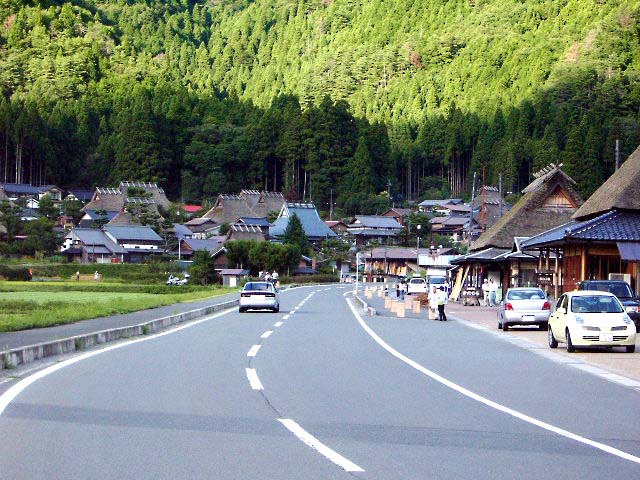
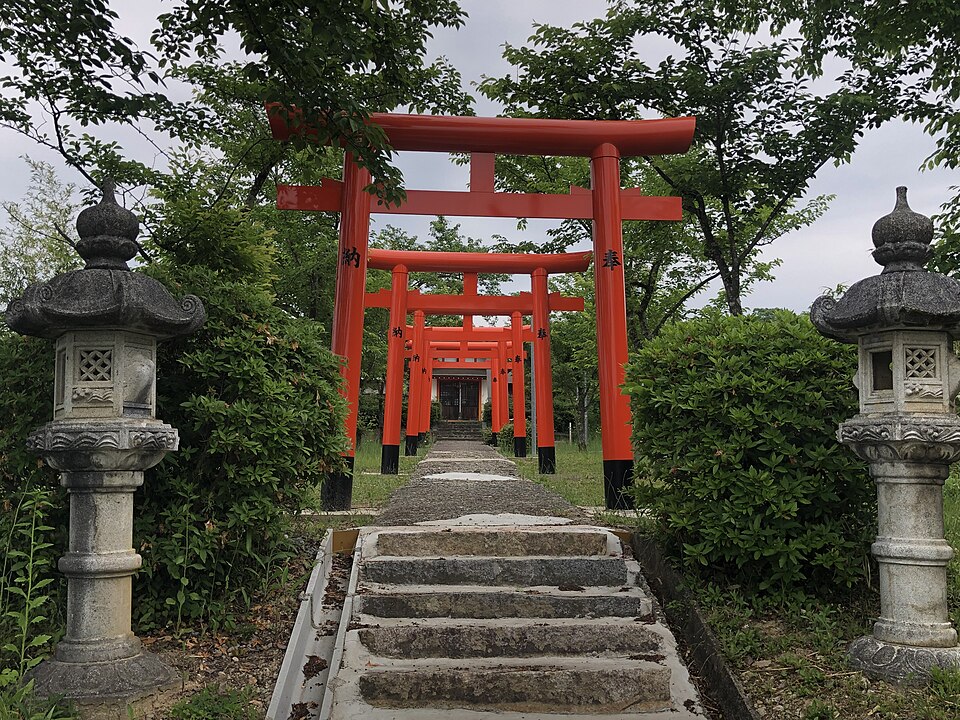
Reference photos of the region related to this entry. They are not photos of the listed facility or product.
 Enlarge ↗
 Enlarge ↗
Instagram posts from Kyoto (from official accounts)
There are no posts linked to this place yet. Posts from the prefecture's official accounts are shown, rotating every minute.