

_Nagano,JAPAN.jpg)
_-_panoramio.jpg)

_as.jpg)


Overview
Once every seven years, huge trees cut from the mountain are hauled by hand and raised at the four corners of the halls.
About this place
The Mihashira or Onbashira (Japanese: 御柱; honorific prefix 御 on-/mi- + 柱 hashira 'pillar') are four wooden posts or pillars that stand on the four corners of local shrines in the Lake Suwa area of Nagano Prefecture (historical Shinano Province), Japan. The largest and most famous set of onbashira are those that stand on the four shrines that make up the Suwa Grand Shrine complex. By custom, the onbashira are replaced every six (traditionally reckoned as seven) years, in the years of the Monkey and the Tiger in the Chinese zodiac. In Suwa Shrine, this occurs during the Onbashira Festival (御柱祭, Onbashira-sai), which also functions as a symbolic renewal of the shrine's buildings. During the festival, sixteen specially chosen fir trees are felled and then transported down a mountain, where they are then erected at the four corners of each shrine. Festival participants ride the onbashira as they are slid down the mountain, dragged to the shrine, and raised. The festival has the reputation of being the most dangerous in Japan due to the number of people regularly injured or killed while riding the logs. This festival, which lasts several months, consists of two main segments, Yamadashi and Satobiki. Yamadashi traditionally takes place in April, and Satobiki takes place in May. For 2022, the Yamadashi portion has been cancelled due to the ongoing COVID-19 pandemic, but the Satobiki is still scheduled to begin on 3 May.
Source: Wikipedia (CC BY-SA 4.0)
Source ja.wikipedia.org ↗Official website
Check the official website for current opening hours, fees and closing days.
Source onbashira.jp ↗Before you go
Three questions from the World Question Box that relate to this entry.
Same place in other collections
More in Architecture


Check before you visit · References
The original sources are listed here. Confirm opening hours, whether visits are accepted, fees and access with the latest official information.
Crafts and specialties of this prefecture
Written by Value Village from public sources. Nothing here is reproduced from another site. Languages: ja / en / zh
Photos of Nagano
Reference photos of the region related to this entry. They are not photos of the listed facility or product.
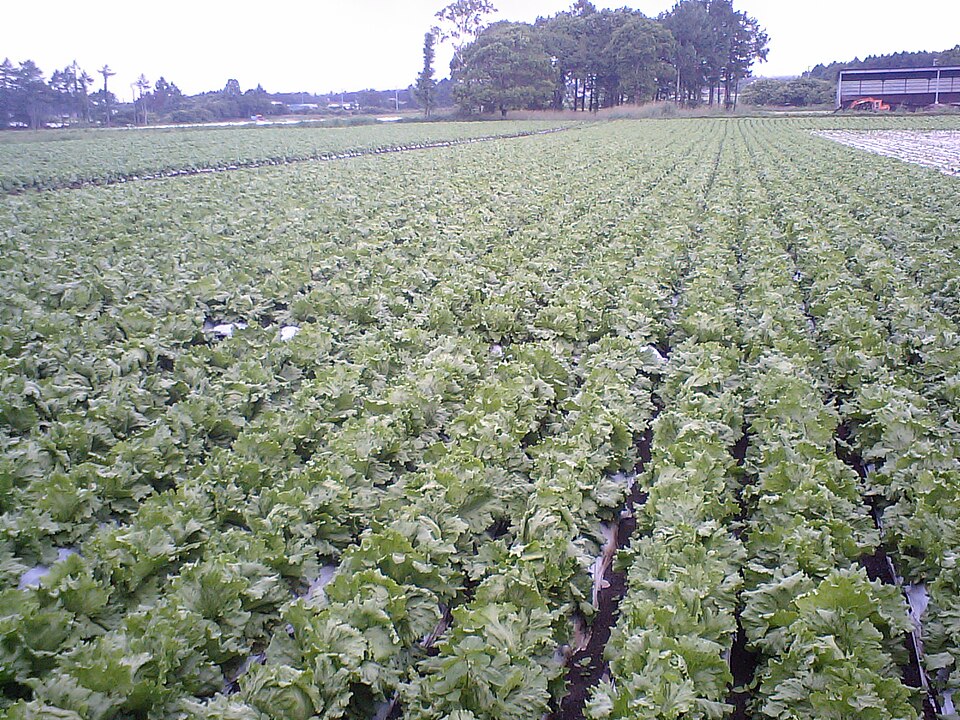 Enlarge ↗
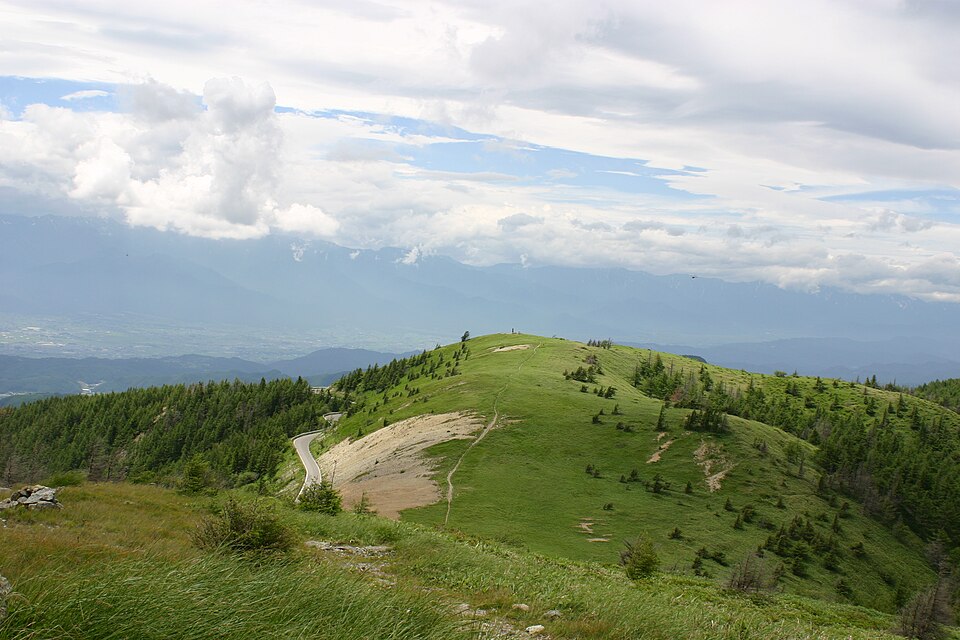 Enlarge ↗
Instagram posts from Nagano (from official accounts)
There are no posts linked to this place yet. Posts from the prefecture's official accounts are shown, rotating every minute.