
Overview
Not once broken in over 1,270 years. Worshippers stand to catch the sparks from the great torches.
About this place
The Shuni-e (修二会; literally "Second-Month Service") is a ceremony held each year at certain Buddhist temples in Japan. The name comes from its observance in the second month of the lunisolar calendar. Today, the service is usually held in either February or March, depending on temples. One of the popularly known Shuni-e is the one at Tōdai-ji in Nara, held between March 1 and the morning of March 15. This article describes below the details of the Shuni-e held at Tōdai-ji. The Tōdai-ji Shuni-e ceremony was originally started by Jitchū, a monk of the Kegon school, as a devotion and confession to the Bodhisattva Kannon (Skt: Avalokiteśvara). It has continued every year since 752, though it was held at a different site until the Nigatsu-dō was completed in 772. The ceremony is also known as Omizutori (お水取り), the name of its climactic ritual. The ceremony actually comprises an array of ceremonies centered on repentance to the Bodhisattva Kannon and prayers for the welfare of society. Two of the best known ceremonies of the Shuni-e are the Fire Ceremony (otaimatsu in Japanese) and the Omizutori, or "Water Ceremony".
Source: Wikipedia (CC BY-SA 4.0)
Source ja.wikipedia.org ↗Key facts
Founded / opened:752
Source ja.wikipedia.org ↗Before you go
Three questions from the World Question Box that relate to this entry.
More in Festivals


Check before you visit · References
The original sources are listed here. Confirm opening hours, whether visits are accepted, fees and access with the latest official information.
Crafts and specialties of this prefecture
Written by Value Village from public sources. Nothing here is reproduced from another site. Languages: ja / en / zh
Photos of Nara
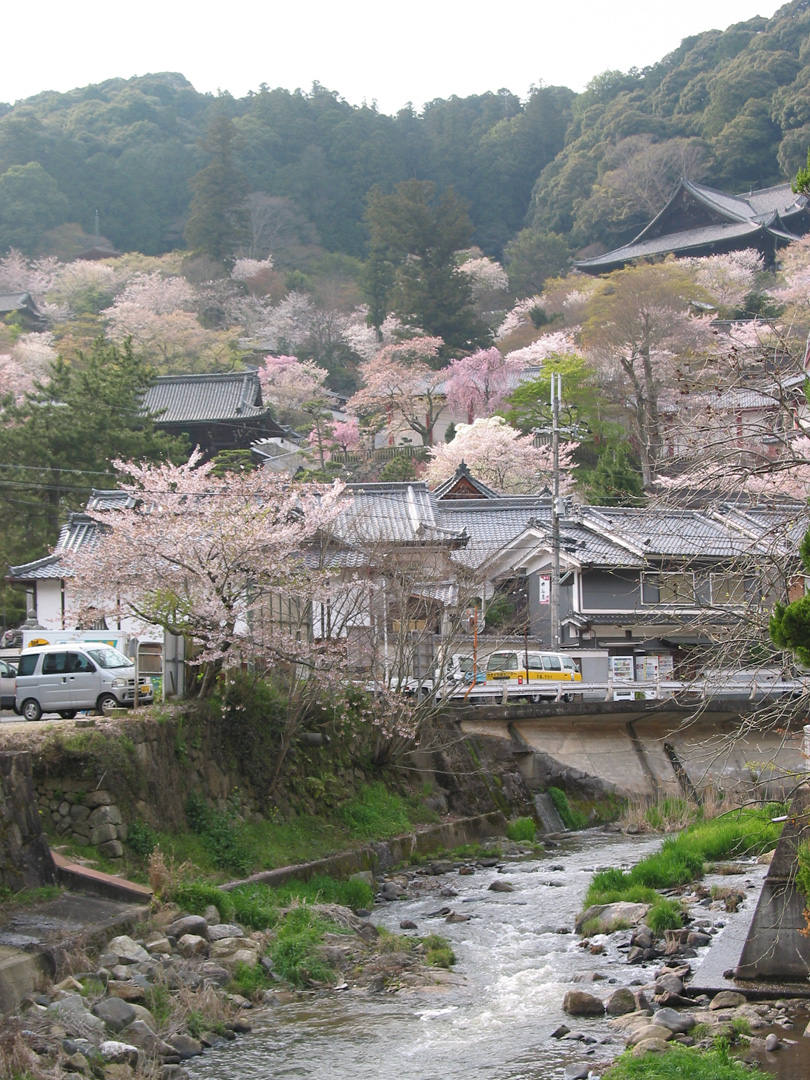
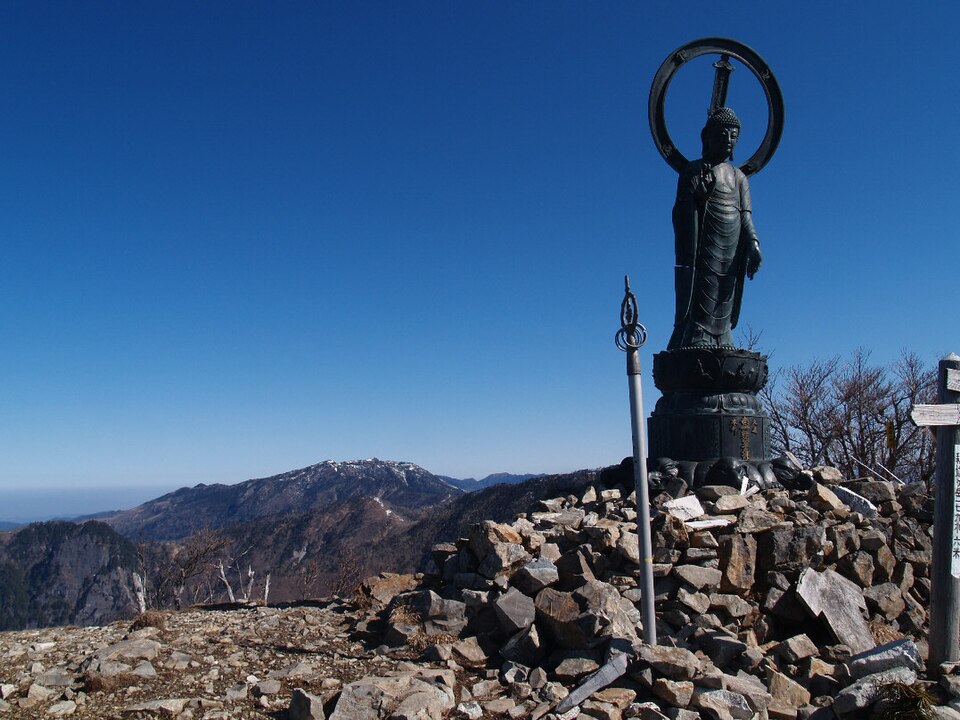
Reference photos of the region related to this entry. They are not photos of the listed facility or product.
 Enlarge ↗
 Enlarge ↗
Instagram posts from Nara (from official accounts)
There are no posts linked to this place yet. Posts from the prefecture's official accounts are shown, rotating every minute.