

Overview
Kunio Maekawa, central to Japanese modernism, left eight buildings in his mother's home town - his first and last work within one walk.
About this place
Kunio Maekawa (前川 國男, Maekawa Kunio; 14 May 1905 – 26 June 1986) was a Japanese architect and a key figure of modernism in post-war Japan. After early stints in the studios of Le Corbusier and Antonin Raymond, Maekawa began to articulate his architectural language after establishing his firm in 1935, maintaining a continuous tension between Japanese traditional design and European architectural modernism throughout his career. Firmly insistent that both civic and vernacular architecture should be rendered through a modernist lens appropriate to the contemporary lifestyle of the Japanese people, Maekawa's early work and competition entries consistently pushed back against the dominant Imperial Crown Style. His post-war prefab housing projects borrowed from manufacturing strategies in the automotive industry to create houses that privileged light, ventilation, and openness against the feudal hierarchical principles perpetuated by the interior divisions found in traditional Japanese homes. He is particularly known for his designs of the Tokyo Bunka Kaikan and the National Museum of Modern Art, as well as the Tokyo Kaijo Building, a 25-story tall skyscraper that became the flashpoint for the bikan ronso debates in 1970s Tokyo surrounding urban beautification and building height regulation. Many noted modernist architects began their careers in Maekawa's office, including Kenzō Tange and Miho Hamaguchi. His home (and one-time office), which he designed and completed in 1942, has b
Source: Wikipedia (CC BY-SA 4.0)
Source ja.wikipedia.org ↗Key facts
Founded / opened:1932 Architect / artist:Kunio Maekawa Highlights / collection:Kimura Industrial Research Institute, Hirosaki City Hall, Hirosaki Civic Hall Genre:Architecture
Source ja.wikipedia.org ↗Before you go
Three questions from the World Question Box that relate to this entry.
More in Architecture


Check before you visit · References
The original sources are listed here. Confirm opening hours, whether visits are accepted, fees and access with the latest official information.
Crafts and specialties of this prefecture
Written by Value Village from public sources. Nothing here is reproduced from another site. Languages: ja / en
Photos of Aomori
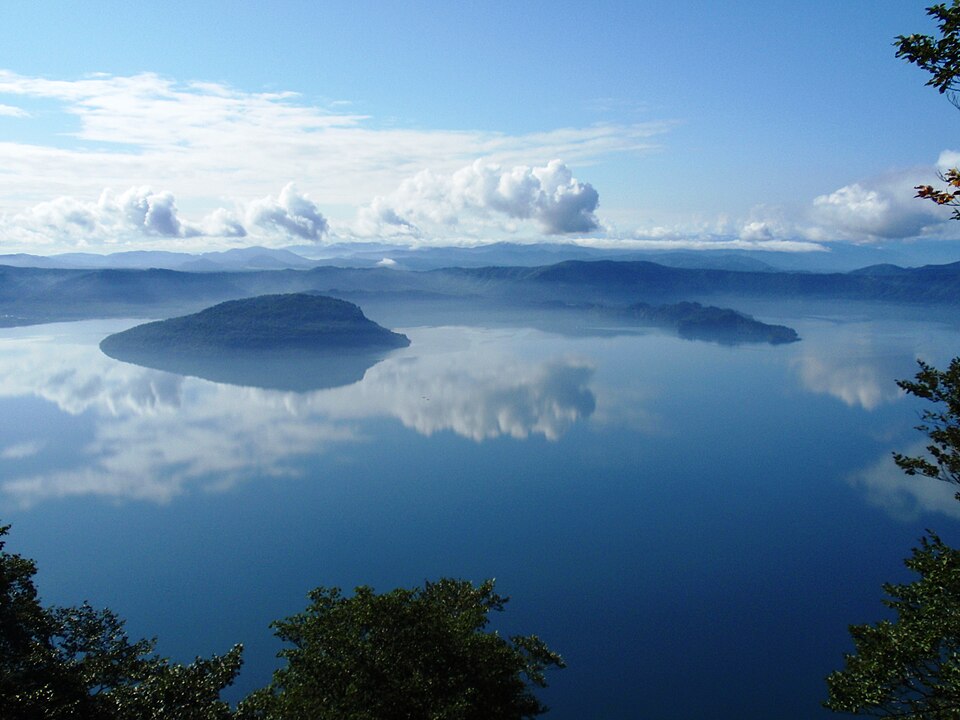
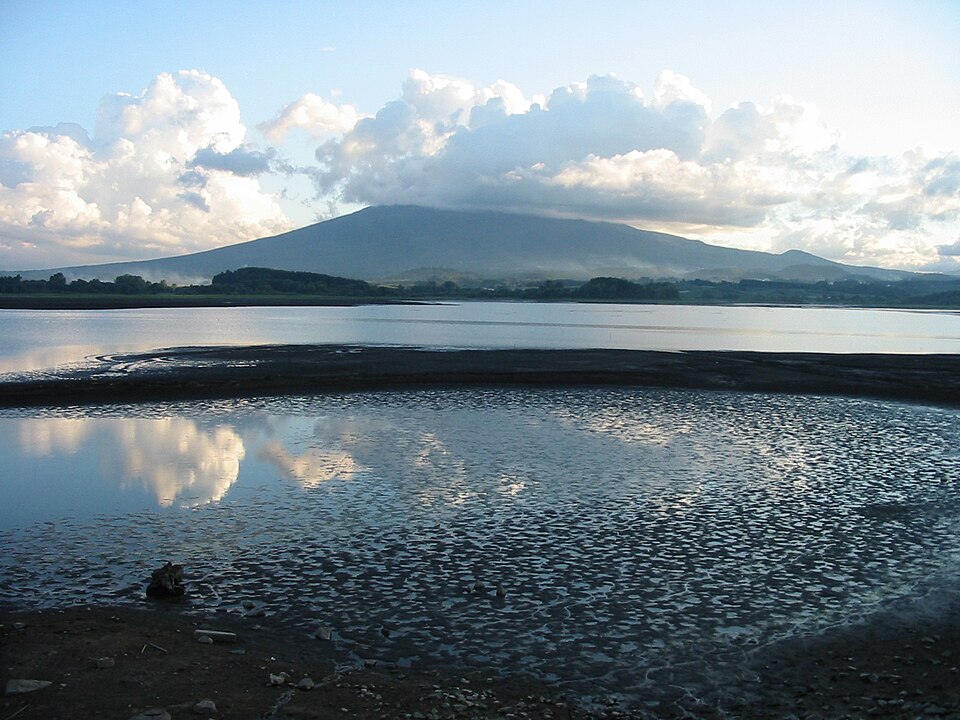
Reference photos of the region related to this entry. They are not photos of the listed facility or product.
 Enlarge ↗
 Enlarge ↗
Instagram posts from Aomori (from official accounts)
There are no posts linked to this place yet. Posts from the prefecture's official accounts are shown, rotating every minute.