 Hirosaki
Saishoin Gojunoto
Called the northernmost five-storey pagoda in Japan, and the most beautiful.
See detailsJAPAN
Festivals, apples, and deep forests.
NEW What's new
Recently added or updated on this prefecture's page (within 30 days).
Pick a category that interests you and find the trip that suits you.
PICK UP
From entries with clearly licensed photos.
HirosakiCalled the northernmost five-storey pagoda in Japan, and the most beautiful.
See details Towadare-kuma · CC BY 3.0 ↗
 Aomori
For the printmaker Shiko Munakata, who called his medium 'board painting'; the museum closed in 2024 and its works passed to the prefectural museum.
See details Aomori
Its galleries imitate the walls of an excavation trench; it holds three of the four vast backdrops Chagall painted for the ballet Aleko.
See detailsIntroduced by city, ward, town and village within the prefecture.
 FEATUREAomori now (autumn)Oirase Gorge and the Hakkoda forests glow with vivid autumn foliage.See the feature 663highland · CC BY 2.5
Check information useful for planning, for a fuller trip.
JAPAN GUIDE
No worries even on a first trip to Japan. Useful things to know, explained clearly.
See all guidesThe answer The common misunderstanding is that an IC card is only a train ticket. It is a prepaid e-money card…
Read the answer →The answer The common misunderstanding is that a big suitcase can simply go in a locker. Most lockers are for …
Read the answer →The answer The common misunderstanding is that Japan is a year-round destination with even demand. Three domes…
Read the answer →REGIONAL SPECIALTIES
It is not only the big cities. The regions are full of charm, and special experiences you can only have in each place are waiting.
ValueVillage Directory
Japan's value, to the world. A directory of makers across all 47 prefectures — culture, tradition, food, sightseeing, nature and people — built for overseas businesses. As a trading company, we handle introductions, confirmation of terms, liaison, quotations and samples, sourcing from Japan, and purchasing on your behalf.
Open the directory · Send a request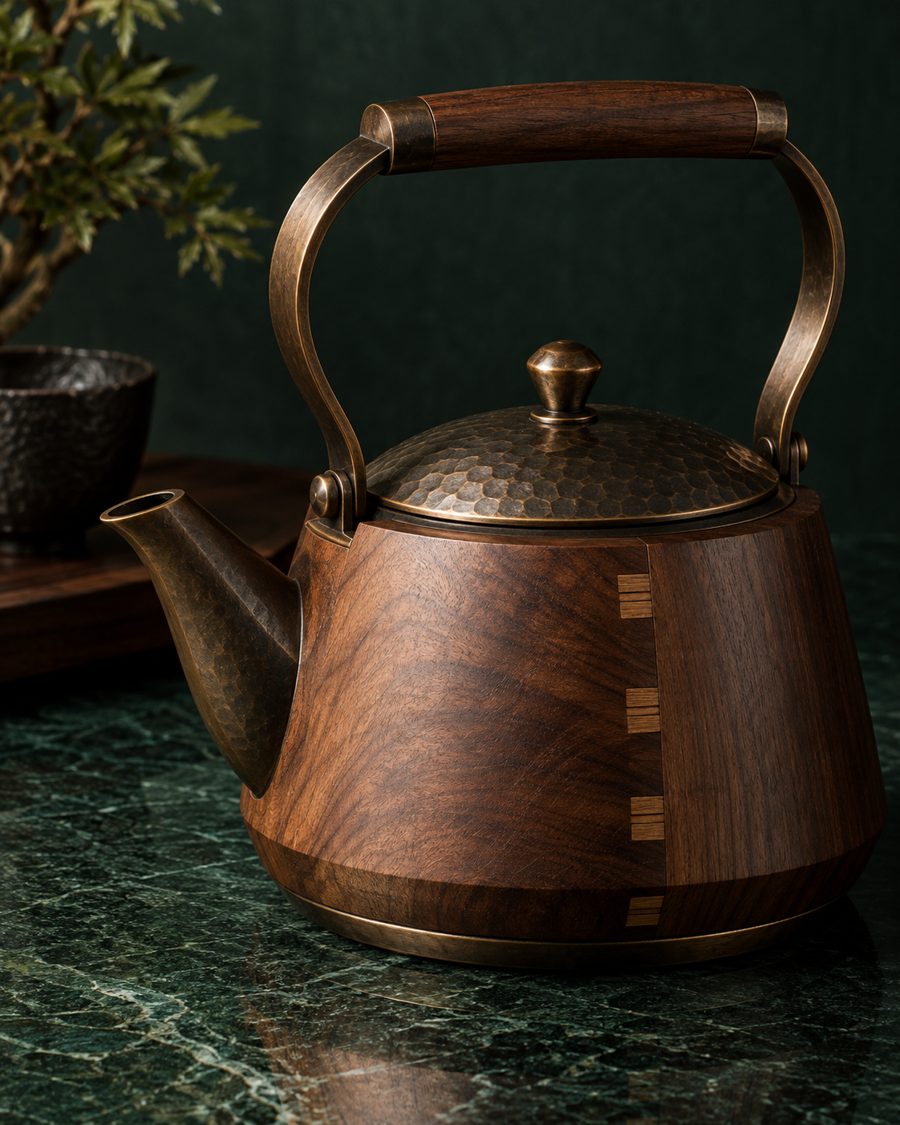
INSTAGRAM / 6
Local governments, tourism accounts and local posts are shown with official embeds. Photos are not stored on Value Village; they link to the original posts.
THINGS TO DO / 6
Choose from what you can only do here.
 01Hirosaki Blossom WalkWalk beneath blossoms around the castle keep and admire petal-filled moats.See related entries →Raita Futo · CC BY 2.0
 02Feel Nebuta FestivalExperience glowing floats and the energy of dancing haneto performers.See related entries →663highland · CC BY 2.5
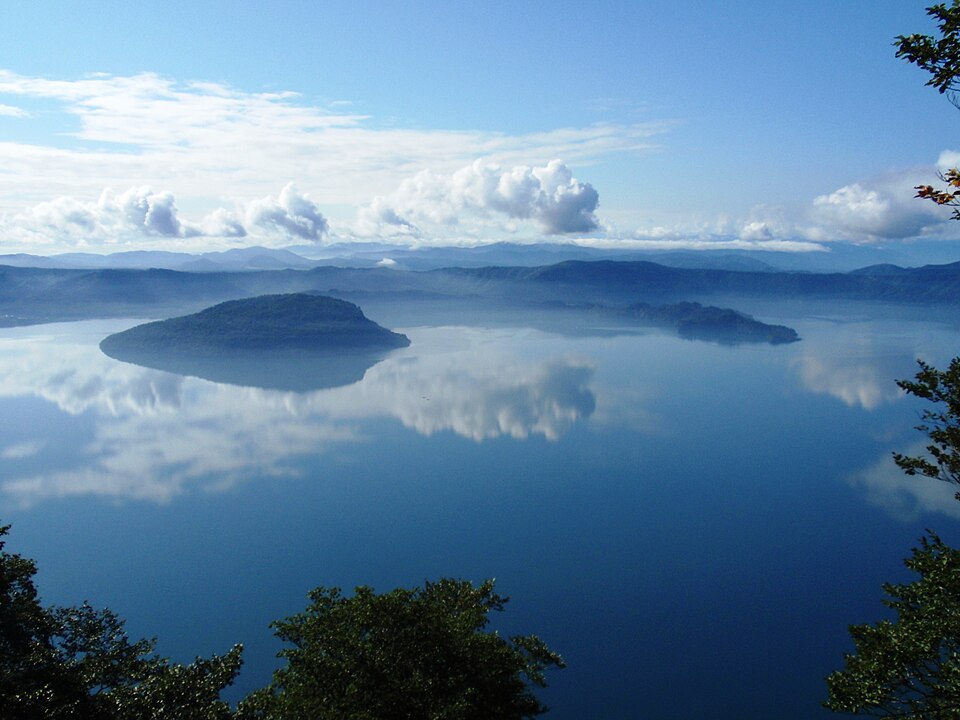 03Hike Oirase GorgeFollow a streamside trail through mossy woods and a succession of waterfalls.See related entries →Soica2001 · Public domain
 04See Hakkoda Snow TreesRide the ropeway to see Hakkoda's immense frost-coated trees.See related entries →Yuichi Kosio · CC BY 2.0
 05Soak at Sukayu OnsenSoak in the celebrated waters of a historic cypress-built bathhouse.See related entries →あおもりくま · CC BY-SA 3.006Pick Aomori ApplesHarvest crisp Aomori apples in a local orchard during the fruiting season.See related entries →あおもりくま · CC BY-SA 3.0
NEED TO KNOW
BEST TIME TO TRAVEL
 Raita Futo · CC BY 2.0
Cherry blossoms envelop Hirosaki Castle and its moats in delicate color.
See recommendations for this season → くろふね · CC BY 3.0
The Aomori Nebuta Festival electrifies the city with enormous illuminated floats.
See recommendations for this season →663highland · CC BY 2.5Oirase Gorge and the Hakkoda forests glow with vivid autumn foliage.
See recommendations for this season → あおもりくま · CC BY-SA 4.0
Enjoy deep snow at Sukayu Onsen and frost-covered trees in Hakkoda.
See recommendations for this season →LOCAL FOOD / 13
What people have long eaten in this place. We collect the dishes themselves, not restaurants.
Chicken, daikon, carrot, burdock, mushrooms and shredded konjac are simmered in dashi, then Nanbu senbei crackers made for soup are broken into the broth and simmered.
Area:Hachinohe
Source:Ministry of Agriculture, Forestry and Fisheries (MAFF), "Our Regional Cuisines"
A clear soup in which raw sea urchin and abalone are briefly simmered in dashi seasoned with salt, sake and soy sauce. Served with finely shredded leek and chopped green shiso.
Area:Nanbu region
Source:Ministry of Agriculture, Forestry and Fisheries (MAFF), "Our Regional Cuisines"
Daikon, carrot, burdock, bracken, butterbur, fried tofu and freeze-dried tofu are chopped fine and simmered in kombu dashi, then ground soybeans and miso are added.
Area:Tsugaru region
Source:Ministry of Agriculture, Forestry and Fisheries (MAFF), "Our Regional Cuisines"
A scallop shell is used in place of a pot: miso is dissolved in dashi of grilled dried fish and dried bonito flakes, then sheet wheat gluten and beaten egg are added and set.
Area:Shimokita and Tsugaru regions
Source:Ministry of Agriculture, Forestry and Fisheries (MAFF), "Our Regional Cuisines"
The head, bones, innards and other trimmings of cod are simmered with daikon and carrot in kombu dashi and seasoned with miso.
Area:Tsugaru region
Source:Ministry of Agriculture, Forestry and Fisheries (MAFF), "Our Regional Cuisines"
Finely chopped squid is mixed with minced cabbage, carrot, onion and wheat flour, shaped into patties and deep-fried.
Area:Tsugaru region
Source:Ministry of Agriculture, Forestry and Fisheries (MAFF), "Our Regional Cuisines"
Daikon, konjac, satsuma-age fish cakes, eggs and chikuwa are simmered in kombu dashi and eaten with a sauce of red miso and sugar cooked down and mixed with grated ginger.
Area:Aomori
Source:Ministry of Agriculture, Forestry and Fisheries (MAFF), "Our Regional Cuisines"
Buckwheat flour is kneaded with salted water, rolled thin and cut into triangles, then simmered in a pot with daikon and tofu and eaten dipped in garlic miso.
Area:Nanbu region
Source:Ministry of Agriculture, Forestry and Fisheries (MAFF), "Our Regional Cuisines"
Green soybeans are boiled and mashed, kneaded with non-glutinous rice flour, glutinous rice flour, sugar and salt, formed into a bar and sliced thin. It is also eaten grilled.
Area:Nanbu region
Source:Ministry of Agriculture, Forestry and Fisheries (MAFF), "Our Regional Cuisines"
Dough of glutinous rice flour and non-glutinous rice flour kneaded with sugar is colored in several colors, layered, shaped into a bar and steamed. Cutting it reveals a pattern in the cross-section.
Area:Shimokita region
Source:Ministry of Agriculture, Forestry and Fisheries (MAFF), "Our Regional Cuisines"
Dough of glutinous rice flour is wrapped around smooth red bean paste, shaped into an egg and boiled, then served in a bowl with dashi broth.
Area:Shimokita region
Source:Ministry of Agriculture, Forestry and Fisheries (MAFF), "Our Regional Cuisines"
Steamed glutinous rice is pounded, mixed with salt, sugar and sesame and cut into pieces, dipped in lukewarm water, frozen in the winter cold and dried in the wind for more than a month.
Area:Tsugaru region
Source:Ministry of Agriculture, Forestry and Fisheries (MAFF), "Our Regional Cuisines"
A noodle dish with a soup combining miso with curry flavor and milk. Butter is placed on top, and it is served with bean sprouts, menma bamboo shoots and wakame seaweed.
Area:Aomori
Source:Aomori Prefecture Tourism and International Exchange Organization "Amazing AOMORI"
MICHI-NO-EKI / 28
Rest facilities registered by Japan's national government. Each has parking and toilets open 24 hours, and by definition includes a facility that sells local products. This is where the making and the food of this prefecture can actually be bought.
There are 28 stations in this prefecture in all (national registry).
LOCAL ACCOUNTS / 2
Japanese-language accounts that post about this area.
These are third-party accounts. They are not affiliated with Value Village and this is not an endorsement.
CITIES & TOWNS / 16
Sorted by number of entries. Start from the name of a town.
INTERESTS / 13
Only the interests found in this prefecture.
Osorezan Bodaiji · あおもりくま · CC BY-SA 3.0Osorezan Bodaiji / Iwakiyama Jinja
To the list Shirakami · Ocavis Leechroot · CC BY 3.0
Shirakami / Hakkoda
To the list Koganezaki Furofushi Onsen · 掬茶 · CC BY-SA 4.0
Koganezaki Furofushi Onsen / Yunokawa Onsenkyo
To the list Fujita Garden · 掬茶 · CC BY-SA 4.0
Fujita Garden
To the listHirosaki-jo · Raita Futo · CC BY 2.0Hirosaki-jo / Maekawa Kunio Buildings in Hirosaki
To the list Sannai Maruyama · 663highland · CC BY 2.5
Sannai Maruyama / Munakata Shiko Memorial Museum of Art
To the listAomori Nebuta · 663highland · CC BY 2.5Aomori Nebuta / Aomori Museum of Art
To the list Hachinohe Portal Museum Hacchi · 掬茶 · CC BY-SA 4.0
Hachinohe Portal Museum Hacchi / Towada Art Square
To the list Aomori Port and Seikan Ferry Memorial Ship Hakkoda Maru · くろふね · CC BY 4.0
Aomori Port and Seikan Ferry Memorial Ship Hakkoda Maru / Aomori Prefectural Misawa Aviation and Science Museum
To the list Mutsu Kagaku Gijutsukan · kitakame · CC BY 3.0
Mutsu Kagaku Gijutsukan / Jogakura Bridge
To the list Tachineputa · Occidentale · CC BY 4.0
Tachineputa / Tsugaru Shamisen
To the list Kanesa Bonju Plant No. 1 · Animataru · CC BY-SA 4.0
Kanesa Bonju Plant No. 1 / Hachinohe Port
To the list Kaidan National Route 339 · Shift · CC BY-SA 3.0
Kaidan National Route 339 / Shiriyazaki Lighthouse
To the listHIGHLIGHTS
From entries with clearly licensed photos.
Shrines & TemplesLong held to be the mountain where the souls of the dead gather. Sulphur vents and the still water of Lake Usori lie side by side, so that hell and paradise can be taken in at a single glance.
 Architecture
The only Edo-period castle keep still standing in northern Japan. Famous for its 2,600 cherry trees.
 Museums
A settlement that lasted 1,700 years. The large six-pillared building has been reconstructed.
 Nature & Scenery
Untouched primeval beech forest. One of the first two sites in Japan inscribed as World Natural Heritage.
 Gardens
A garden on two levels: a height that borrows Mount Iwaki as scenery, and low ground fed by springs.
 Festivals
Twenty-three metres tall. It was revived by burying the town's power lines.
SMILE NEWS / 869
Stories that lift your spirits a little, collected with their sources.
At the Chitose community centre in Hirosaki, Aomori, a shared kitchen called Oide-Ale brings residents from children to older people together for meals. December sessions run from 9.30am on the 5th and 19th, with menus built around local produce and sweets-making for children.
source: Hirosaki CityA photo exhibition of Acole Festa 2026 opens on 2 December in the stairway gallery of Acole, the working women's centre in Aomori City. It looks back on the September event, showing club displays, hands-on corners and a stamp rally.
source: Aomori CityA startup community run by Aomori Prefecture will hold a networking event on December 15 at a startup hub in Aomori City. Three guests who took part in a November gathering will talk about the words that stayed with them and how they have changed since.
source: Rokunohe TownNo posts match yet.
Hashtags often used for this area. Each opens the tag page on Instagram.
2026-10-24 ~ 2026-11-08
2026-10-30 ~ 2026-11-08
2026-11-20 ~ 2027-02-14
2026-12-01 ~ 2027-02-28
2026-12-11 ~ 2026-12-25
2026-12-18 ~ 2027-02-21
2027-02-06 ~ 2027-02-14
2027-02-10 ~ 2027-02-14
2027-02-17 ~ 2027-02-20
2027-08-02 ~ 2027-08-07
Hirosaki and others
Hirakawa
Aomori
Aomori
BEFORE YOU GO
TRAVEL
Real photos of the region. Select an image to enlarge it.
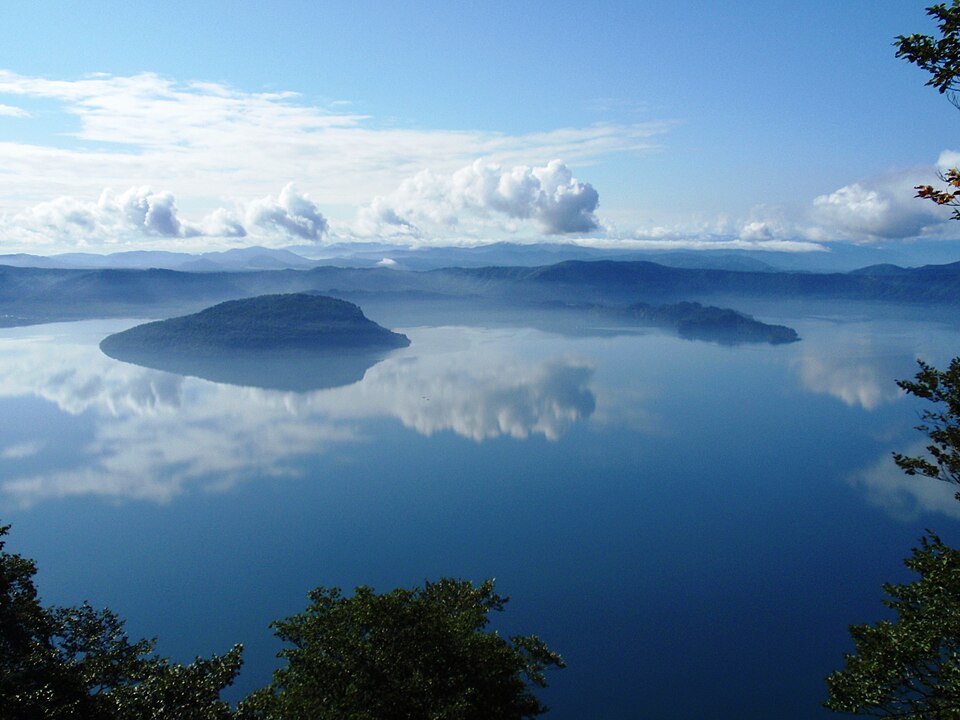 Enlarge ↗
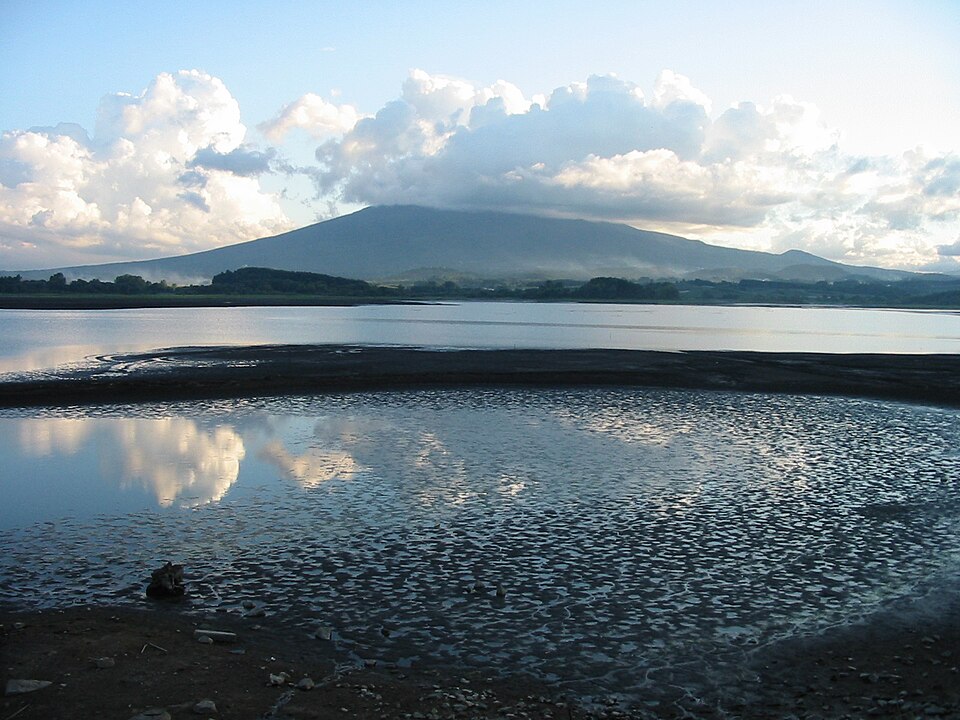 Enlarge ↗
Scenery you have never seen, flavors you never knew, people you would never otherwise meet. A journey to feel this beautiful Japan closer.
Start the journey


