


.JPG)

.jpg)
.jpg)
.jpg)

Overview
A Jomon settlement occupied for 1,700 years; its clay figures and lacquered combs are the oldest layer of design in Japan.
About this place
The Sannai-Maruyama Site (Japanese: 三内丸山遺跡, Hepburn: Sannai-Maruyama iseki) is an archaeological site and museum located in the Maruyama and Yasuda neighborhoods to the southwest of central Aomori City in Aomori Prefecture in northern Japan, containing the ruins of a very large Jōmon period settlement. The ruins of a 40-hectare (400,000 m2; 99-acre) settlement were discovered in 1992, when Aomori Prefecture started surveying the area for a planned baseball stadium. Archaeologists have used this site to further their understanding of the transition to sedentism and the life of the Jōmon people. Excavation has led to the discovery of storage pits, above ground storage, and long houses. These findings demonstrate a change in the structure of the community, architecture, and organizational behaviors of these people. Because of the extensive information and importance, this site was designated as a Special National Historical Site of Japan in 2000, and a UNESCO World Heritage Site as part of the Jōmon Prehistoric Sites in Northern Japan collection in 2021. Today the public can visit the site, its various reconstructions of Jōmon structures, and a museum that displays and houses artifacts collected on the site, which have collectively been designated an Important Cultural Property of Japan.
Source: Wikipedia (CC BY-SA 4.0)
Source ja.wikipedia.org ↗Key facts
Founded / opened:1994 Highlights / collection:Large plate-shaped clay figurine, Jomon lacquerware, Six-pillar building Genre:Antique art and Buddhist art, Lacquer art
Source ja.wikipedia.org ↗Official website
Check the official website for current opening hours, fees and closing days.
Source sannaimaruyama.pref.aomori.jp ↗Before you go
Three questions from the World Question Box that relate to this entry.
Same place in other collections
More in Museums


Check before you visit · References
The original sources are listed here. Confirm opening hours, whether visits are accepted, fees and access with the latest official information.
Crafts and specialties of this prefecture
Written by Value Village from public sources. Nothing here is reproduced from another site. Languages: ja / en
Photos of Aomori
Reference photos of the region related to this entry. They are not photos of the listed facility or product.
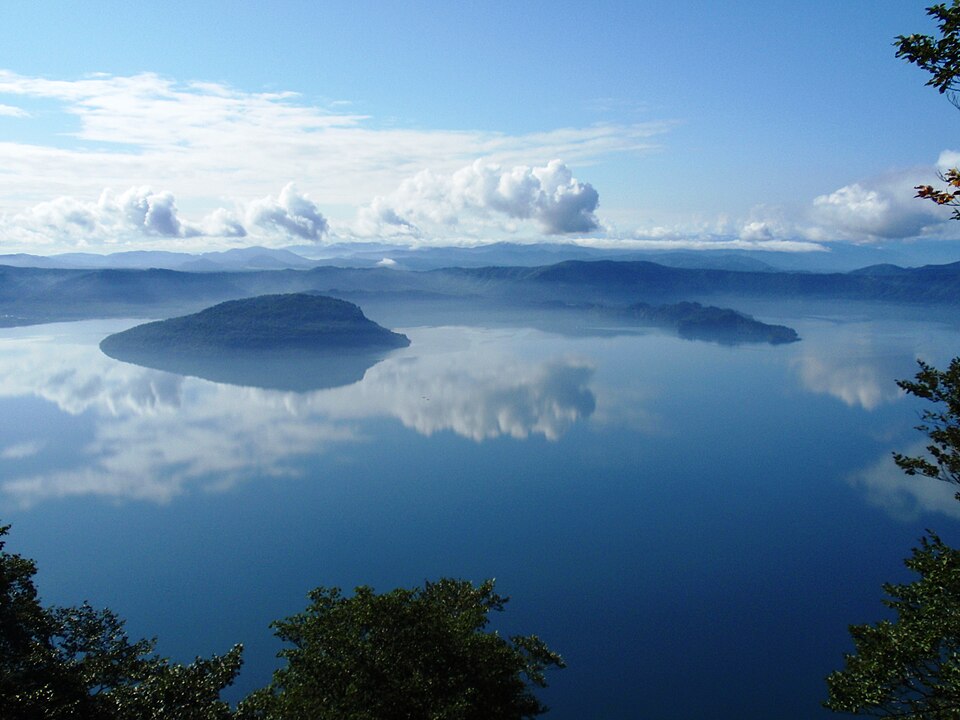 Enlarge ↗
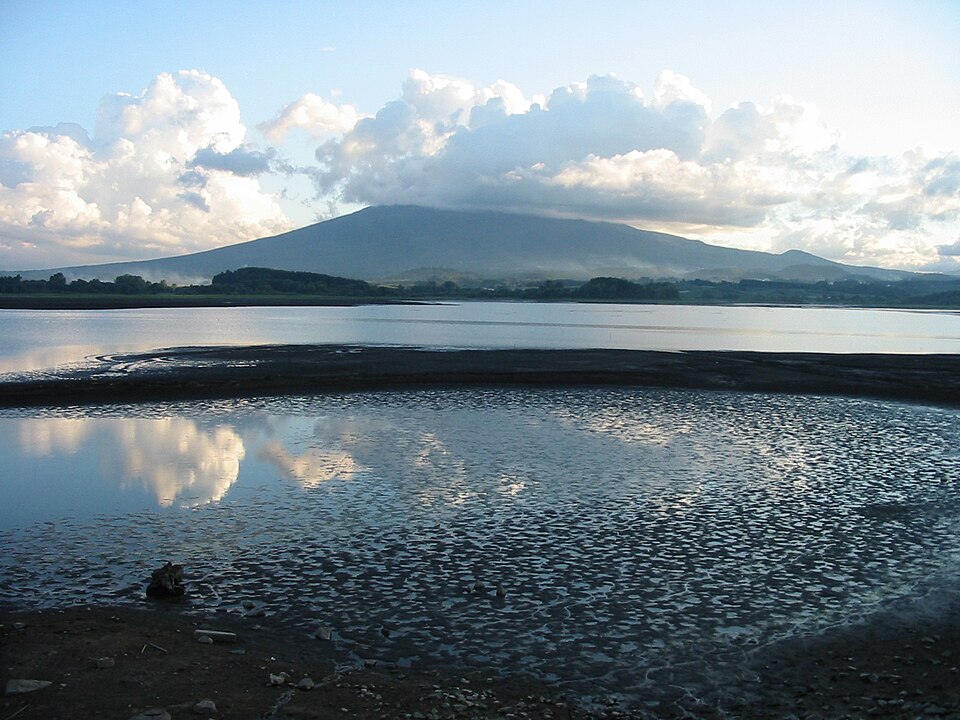 Enlarge ↗
Instagram posts from Aomori (from official accounts)
There are no posts linked to this place yet. Posts from the prefecture's official accounts are shown, rotating every minute.