


Overview
The fan-shaped artificial island that was Japan's only opening to the West; buried by landfill, and now being excavated and rebuilt.
About this place
Dejima (Japanese: 出島; lit. 'exit island') or Deshima, in the 17th century also called Tsukishima (築島; lit. 'built island'), was an artificial island off Nagasaki, Japan, that served as a trading post for the Portuguese (1570–1639) and subsequently the Dutch (1641–1858). For 220 years, it was the central conduit for foreign trade and cultural exchange with Japan during the isolationist Edo period (1600–1869), and the only Japanese territory open to Westerners. Dejima was created in 1636 by digging a canal through a small peninsula and linking it to the mainland with a small bridge. The island was constructed by the Tokugawa shogunate, whose isolationist policies sought to preserve the existing sociopolitical order by forbidding outsiders from entering Japan while prohibiting most Japanese from leaving. Dejima housed European merchants and separated them from Japanese society while still facilitating lucrative trade with the West. Following a rebellion by mostly Catholic converts, the Portuguese were expelled in 1639. The Dutch were moved to Dejima in 1641, under stricter control and scrutiny, and segregated from Japanese society. For over 200 years, the Dutch were not allowed to set foot in Japan, and were kept under poor conditions. Trade was highly scrutinized, and no Japanese were allowed unsupervised contact with the Dutch. They (the Japanese) are strictly and strongly guarded, from the inside and outside by various guards, treating us (the Dutch) not like honest men, but
Source: Wikipedia (CC BY-SA 4.0)
Source ja.wikipedia.org ↗Key facts
Founded / opened:1636 Highlights / collection:Fan-shaped artificial island, 16 reconstructed buildings Genre:Architecture
Source ja.wikipedia.org ↗Official website
Check the official website for current opening hours, fees and closing days.
Source nagasakidejima.jp ↗Before you go
Three questions from the World Question Box that relate to this entry.
Same place in other collections
 NagasakiArchitecture
Dejima
 NagasakiArchitecture
Dejima
More in Architecture


Check before you visit · References
The original sources are listed here. Confirm opening hours, whether visits are accepted, fees and access with the latest official information.
Crafts and specialties of this prefecture
Written by Value Village from public sources. Nothing here is reproduced from another site. Languages: ja / en
Photos of Nagasaki
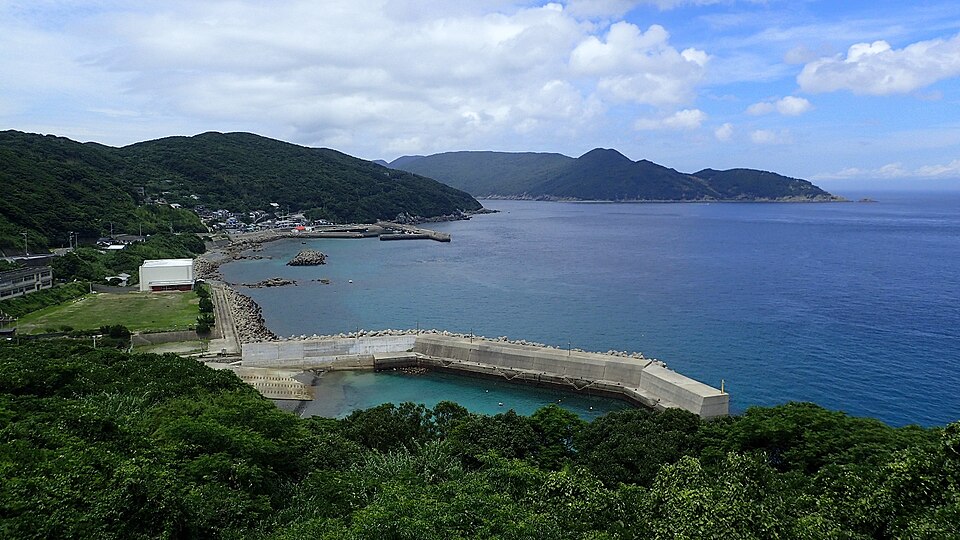
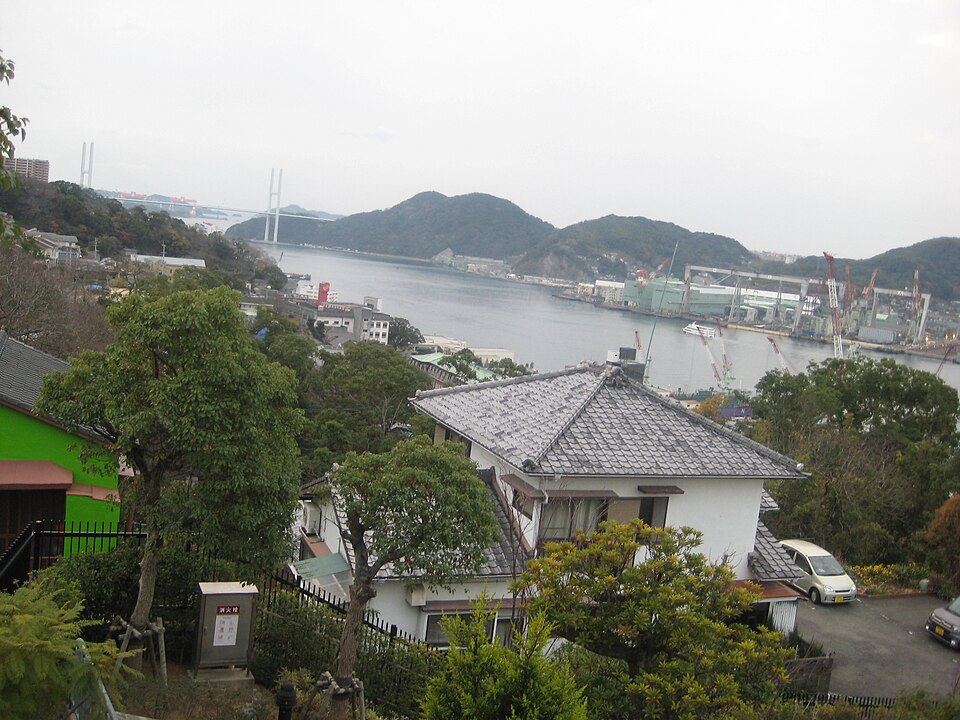
Reference photos of the region related to this entry. They are not photos of the listed facility or product.
 Enlarge ↗
 Enlarge ↗
Instagram posts from Nagasaki (from official accounts)
There are no posts linked to this place yet. Posts from the prefecture's official accounts are shown, rotating every minute.