
.jpg)
.jpg)


Overview
A coal island whose 1916 concrete apartment blocks are among Japan's oldest; abandoned in 1974 and left as a whole ruined city.
About this place
Hashima Island (端島; or simply Hashima, as -shima is a Japanese suffix for 'island'), commonly called Gunkanjima (軍艦島; meaning 'Battleship Island'), is an abandoned island about 15 kilometres (8 nautical miles) from the centre of Nagasaki, Japan. It is one of 505 uninhabited islands in Nagasaki Prefecture. The island's most notable features are its abandoned concrete buildings, undisturbed except by nature, and the surrounding seawall. While the island is a symbol of the rapid industrialisation of Japan, it is also a reminder of Japanese war crimes as a site of forced labour prior to and during World War II. The 6.3-hectare (16-acre) island was known for its undersea coal mines, established in 1887, which operated during the industrialisation of Japan. The island reached a peak population of 5,259 in 1959. In 1974, with the coal reserves nearing depletion, the mine was closed and all of the residents departed soon after, leaving the island effectively abandoned for the following three decades. Interest in the island re-emerged in the 2000s on account of its undisturbed historic ruins, and it gradually became a tourist attraction. Certain collapsed exterior walls have since been restored, and travel to Hashima was reopened to tourists on 22 April 2009. Increasing interest in the island resulted in an initiative for its protection as a site of industrial heritage. After much controversy, the island's coal mine was formally approved as a UNESCO World Heritage Site in July 2015, a
Source: Wikipedia (CC BY-SA 4.0)
Source ja.wikipedia.org ↗Key facts
Founded / opened:1890 Highlights / collection:World Heritage Site, One of Japan's oldest reinforced-concrete apartment buildings, Entire island now uninhabited Genre:Architecture, Outdoor art and land art
Source ja.wikipedia.org ↗Official website
Check the official website for current opening hours, fees and closing days.
Source gunkanjima-nagasaki.jp ↗Before you go
Three questions from the World Question Box that relate to this entry.
Same place in other collections

More in Architecture


Check before you visit · References
The original sources are listed here. Confirm opening hours, whether visits are accepted, fees and access with the latest official information.
Crafts and specialties of this prefecture
Written by Value Village from public sources. Nothing here is reproduced from another site. Languages: ja / en
Photos of Nagasaki
Reference photos of the region related to this entry. They are not photos of the listed facility or product.
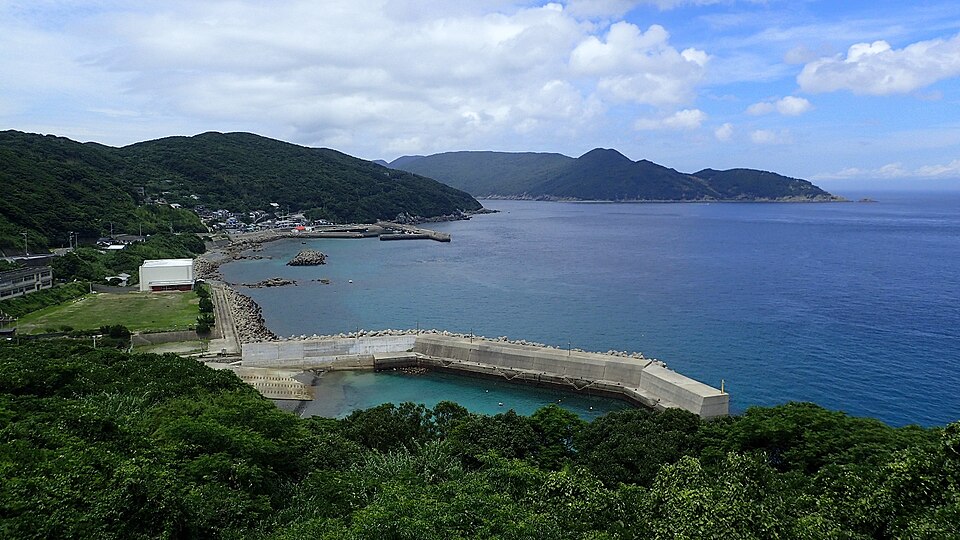 Enlarge ↗
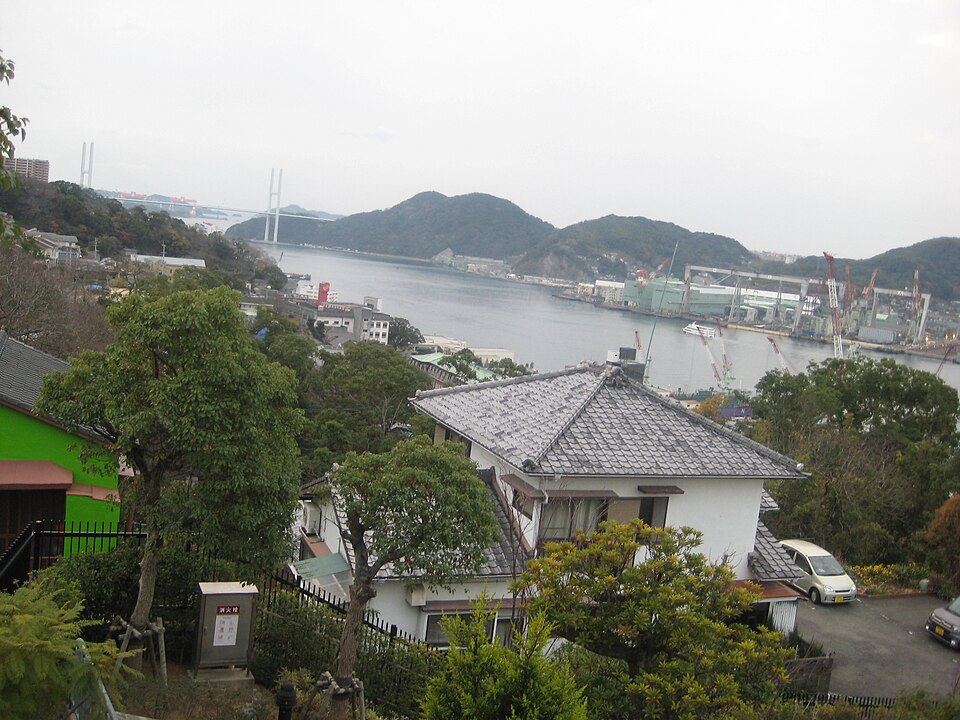 Enlarge ↗
Instagram posts from Nagasaki (from official accounts)
There are no posts linked to this place yet. Posts from the prefecture's official accounts are shown, rotating every minute.