


 — · Public domain
 — · Public domain

Overview
Stencilled paste resist with pigment rubbed in - a meeting of Chinese, Southeast Asian and Japanese dyeing, in colours built for southern light.
About this place
Bingata (Okinawan: 紅型) is a traditional stencilled resist dyeing technique originating in Okinawa Prefecture. Bingata typically features a busy pattern of repeating nature motifs such as fish, flowers and fauna in a number of bright colours. Bingata is worn during traditional Ryukyuan festivals and traditional arts performances. Bingata dates from the Ryūkyū Kingdom period (14th century), when the island of Okinawa experienced an influx of foreign goods and manufacturing techniques. It is believed to have developed as a synthesis of Indian, Chinese, and Javanese dyeing processes.
Source: Wikipedia (CC BY-SA 4.0)
Source ja.wikipedia.org ↗Key facts
Founded / opened:1400s Highlights / collection:Stencils and paste resist, Layering of strong colours Genre:Textiles and dyeing
Source ja.wikipedia.org ↗Before you go
Three questions from the World Question Box that relate to this entry.
More in Art & Crafts


Check before you visit · References
The original sources are listed here. Confirm opening hours, whether visits are accepted, fees and access with the latest official information.
Crafts and specialties of this prefecture
Written by Value Village from public sources. Nothing here is reproduced from another site. Languages: ja / en
Photos of Okinawa
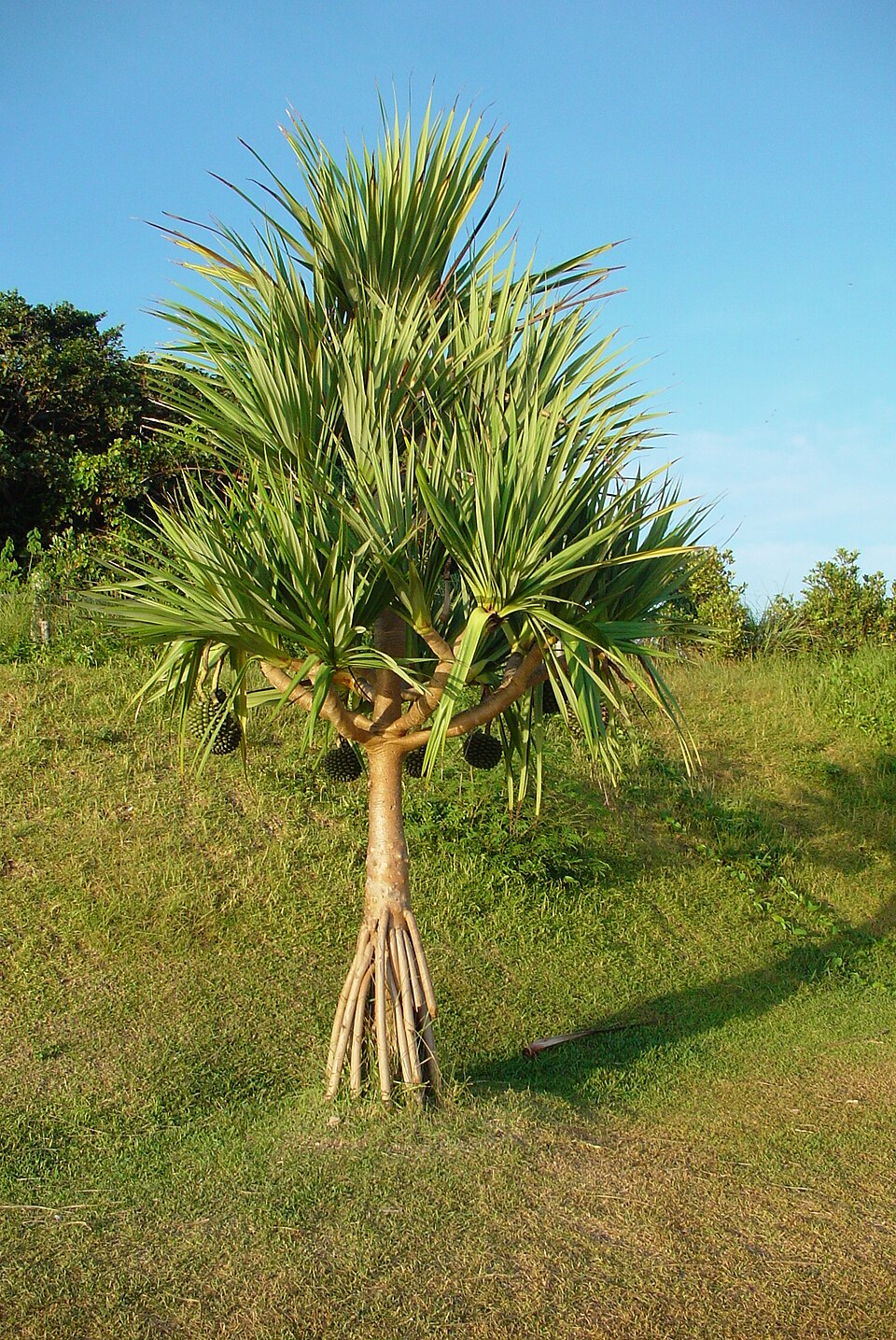
Reference photos of the region related to this entry. They are not photos of the listed facility or product.
 Enlarge ↗
Instagram posts from Okinawa (from official accounts)
There are no posts linked to this place yet. Posts from the prefecture's official accounts are shown, rotating every minute.