
_in_the_Form_of_a_Brush_LACMA_M.2008.264.58.jpg) — · Public domain
— · Public domain_LACMA_M.2006.214.27.jpg) — · Public domain
— · Public domain — · Public domain
Overview
The quarter where the kingdom gathered all its kilns; it escaped the war, and workshops still line the paved street.
About this place
Tsuboya ware (壺屋焼, Tsuboya-yaki), or Cibuja-jaci in Okinawan, is a type of Ryukyuan pottery traditionally produced in Tsuboya, a pottery district in the city of Naha, in the prefecture Okinawa. Okinawan craftsmen began engaging in this form of pottery in 1682, and have since passed down the craft for generations. The most notable feature of this ware is its enamel decoration, unique to Okinawa. Originally, ceramics produced in this style were used primarily by common, middle-class people. However, during the Taisho period (1912–1926), the style was popularized by folk art proponents like Muneyoshi Yanagi. Tsuboya ware is categorized into two types: arayachi (荒焼; lit. 'rough pottery') and jōyachi (上焼; lit. 'high pottery'). While arayachi is a more simple style and takes the form of vessels for water or alcohol, jōyachi can be recognized by its rich enamel decoration.
Source: Wikipedia (CC BY-SA 4.0)
Source ja.wikipedia.org ↗Key facts
Founded / opened:1682 Highlights / collection:Climbing kiln, South Kiln, Stone-paved street and workshops Genre:Crafts and ceramics, Architecture
Source ja.wikipedia.org ↗Official website
Check the official website for current opening hours, fees and closing days.
Source tuboya.com ↗Before you go
Three questions from the World Question Box that relate to this entry.
More in Art & Crafts


Check before you visit · References
The original sources are listed here. Confirm opening hours, whether visits are accepted, fees and access with the latest official information.
Crafts and specialties of this prefecture
Written by Value Village from public sources. Nothing here is reproduced from another site. Languages: ja / en
Photos of Okinawa
Reference photos of the region related to this entry. They are not photos of the listed facility or product.
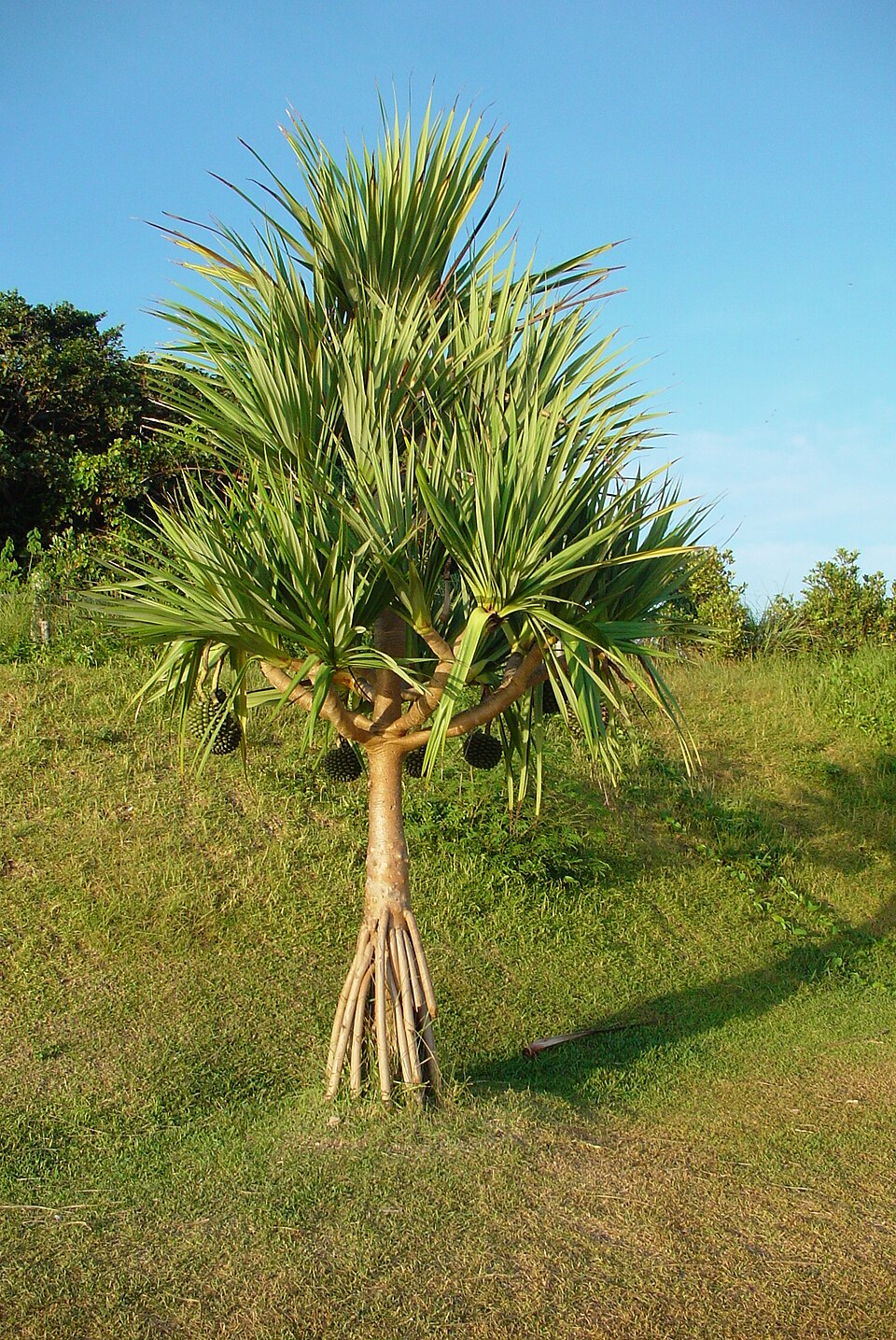 Enlarge ↗
Instagram posts from Okinawa (from official accounts)
There are no posts linked to this place yet. Posts from the prefecture's official accounts are shown, rotating every minute.