


Overview
No buildings: a grove or a rock is the sacred place, marked by nothing but a stone incense holder - hundreds of them across the islands.
About this place
Utaki (Okinawan: 御嶽) is an Okinawan term for a sacred place, often a grove, cave, or mountain. They are central to the Ryukyuan religion and the former noro priestess system. Although the term utaki is used throughout the Ryukyu Islands, the terms suku and on are heard in the Miyako and Yaeyama regions respectively. Utaki are usually located on the outskirts of villages and are places for the veneration of gods and ancestors. Most gusuku have places of worship, and it is theorized that the origins of both gusuku and utaki are closely related. These places usually face east, due to the mythical origin of the gods and spirits in the East, or southeast, south, or southwest in a few places. There are different theories about these places' origins. One reasonable explanation is that they were created by the indigenous people from the Jōmon period. Another, racialist theory was they were created from scratch by the Yamato people, which lead in the 1930s and 1940s to re-consecration and building new Shinto temples on the islands.
Source: Wikipedia (CC BY-SA 4.0)
Source ja.wikipedia.org ↗Key facts
Founded / opened:Ancient times Highlights / collection:Sanctuary without buildings, Only an incense burner and a place of prayer Genre:Architecture, Outdoor art and land art
Source ja.wikipedia.org ↗Before you go
Three questions from the World Question Box that relate to this entry.
Contributions
Corrections, first-hand notes, opening hours and translations from visitors and residents, checked before publishing.
Contribute about this place →More in Architecture


Check before you visit · References
The original sources are listed here. Confirm opening hours, whether visits are accepted, fees and access with the latest official information.
Crafts and specialties of this prefecture
Written by Value Village from public sources. Nothing here is reproduced from another site. Languages: ja / en
Photos of Okinawa
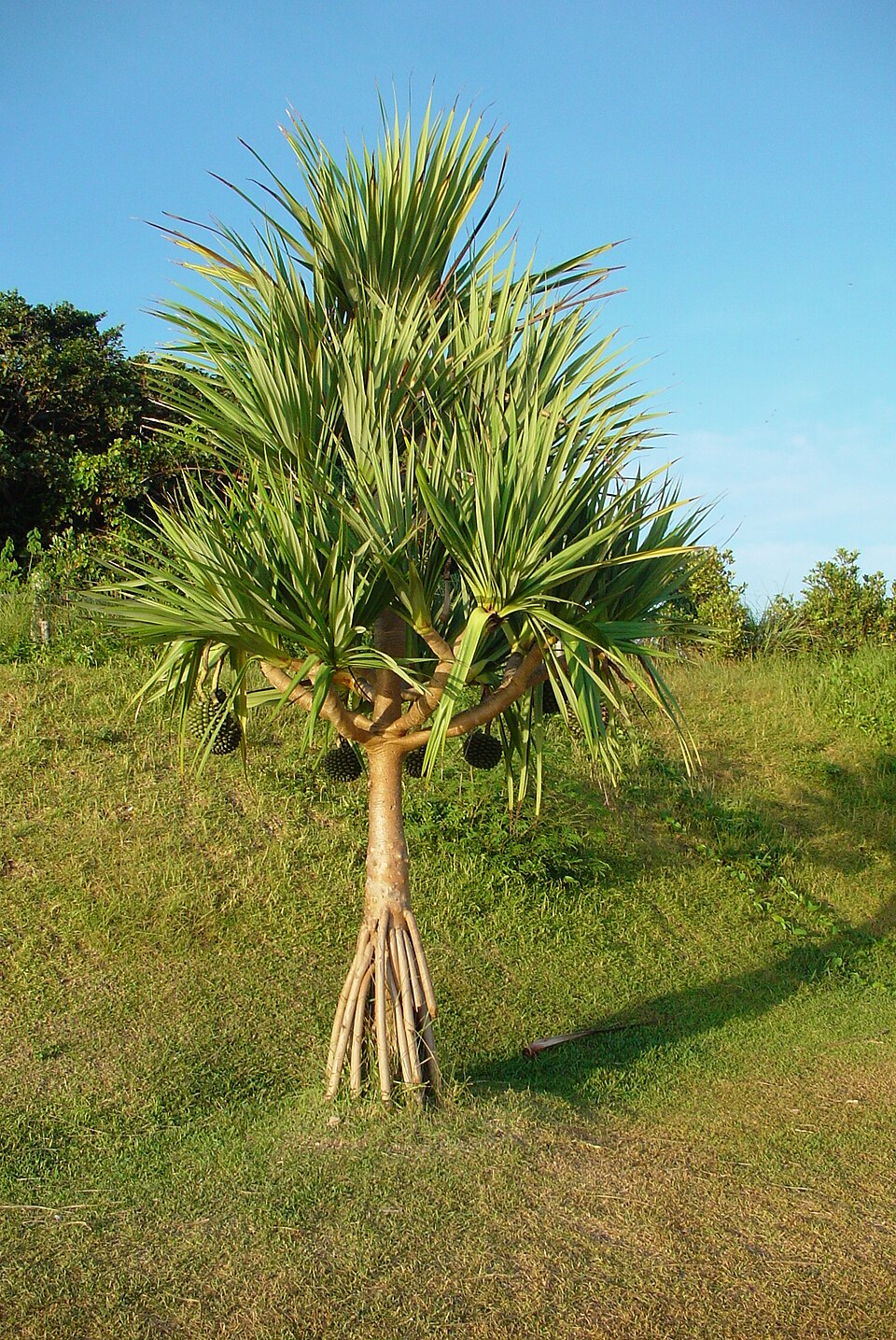
Reference photos of the region related to this entry. They are not photos of the listed facility or product.
 Enlarge ↗
Instagram posts from Okinawa (from official accounts)
There are no posts linked to this place yet. Posts from the prefecture's official accounts are shown, rotating every minute.