
.jpg)
.jpg)
 — · CC0
,_M.C._2529(2).jpg)
,_M.C._2529(3).jpg)
,_M.C._2529.jpg)
.jpg)

Overview
Japanese porcelain began when a Korean potter found the right stone here in 1616; within decades it was shipping to Europe.
About this place
Arita ware (Japanese: 有田焼, Hepburn: Arita-yaki) is a broad term for Japanese porcelain made in the area around the town of Arita, in the former Hizen Province, northwestern Kyūshū island. It is also known as Hizen ware (肥前焼, Hizen-yaki) after the wider area of the province. This was the area where the great majority of early Japanese porcelain, especially Japanese export porcelain, was made. In English usage "Arita ware" was traditionally used for the export wares in blue and white porcelain, mostly copying Chinese styles. The wares with added overglaze colours were called Imari ware or (a sub-group) Kakiemon. It is now recognized that the same kilns often made more than one of these types, and "Arita ware" is more often used as a term for all of them. The brightly coloured Kutani ware is another type that is now recognised as coming from around Arita as well as the Kutani itself, and "Kutani-type" is used as a stylistic description.
Source: Wikipedia (CC BY-SA 4.0)
Source ja.wikipedia.org ↗Key facts
Founded / opened:1616 Highlights / collection:Japan's first porcelain, Underglaze blue and overglaze enamels, Kakiemon style Genre:Crafts and ceramics
Source ja.wikipedia.org ↗Before you go
Three questions from the World Question Box that relate to this entry.
Same place in other collections

More in Art & Crafts


Check before you visit · References
The original sources are listed here. Confirm opening hours, whether visits are accepted, fees and access with the latest official information.
Crafts and specialties of this prefecture
Written by Value Village from public sources. Nothing here is reproduced from another site. Languages: ja / en
Photos of Saga
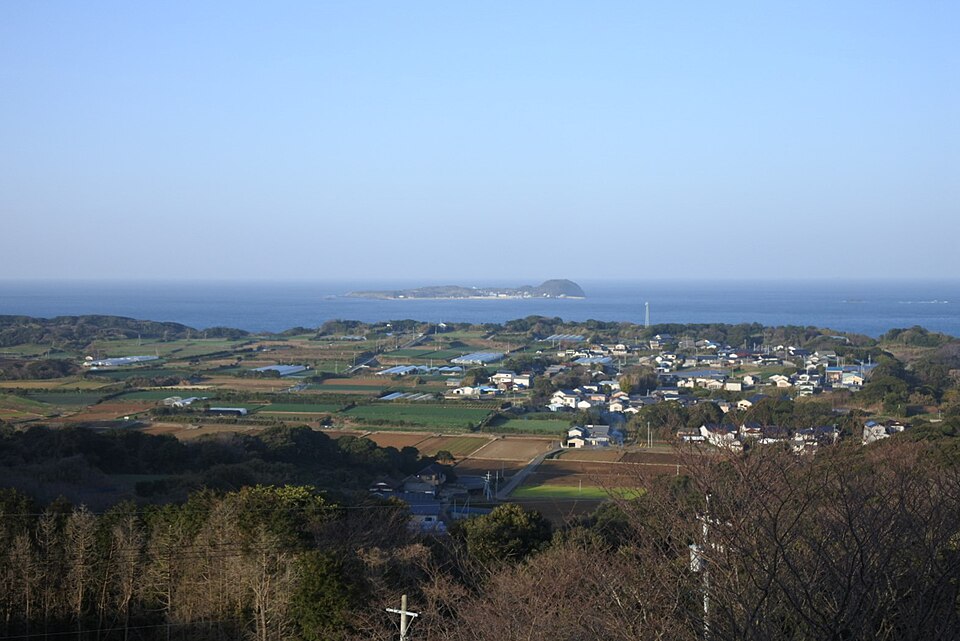
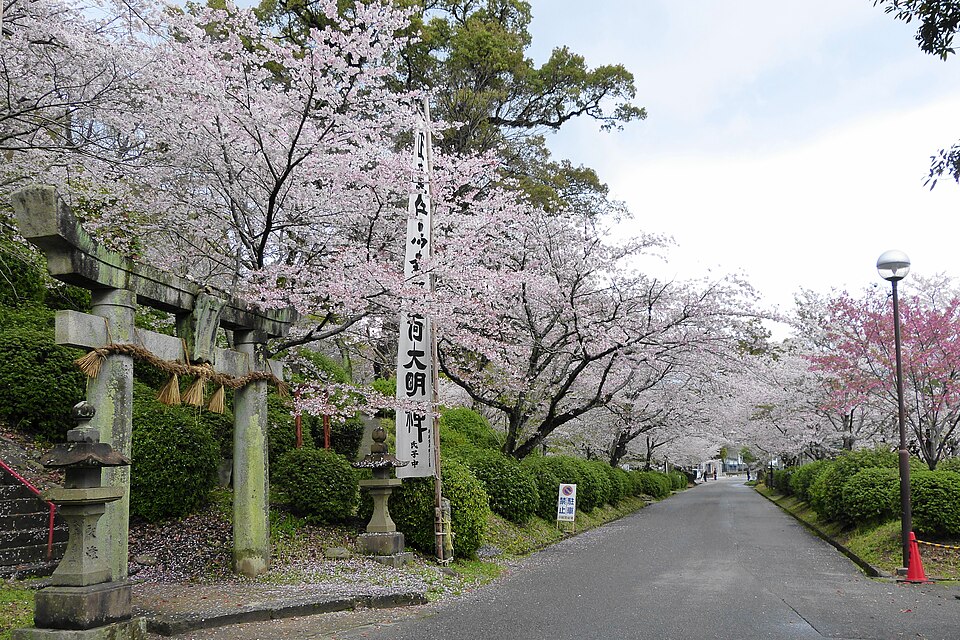
Reference photos of the region related to this entry. They are not photos of the listed facility or product.
 Enlarge ↗
 Enlarge ↗
Instagram posts from Saga (from official accounts)
There are no posts linked to this place yet. Posts from the prefecture's official accounts are shown, rotating every minute.