
 Takeo
Takeo Jinja
The great camphor of Takeo, said to be 3,000 years old, stands deep in the grounds. There is a hollow at its base, and a shrine within it.
See detailsJAPAN
Pottery, hot springs, calm.
NEW What's new
Recently added or updated on this prefecture's page (within 30 days).
Pick a category that interests you and find the trip that suits you.
PICK UP
From entries with clearly licensed photos.
TakeoThe great camphor of Takeo, said to be 3,000 years old, stands deep in the grounds. There is a hollow at its base, and a shrine within it.
See details Ureshino
One of the three great waters for the skin in Japan. Hot-spring yudofu is the local speciality.
See details Saga
The heart of the domain that built Japan's first working reverberatory furnace at the end of the Edo period.
See details Takeo
A great camphor said to be 3,000 years old. There is a hollow at its base, with a shrine inside.
See detailsIntroduced by city, ward, town and village within the prefecture.
 FEATURESaga now (autumn)The Saga International Balloon Fiesta fills the autumn sky with color.See the feature Peka · CC BY-SA 4.0
Check information useful for planning, for a fuller trip.
JAPAN GUIDE
No worries even on a first trip to Japan. Useful things to know, explained clearly.
See all guidesThe answer The common misunderstanding is that an IC card is only a train ticket. It is a prepaid e-money card…
Read the answer →The answer The common misunderstanding is that a big suitcase can simply go in a locker. Most lockers are for …
Read the answer →The answer The common misunderstanding is that Japan is a year-round destination with even demand. Three domes…
Read the answer →REGIONAL SPECIALTIES
It is not only the big cities. The regions are full of charm, and special experiences you can only have in each place are waiting.
ValueVillage Directory
Japan's value, to the world. A directory of makers across all 47 prefectures — culture, tradition, food, sightseeing, nature and people — built for overseas businesses. As a trading company, we handle introductions, confirmation of terms, liaison, quotations and samples, sourcing from Japan, and purchasing on your behalf.
Open the directory · Send a request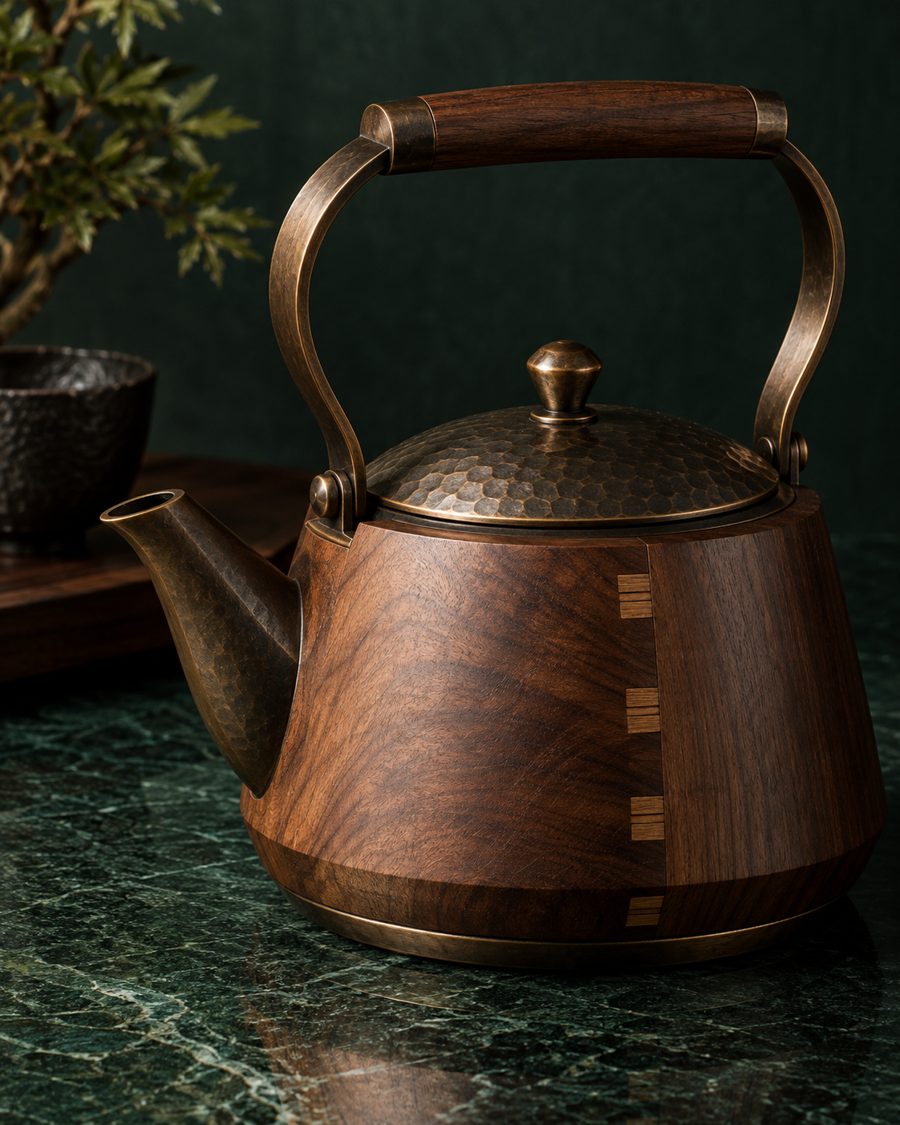
INSTAGRAM / 6
Local governments, tourism accounts and local posts are shown with official embeds. Photos are not stored on Value Village; they link to the original posts.
THINGS TO DO / 6
Choose from what you can only do here.
 01Tour Arita PotteriesVisit historic kilns and shops to discover Arita's celebrated porcelain.See related entries →總統府 · CC BY 2.0
 02Discover Imari WareExplore the kilns and stone lanes of Okawachiyama's pottery village.See related entries →Anonymous (Arita)Unknown author · CC003Soak in Ureshino OnsenEnjoy the silky hot-spring water and local onsen tofu.See related entries →Totti · CC BY-SA 4.0
 04Walk Yobuko Morning MarketBrowse the harbor market for fresh squid and local seafood.See related entries →そらみみ · CC BY-SA 4.0
 05Visit Yutoku Inari ShrineAdmire the vivid vermilion halls and views from the hillside shrine.See related entries →そらみみ · CC BY-SA 4.0
 06Explore YoshinogariStep into Yayoi-period life at this reconstructed moated settlement.See related entries →Pekachu · CC BY-SA 4.0
NEED TO KNOW
BEST TIME TO TRAVEL
 Pekachu · CC BY-SA 4.0
Seasonal flowers at Mifuneyama Rakuen and fresh greenery enliven the landscape.
See recommendations for this season → Pekachu · CC BY-SA 4.0
Explore the Ariake tidal flats and the dramatic seascape of Nanatsugama.
See recommendations for this season →Peka · CC BY-SA 4.0The Saga International Balloon Fiesta fills the autumn sky with color.
See recommendations for this season → ハポニアラ · CC BY 4.0
Relax in Takeo and Ureshino hot springs and savor seasonal Takezaki oysters.
See recommendations for this season →LOCAL FOOD / 12
What people have long eaten in this place. We collect the dishes themselves, not restaurants.
Crucian carp wrapped in kombu is arranged in a large pot together with daikon, burdock, lotus root and konjac, then simmered for a long time in strained miso broth with sugar and soy sauce. Even the bones turn soft, so the fish is eaten whole.
Area:Kashima, throughout the prefecture
Source:Ministry of Agriculture, Forestry and Fisheries (MAFF)
Pressed sushi made by packing vinegared rice into a wooden box, cutting it into squares, and placing on each piece grilled mudskipper glazed in sweet soy sauce, sweet-savory simmered shiitake mushrooms, burdock, carrot and shredded thin omelet.
Area:Shiroishi
Source:Ministry of Agriculture, Forestry and Fisheries (MAFF)
Tofu made by adding kudzu or other starch to soy milk instead of nigari and stirring it until it sets, served with a sauce of dashi, soy sauce and ground sesame. It has a chewy texture.
Area:Arita
Source:Ministry of Agriculture, Forestry and Fisheries (MAFF)
Squid that has been blanched and cut into strips is dressed, together with daikon, carrot and cucumber rubbed with salt, in a vinegared miso sauce of ground sesame, miso, sugar and vinegar.
Area:Throughout the prefecture
Source:Ministry of Agriculture, Forestry and Fisheries (MAFF)
Mudskippers caught on the tidal flats of the Ariake Sea are skewered and grilled plain over charcoal, then simmered in a broth of sugar, soy sauce and sake until the liquid has cooked away.
Area:Ariake Sea coastal area
Source:Ministry of Agriculture, Forestry and Fisheries (MAFF)
Warasubo eel gobies from the Ariake Sea are cut into chunks and gutted, rubbed and washed with salt, then stir-fried, simmered in dashi, and finished with miso stirred in. Green onion or garlic chives are scattered over the soup.
Area:Ariake Sea coastal area
Source:Ministry of Agriculture, Forestry and Fisheries (MAFF)
Sole, called kuchizoko in Saga, simmered in a broth of soy sauce, sake, mirin and sugar brought to a boil. Burdock and leafy greens are added and simmered until they take on the flavor.
Area:Ariake Sea coast
Source:Ministry of Agriculture, Forestry and Fisheries (MAFF)
Chicken, burdock, carrot, taro, konjac and lotus root are cut into small, evenly sized pieces and simmered in dashi, lightly seasoned with salt and light soy sauce, and thickened with potato starch.
Area:Karatsu, Hamatama
Source:Ministry of Agriculture, Forestry and Fisheries (MAFF)
Bite-sized pieces of chicken are stir-fried in oil, then lotus root, burdock, taro, konjac, carrot and dried shiitake mushrooms are added, and everything is simmered until the flavor soaks in, using the shiitake soaking liquid with soy sauce, sugar, sake and mirin.
Area:Throughout the prefecture
Source:Ministry of Agriculture, Forestry and Fisheries (MAFF)
A simple sweet made by kneading wheat flour with boiling water, tearing the dough into pieces, boiling them, draining them and coating them with brown sugar. It is sometimes made with rice flour and eaten with sugar and soy sauce.
Area:Throughout the prefecture
Source:Ministry of Agriculture, Forestry and Fisheries (MAFF)
Dried noodles such as Kanzaki somen are boiled in plenty of water, then chilled in ice water to firm them and rinse away the sliminess, and eaten with a broth of dashi, soy sauce and mirin, served with ginger, myoga and green shiso.
Area:Kanzaki
Source:Ministry of Agriculture, Forestry and Fisheries (MAFF)
A large saw-edged perch stuffed with daikon is placed in a big pot and cooked whole over a full day, with a broth of soy sauce, sake, sugar and mirin ladled over it. It is the dish served at the Karatsu Kunchi festival.
Area:Karatsu
Source:Ministry of Agriculture, Forestry and Fisheries (MAFF)
MICHI-NO-EKI / 11
Rest facilities registered by Japan's national government. Each has parking and toilets open 24 hours, and by definition includes a facility that sells local products. This is where the making and the food of this prefecture can actually be bought.
LOCAL ACCOUNTS / 2
Japanese-language accounts that post about this area.
These are third-party accounts. They are not affiliated with Value Village and this is not an endorsement.
CITIES & TOWNS / 12
Sorted by number of entries. Start from the name of a town.
INTERESTS / 14
Only the interests found in this prefecture.
Yutoku Inari Jinja · そらみみ · CC BY-SA 4.0Yutoku Inari Jinja / Tozan Jinja
To the list Hokuzan Dam · Muneaki · CC BY-SA 3.0
Hokuzan Dam / Kiyomizu Falls
To the listUreshino Onsen · Totti · CC BY-SA 4.0Ureshino Onsen / Takeo Romon
To the list Arita · STA3816 · CC BY-SA 3.0
Arita / Saga Balloon Museum
To the listYoshinogari · Pekachu · CC BY-SA 4.0Yoshinogari / Okawachiyama
To the list Mifuneyama Rakuen · Raita Futo · CC BY 2.0
Mifuneyama Rakuen / Nagoyajo
To the listYoshinogari · Pekachu · CC BY-SA 4.0Yoshinogari / Kyushu Ceramic Museum
To the list Saga Prefectural Art Museum and Museum · Indiana jo · CC BY-SA 4.0
Saga Prefectural Art Museum and Museum / Arita Porcelain
To the list Nanatsugama · Yukiko Yamamoto from flickr · CC BY 2.0
Nanatsugama / Niji no Matsubara
To the list Togami Electric Manufacturing Head Office Factory · ハポニアラ · CC BY 4.0
Togami Electric Manufacturing Head Office Factory / Muraoka Sohonpo Yokan Museum
To the list Saga Castle History Museum · そらみみ · CC BY-SA 4.0
Saga Castle History Museum / Saga Shrine
To the list Karatsu Kunchi · Katainaka · CC BY 3.0
Karatsu Kunchi / Balloon Fiesta
To the list Miyajima Shoyu Myoken Factory · Miyakei2151 · CC BY-SA 4.0
Miyajima Shoyu Myoken Factory / Muraoka Sohonpo Ogi Factory
To the list Todoroki Falls and Todoroki Falls Park · 690 Noda · CC BY 3.0
Todoroki Falls and Todoroki Falls Park / Experience: Shakyō and Takigyō at the Tendai Sect Old Temple Hōjiin
To the listHIGHLIGHTS
From entries with clearly licensed photos.
 Shrines & Temples
A vermilion main hall thrust out from the slope on a kakezukuri frame. It is often counted with Fushimi and Toyokawa among the three great Inari shrines of Japan.
 Festivals
UNESCO Intangible Cultural Heritage. Fourteen lacquer-finished floats move through the town.
 Architecture
A garden backed by Mount Mifune. Known for azaleas and autumn colour.
 Museums
A moated settlement of the Yayoi period. Among the largest in Japan, with traces of ritual.
 Historic DistrictsCastles & History
One of the largest Yayoi moated settlements in Japan. The watchtowers have been reconstructed.
SMILE NEWS / 828
Stories that lift your spirits a little, collected with their sources.
The Imari Nabeshima Gallery is showing an exhibition of Nabeshima ware and Ko-Imari porcelain. It brings together selected pieces of Nabeshima ware and fine Ko-Imari that was exported overseas, mainly to Europe. The exhibition runs until April 18, 2027.
source: Imari CityKashima City in Saga Prefecture has announced the winners of the photo contest held alongside the 29th Kashima Traditional Performing Arts Festival on September 13. The top prize went to 'Dance of the Rich Harvest', with two excellence awards and three honourable mentions also selected.
source: Kashima CityA sea glass art exhibition will run from 5 to 13 December at the Umaimon-no-Yakata hall in Karatsu, Saga Prefecture. Residents of the Takashima Kids dormitory made the works from rubbish washed up on the shore, and admission is free.
source: Karatsu CityNo posts match yet.
Hashtags often used for this area. Each opens the tag page on Instagram.
2026-10-30 ~ 2026-11-03
2026-10-31 ~ 2026-10-31
2026-11-02 ~ 2026-11-04
2026-11-06 ~ 2026-12-06
2026-11-14 ~ 2026-11-29
2026-11-19 ~ 2026-11-23
2026-11-20 ~ 2026-11-24
2026-11-21 ~ 2026-11-21
2026-11-22 ~ 2026-11-22
2026-11-23 ~ 2026-11-23
2026-11-28 ~ 2026-12-13
2026-11-29 ~ 2026-11-29
2026-11-29 ~ 2026-11-29
2026-12-05 ~ 2026-12-05
2026-12-05 ~ 2027-01-11
2026-12-06 ~ 2026-12-06
2026-12-20 ~ 2026-12-20
2027-02-13 ~ 2027-03-14
Saga
BEFORE YOU GO
TRAVEL
Real photos of the region. Select an image to enlarge it.
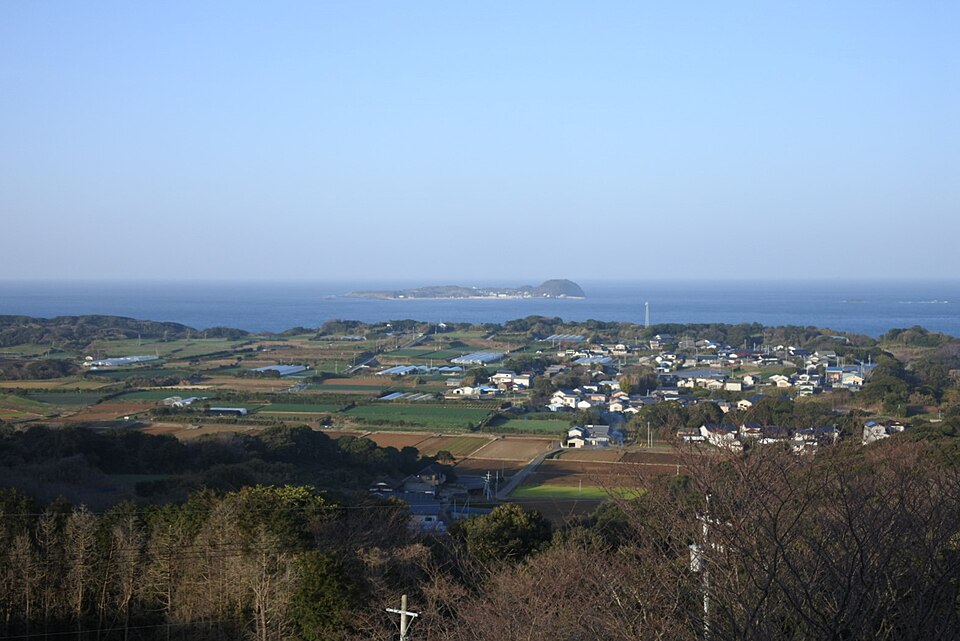 Enlarge ↗
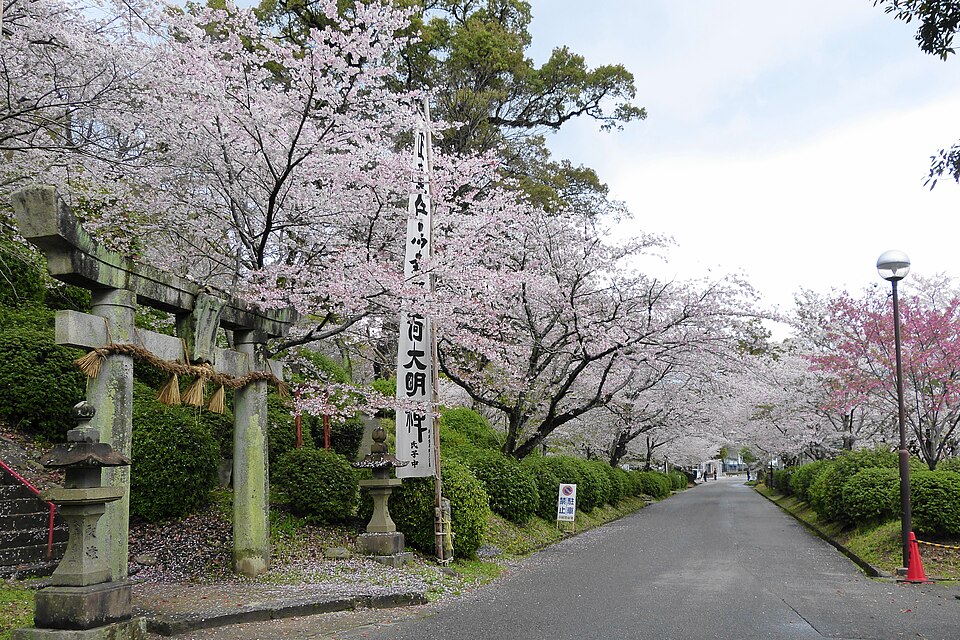 Enlarge ↗
Scenery you have never seen, flavors you never knew, people you would never otherwise meet. A journey to feel this beautiful Japan closer.
Start the journey


