


 — · Public domain
Overview
Its milk-white body and sparing use of colour were copied across Europe and shaped Meissen's own style.
About this place
Kakiemon (Japanese: 柿右衛門様式, Hepburn: Kakiemon yōshiki) is a style of Japanese porcelain, with overglaze decoration called "enameled" ceramics. It was originally produced at the kilns around Arita, in Japan's Hizen province (today, Saga Prefecture) from the Edo period's mid-17th century onwards. The quality of its decoration was highly prized in the West and widely imitated by major European porcelain manufacturers during the Rococo period. Kakiemon is a term that generates some confusion, being the name of a family, one or more kilns, and a brightly-coloured overglaze style. The style originated with the family, whose kilns were the main producers of it, but other kilns also made it, and the Kakiemon kilns made other styles. Both the palette and style, and very probably the kiln, were in place by the 1680s. The style is a sub-type of what is called in the West Imari ware, the overglaze coloured variety of the broader grouping Arita ware, dominant in Japanese export porcelain in its first successful period, up to the 1740s. The style was quickly copied by the new European porcelain factories that appeared in the 18th century, such as Meissen in Germany, Chantilly in France and Chelsea in England. The Chinese also began to copy the style for Chinese export porcelain. By about 1760 it had largely fallen from fashion in Europe.
Source: Wikipedia (CC BY-SA 4.0)
Source ja.wikipedia.org ↗Key facts
Founded / opened:1640s Highlights / collection:Milky white of nigoshide, Enamelled colours using blank space Genre:Crafts and ceramics
Source ja.wikipedia.org ↗Official website
Check the official website for current opening hours, fees and closing days.
Source kakiemon.co.jp ↗Before you go
Three questions from the World Question Box that relate to this entry.
Same place in other collections

More in Art & Crafts


Check before you visit · References
The original sources are listed here. Confirm opening hours, whether visits are accepted, fees and access with the latest official information.
Crafts and specialties of this prefecture
Written by Value Village from public sources. Nothing here is reproduced from another site. Languages: ja / en
Photos of Saga
Reference photos of the region related to this entry. They are not photos of the listed facility or product.
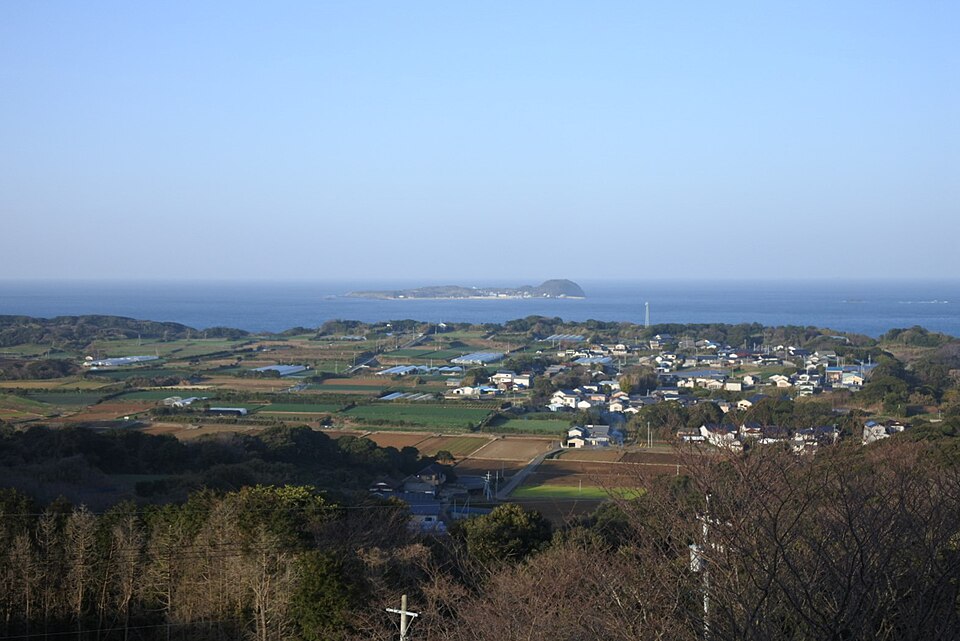 Enlarge ↗
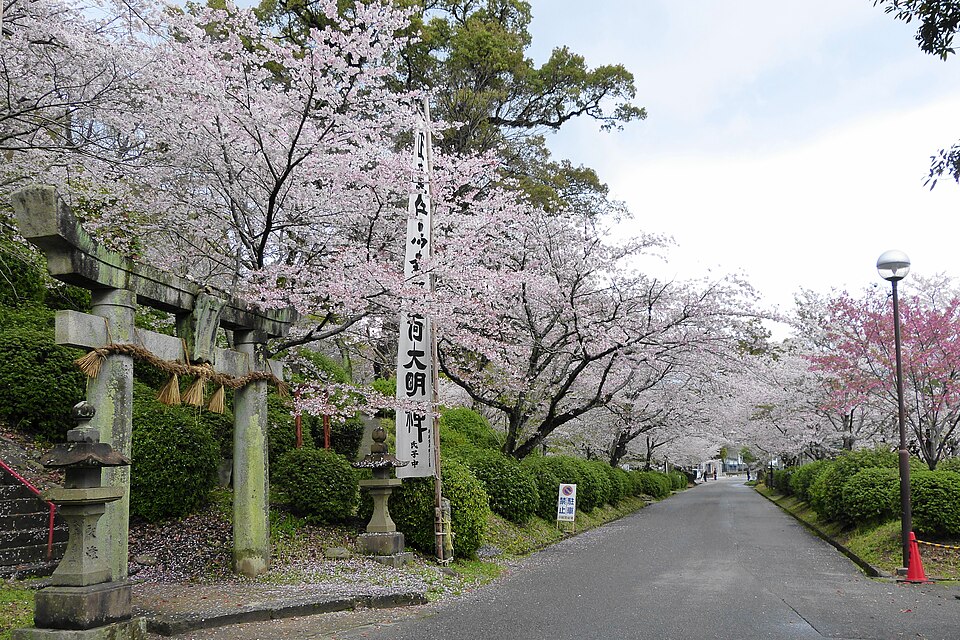 Enlarge ↗
Instagram posts from Saga (from official accounts)
There are no posts linked to this place yet. Posts from the prefecture's official accounts are shown, rotating every minute.