
.jpg) — · CC BY-SA 2.0
— · CC BY-SA 2.0
Overview
Made as presentation and gift ware, never for sale, so nothing was compromised; red, yellow and green are layered over underglaze blue, and even the underside and foot ring follow a fixed standard.
About this place
Nabeshima ware (鍋島, Nabeshima) is a group of high-grade Japanese porcelain produced under the direct patronage and administration of the Saga Domain, ruled by the Nabeshima clan, during the Edo period. Production became centred at the domain kiln at Ōkawachiyama in the 17th century. Unlike most porcelain made by the commercial kilns of the Hizen region, Nabeshima ware was produced principally for presentation to the Tokugawa shogunate, for gifts to other daimyō, and for use within the Nabeshima household. Its production was tightly controlled and was not intended for sale on the general market. Nabeshima ware includes underglaze-blue, celadon, iron-glazed and polychrome overglaze-enamelled porcelains. It is particularly associated with precisely formed dishes in standardised sizes, technically controlled decoration and designs drawing upon Japanese textiles, paintings and the natural world. The vessels were not merely decorative objects but formed part of the tableware used by Japan's ruling classes. The Agency for Cultural Affairs describes the polychrome tradition known as iro-Nabeshima as especially important in the history of Japanese decorative arts, while individual works from the height of Nabeshima production have been designated Important Cultural Properties. The domain kiln was abolished in 1871 following the abolition of the domain system. Its polychrome techniques were subsequently reorganised and transmitted by the Imaizumi Imaemon family, whose workshop had form
Source: Wikipedia (CC BY-SA 4.0)
Source ja.wikipedia.org ↗Key facts
Founded / opened:1600s Highlights / collection:Three colours of red, yellow and green, Back patterns and comb-tooth foot rings Genre:Crafts and ceramics
Source ja.wikipedia.org ↗Before you go
Three questions from the World Question Box that relate to this entry.
More in Art & Crafts


Check before you visit · References
The original sources are listed here. Confirm opening hours, whether visits are accepted, fees and access with the latest official information.
Crafts and specialties of this prefecture
Written by Value Village from public sources. Nothing here is reproduced from another site. Languages: ja / en
Photos of Saga
Reference photos of the region related to this entry. They are not photos of the listed facility or product.
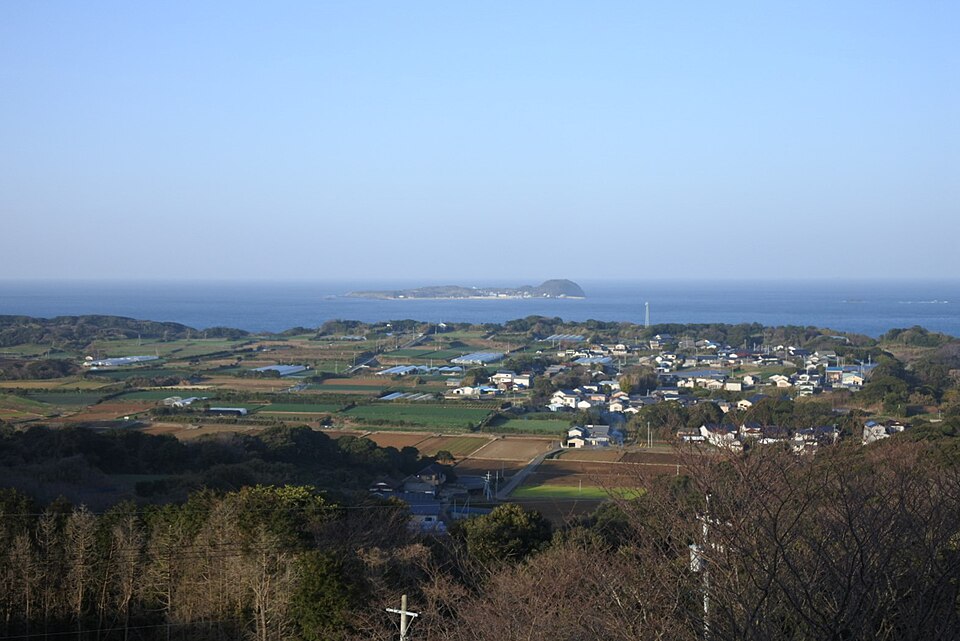 Enlarge ↗
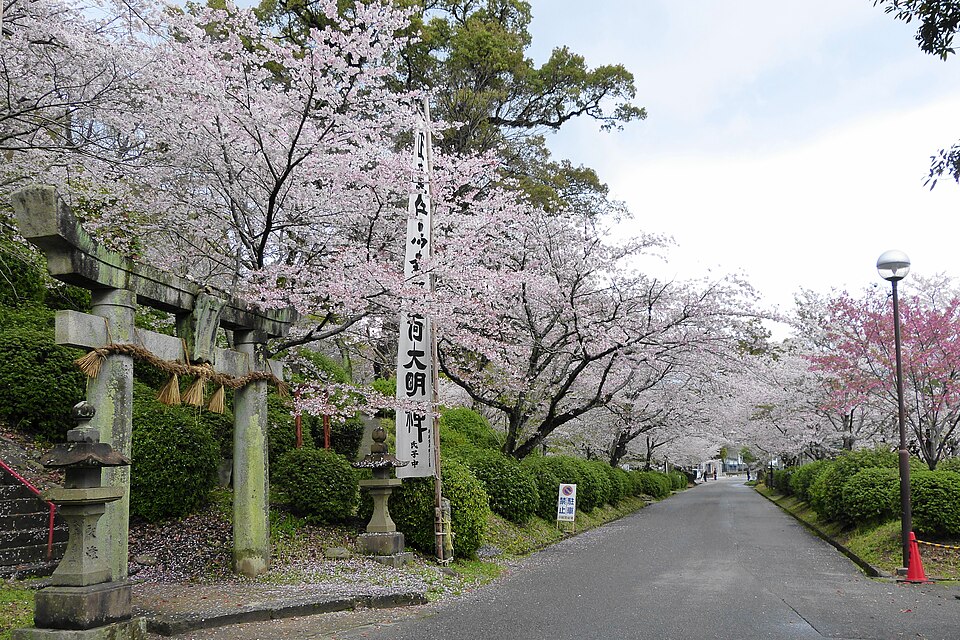 Enlarge ↗
Instagram posts from Saga (from official accounts)
There are no posts linked to this place yet. Posts from the prefecture's official accounts are shown, rotating every minute.