

 — · Public domain
.jpg)
Overview
Flat tiles fixed to the wall with plaster ridged over the joints - fireproofing that became a black-and-white grid.
About this place
Namako wall or Namako-kabe (sometimes misspelled as Nameko) is a Japanese wall design widely used for vernacular houses, particularly on fireproof storehouses by the latter half of the Edo period. The namako wall is distinguished by a white grid pattern on black slate. Geographically, it was most prominent in parts of western Japan, notably the San'in region and San'yō region and, from the 19th century, further east, in the Izu Peninsula.
Source: Wikipedia (CC BY-SA 4.0)
Source ja.wikipedia.org ↗Key facts
Founded / opened:Edo period Highlights / collection:Wall of flat tiles with raised plaster joints, Port town of Perry's arrival Genre:Architecture
Source ja.wikipedia.org ↗Before you go
Three questions from the World Question Box that relate to this entry.
More in Architecture


Check before you visit · References
The original sources are listed here. Confirm opening hours, whether visits are accepted, fees and access with the latest official information.
Crafts and specialties of this prefecture
Written by Value Village from public sources. Nothing here is reproduced from another site. Languages: ja / en
Photos of Shizuoka
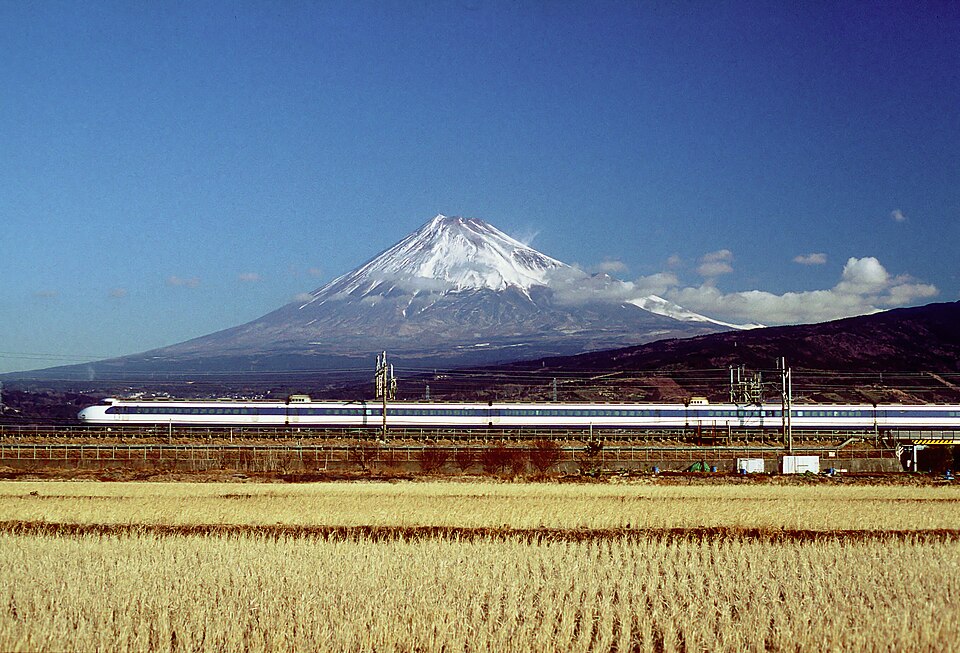
Reference photos of the region related to this entry. They are not photos of the listed facility or product.
 Enlarge ↗
Instagram posts from Shizuoka (from official accounts)
There are no posts linked to this place yet. Posts from the prefecture's official accounts are shown, rotating every minute.