
Overview
Hills washed away to extract iron sand left stepped terrain - proof that ironmaking reshaped the land itself.
About this place
Kanna-nagashi is a method of collecting iron sand carried out on a large scale in the San'in region of Chugoku in the Edo period. Iron sand mixed in rock and soil is separated from the earth and sand using the breaking force of the flow of rivers and channels, and only the iron sand is taken out by the difference in specific gravity. The iron sand taken out was mainly used as raw material for tatara ironmaking. Around the end of the Jomon period, iron tools were brought to the Japanese archipelago from the continent, and at the beginning of the Yayoi period, Japan came to process iron tools domestically, while still relying on imports for iron material.
Source: Wikipedia (CC BY-SA 4.0)
Source ja.wikipedia.org ↗Key facts
Founded / opened:Edo period Highlights / collection:Site where iron sand was gathered, Terraced slope Genre:Outdoor art and land art, Metalwork
Source ja.wikipedia.org ↗Before you go
Three questions from the World Question Box that relate to this entry.
More in Contemporary Art


Check before you visit · References
The original sources are listed here. Confirm opening hours, whether visits are accepted, fees and access with the latest official information.
Crafts and specialties of this prefecture
Written by Value Village from public sources. Nothing here is reproduced from another site. Languages: ja / en
Photos of Tottori
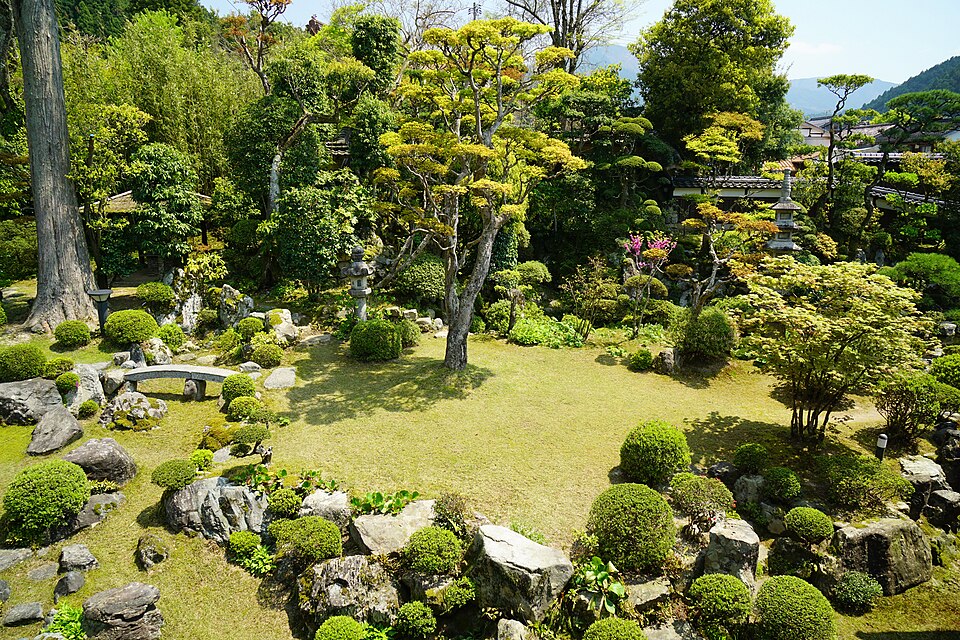
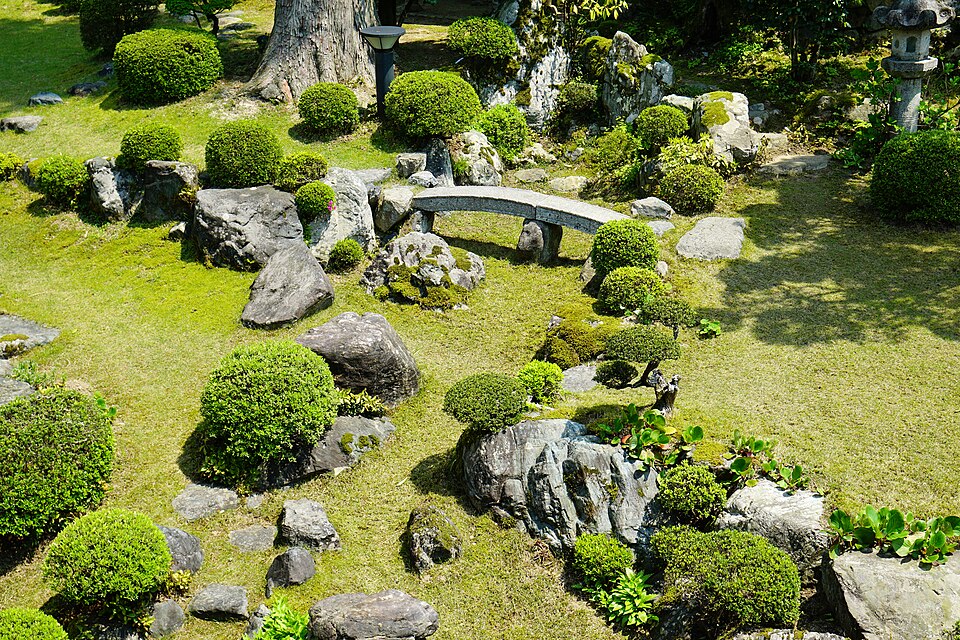
Reference photos of the region related to this entry. They are not photos of the listed facility or product.
 Enlarge ↗
 Enlarge ↗
Instagram posts from Tottori (from official accounts)
There are no posts linked to this place yet. Posts from the prefecture's official accounts are shown, rotating every minute.