Overview
Sliding-door paintings by Ito Jakuchu survive here.
About this place
Kotohira-gū (金刀比羅宮) (also known by the nickname Konpira-san (こんぴらさん) or Konpira Shrine in English) is a Shinto shrine in the town of Kotohira in Kagawa Prefecture, Japan. Prior to the separation of Shinto and Buddhism in the Meiji era, its name was Konpira Daigongen (金毘羅大権現). The shrine is believed to be a guardian of sailors and fishermen, though its faith also has aspects of mountain worship due to its location on the holy Mount Zōzu. The shrine's principal kami is Ōmononushi, and the shrine is also dedicated to Emperor Sutoku. It is the head shrine of a network of approximately 600 Kotohira shrines throughout the country. The shrine is famous for the long staircase leading up to the shrine, with 785 steps from the town below to the main shrine which is 251 meters above sea level and another 583 steps to the inner shrine which is 421 meters above sea level for a total of 1,368 steps. When the economic conditions of the Muromachi period allowed commoners to begin traveling, trips to shrines started to become more common. Hundreds of thousands of visitors were making their way every year to Kotohira-gū (then Konpira Daigongen) in the Edo period. A 2023 study by the Kagawa Prefecture Tourism Association found that while the number of visitors to the shrine stayed around three million per year in the early 2000s, this number declined during the COVID pandemic, though it rebounded to nearly two million in 2022.
Source: Wikipedia (CC BY-SA 4.0)
Source ja.wikipedia.org ↗Key facts
Founded:1657 Designation:Important Cultural Property Blessings:Performing arts
Source ja.wikipedia.org ↗Official website
Check the official website for current opening hours, fees and closing days.
Source konpira.or.jp ↗Before you go
Three questions from the World Question Box that relate to this entry.
More in Shrines & Temples
 KagawaShrines & Temples
Kotohiragu
 KagawaShrines & Temples
Zentsuji
 KagawaShrines & Temples
Yashimaji
 KagawaShrines & Temples
Tamura Jinja
 KagawaShrines & Temples
Negoroji
 KagawaShrines & Temples
Izutama Jinja
Check before you visit · References
The original sources are listed here. Confirm opening hours, whether visits are accepted, fees and access with the latest official information.
Crafts and specialties of this prefecture
Written by Value Village from public sources. Nothing here is reproduced from another site. Languages: ja / en / zh
Photos of Kagawa
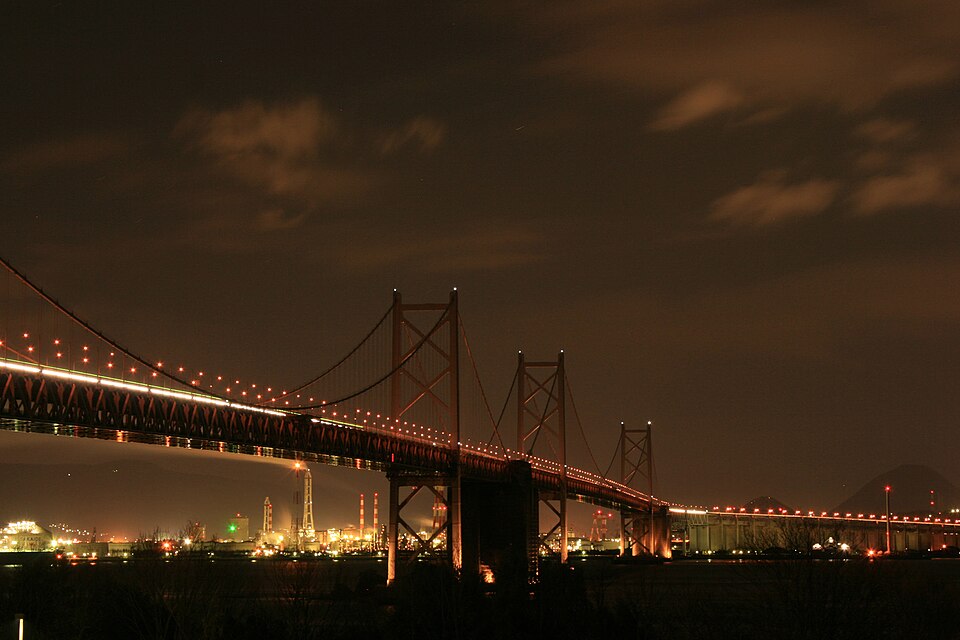
Reference photos of the region related to this entry. They are not photos of the listed facility or product.
 Enlarge ↗
Instagram posts from Kagawa (from official accounts)
There are no posts linked to this place yet. Posts from the prefecture's official accounts are shown, rotating every minute.