Value Village
Japan travel guides
Learn, choose, plan. Bring local culture into your trip.
Find dates for fireworks and festivals →
Aomori
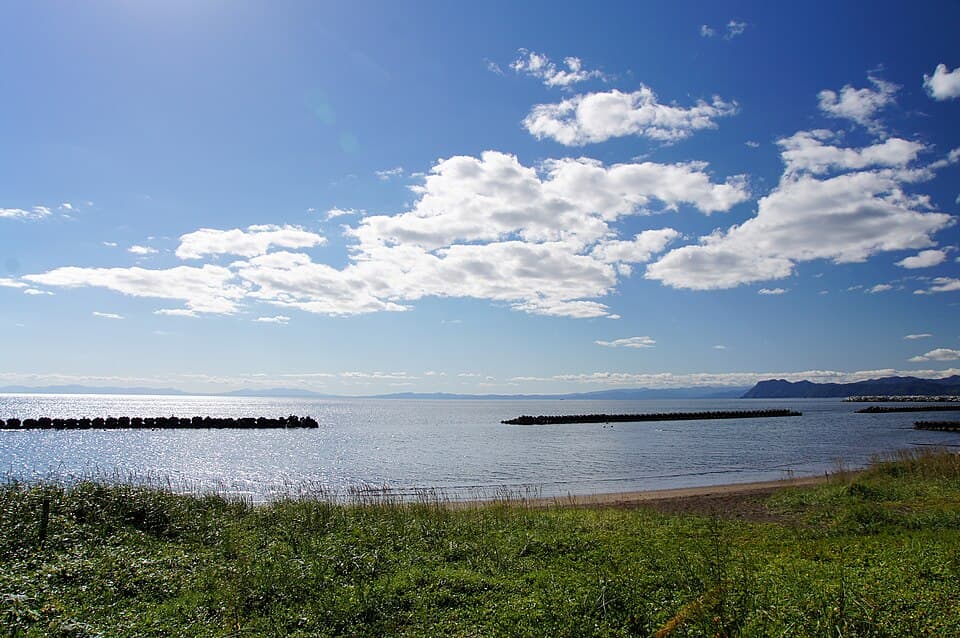
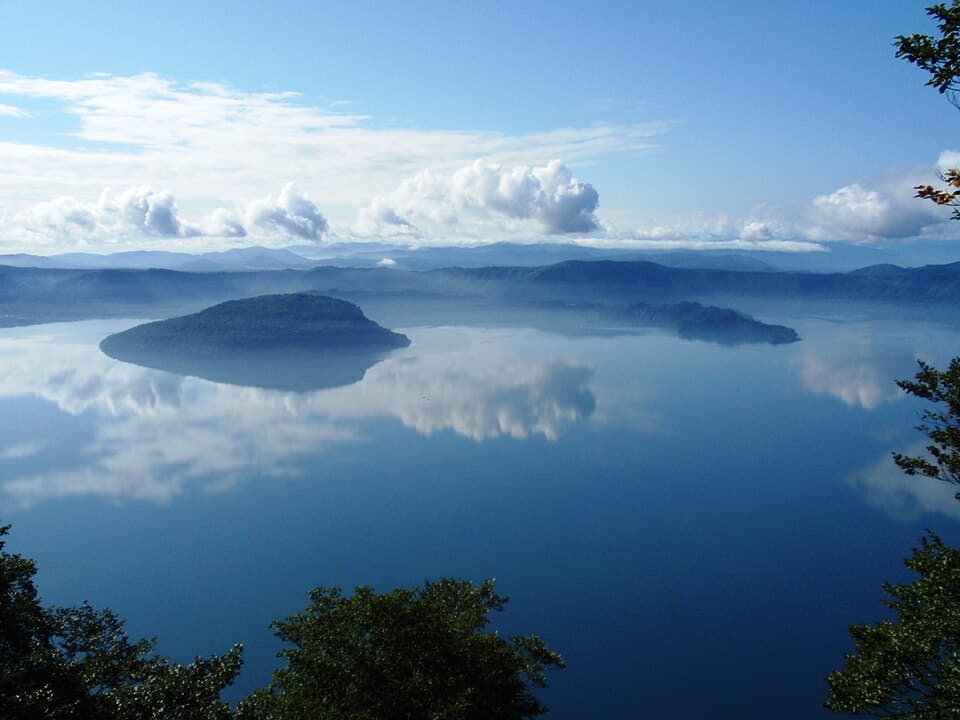
About 60% of all Japanese apples come from Aomori. Osorezan, one of the three great sacred grounds; Iwakiyama Jinja, which worships the mountain itself; the World Heritage sites of Shirakami-Sanchi and Sannai-Maruyama; and Tsugaru lacquer. Aomori, set out category by category.
View the travel guide →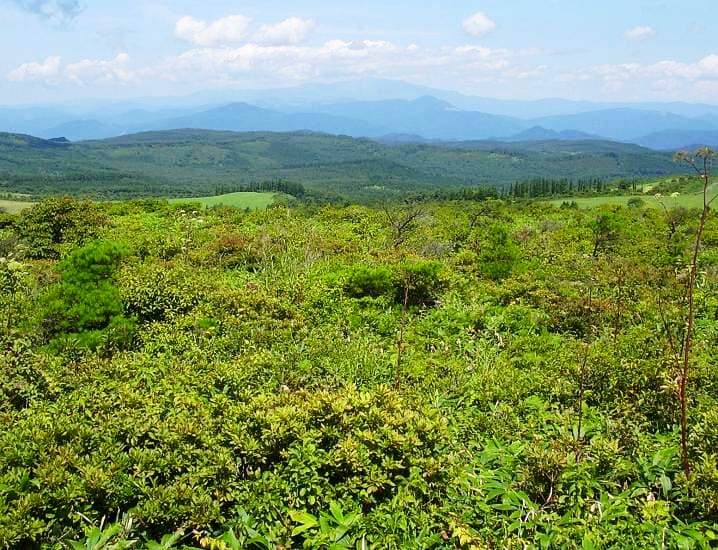
Iwate
The National Treasure Konjikido at Chusonji, the Pure Land garden of Motsuji, and the World Heritage site of Hiraizumi. Nanbu ironware, Joboji as the main source of domestic lacquer, and Sanriku wakame. Iwate, set out category by category.
View the travel guide →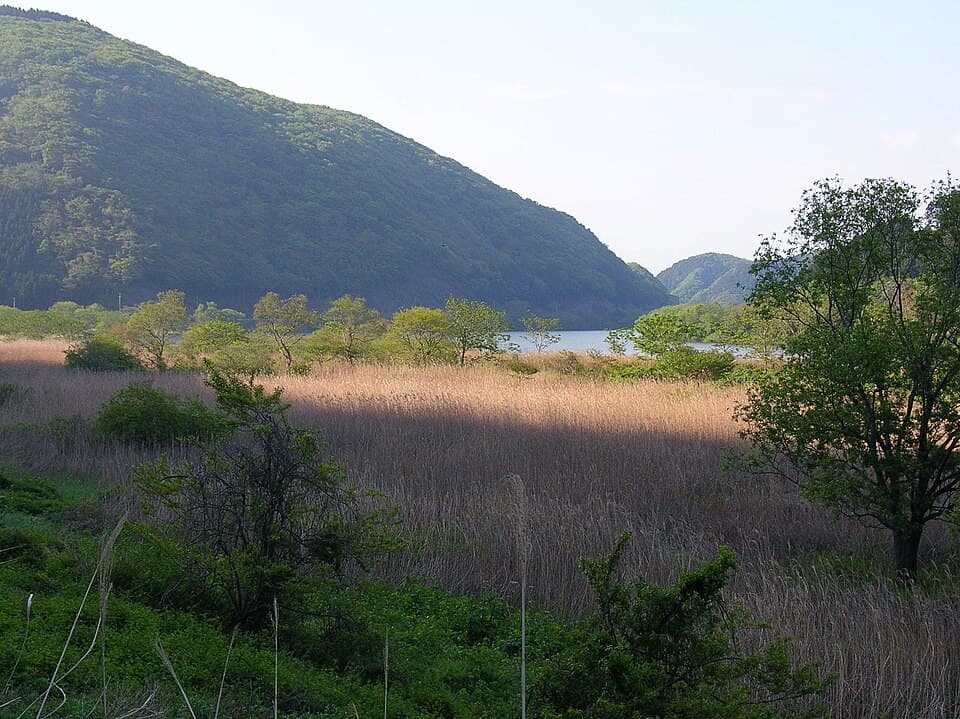
Miyagi
Shiogama Jinja, first shrine of Mutsu Province, and the National Treasures of Osaki Hachimangu and Zuiganji. Beef tongue, sasa-kamaboko and zunda, the three great views at Matsushima, and Ogatsu inkstones. Miyagi, set out category by category.
View the travel guide →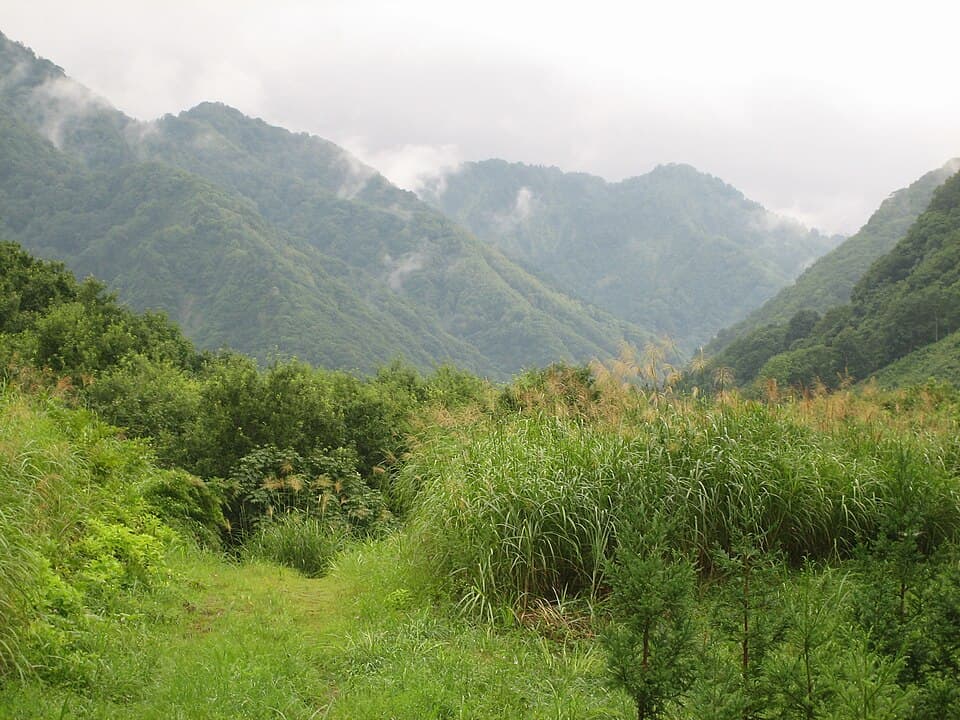
Akita
Chokaisan Omonoimi Jinja, whose inner shrine sits on the Akita-Yamagata border, and Shinzan Jinja, known for its fire-walking rite. Akitakomachi rice and sake, kiritanpo, the namahage, Kakunodate, and kaba-zaiku worked from cherry bark. Akita, set out category by category.
View the travel guide →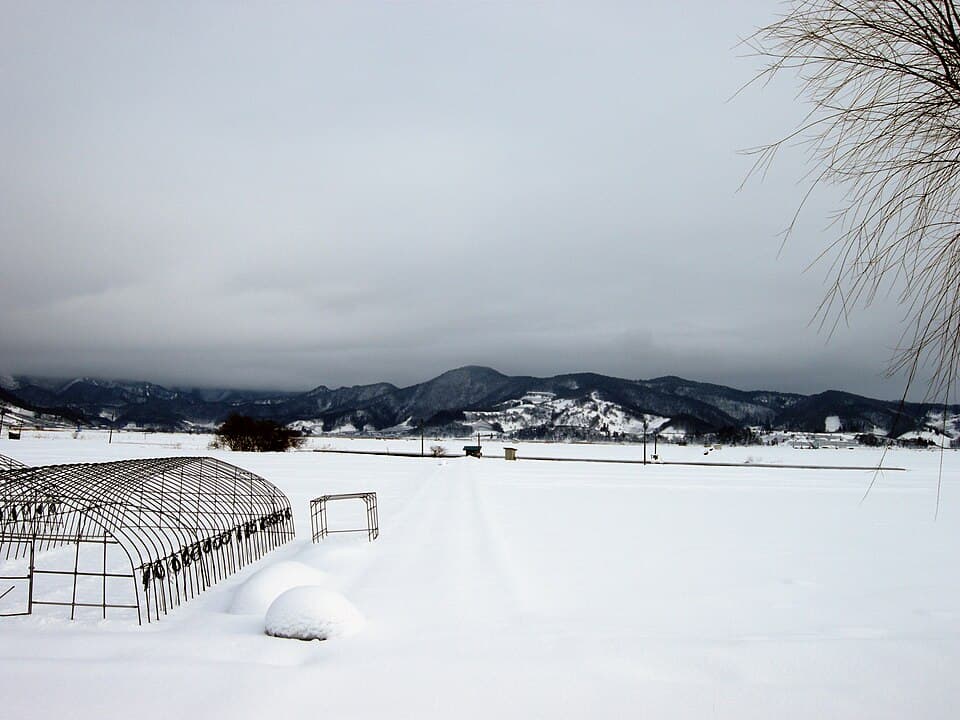
Yamagata
The three mountains of Dewa, walked as present, past and future. The 1,015 steps at Yamadera, about 70% of Japan's cherries, the frost-covered trees of Zao, and Tendo shogi pieces. Yamagata, set out category by category.
View the travel guide →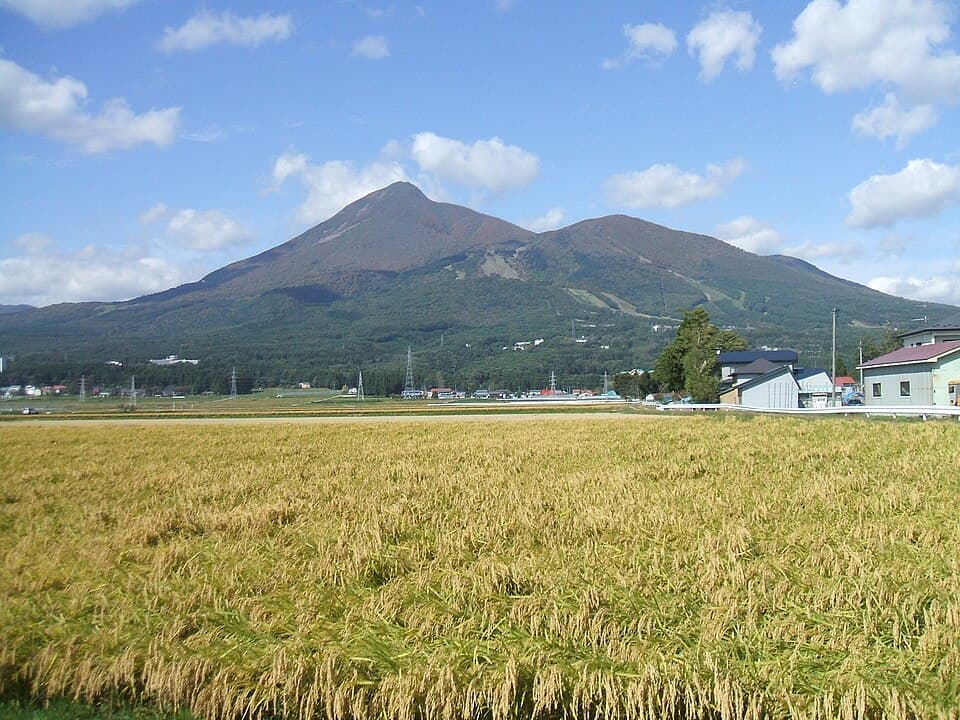
Fukushima
The Sazaedo, a double helix where the way up and the way down never meet, and Isasumi Jinja, first shrine of Iwashiro Province. Peaches among the highest yields in Japan, Ouchi-juku, the red-tiled Tsuruga Castle, and Aizu lacquerware. Fukushima, set out category by category.
View the travel guide →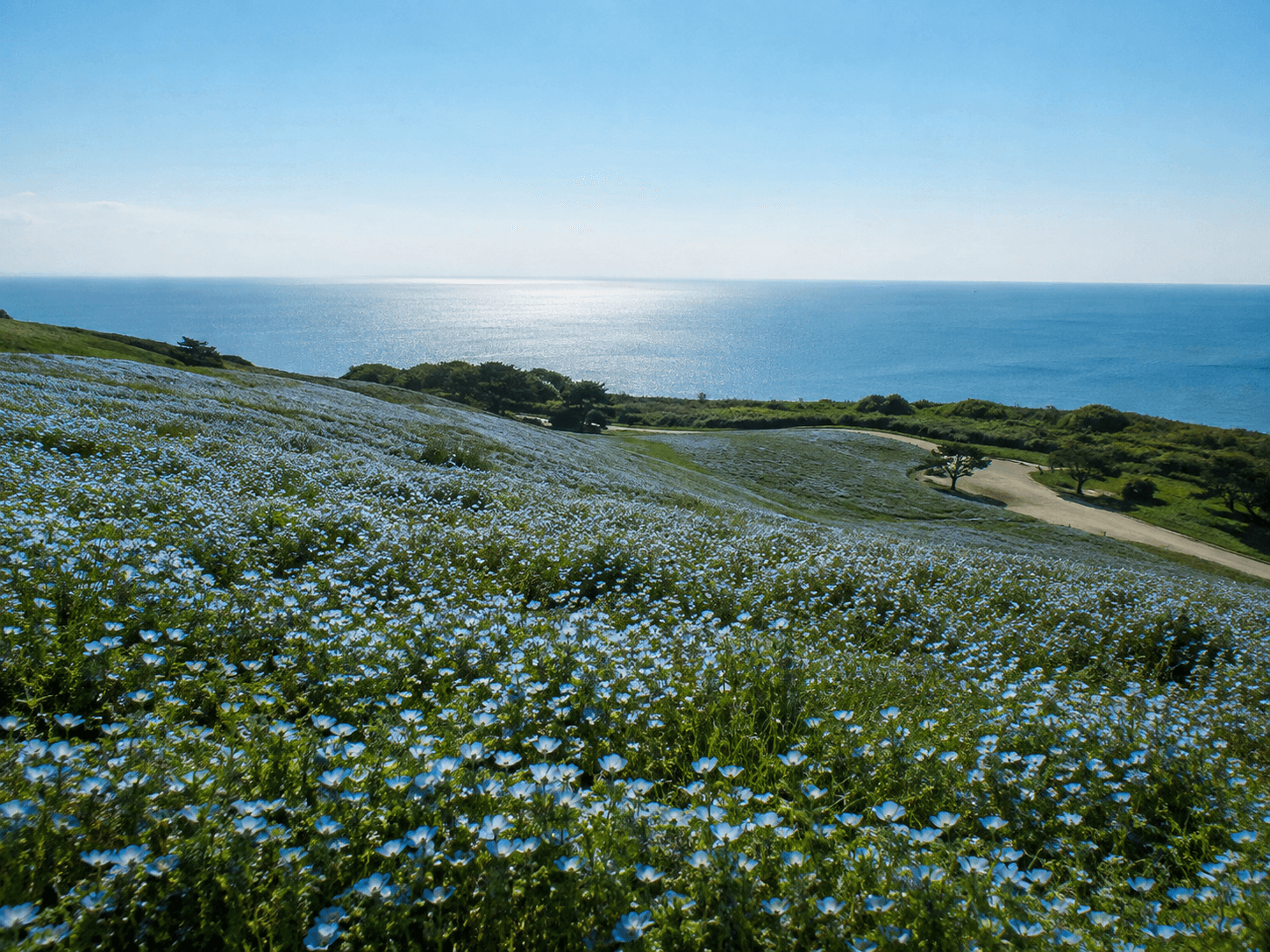
Ibaraki
Kashima Jingu, head shrine of some 600 shrines and one of the three shrines of the eastern provinces. About 90% of Japan's dried sweet potato, Kairakuen, Fukuroda Falls, Yuki pongee and Kasama ware. Ibaraki, set out category by category.
View the travel guide →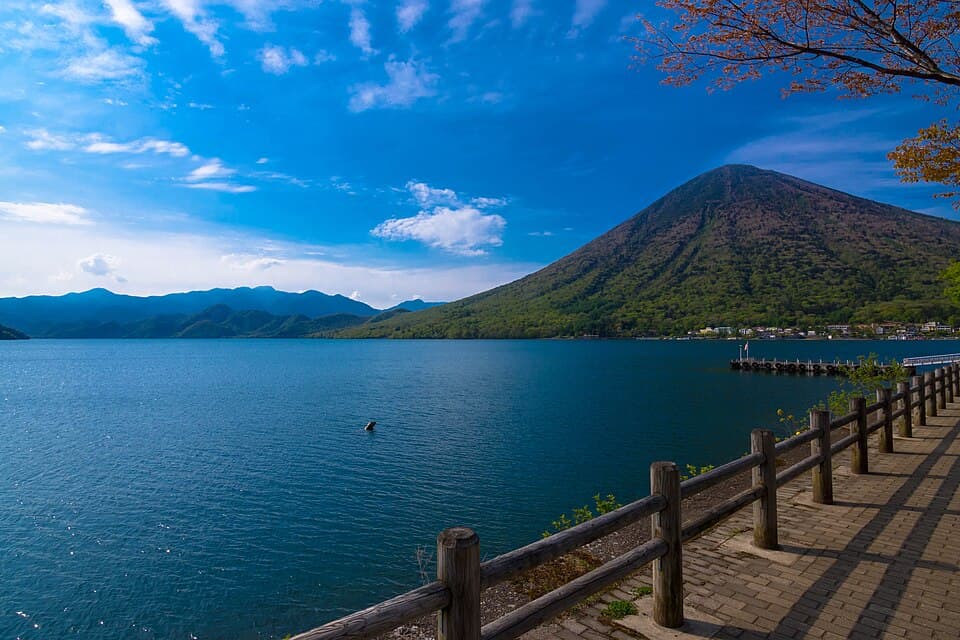
Tochigi
At the World Heritage shrines and temples of Nikko, Shinto and Buddhist buildings stand together, never separated. Strawberries first in Japan for over half a century, most of the country's kanpyo, Kegon Falls, and Mashiko ware. Tochigi, set out category by category.
View the travel guide →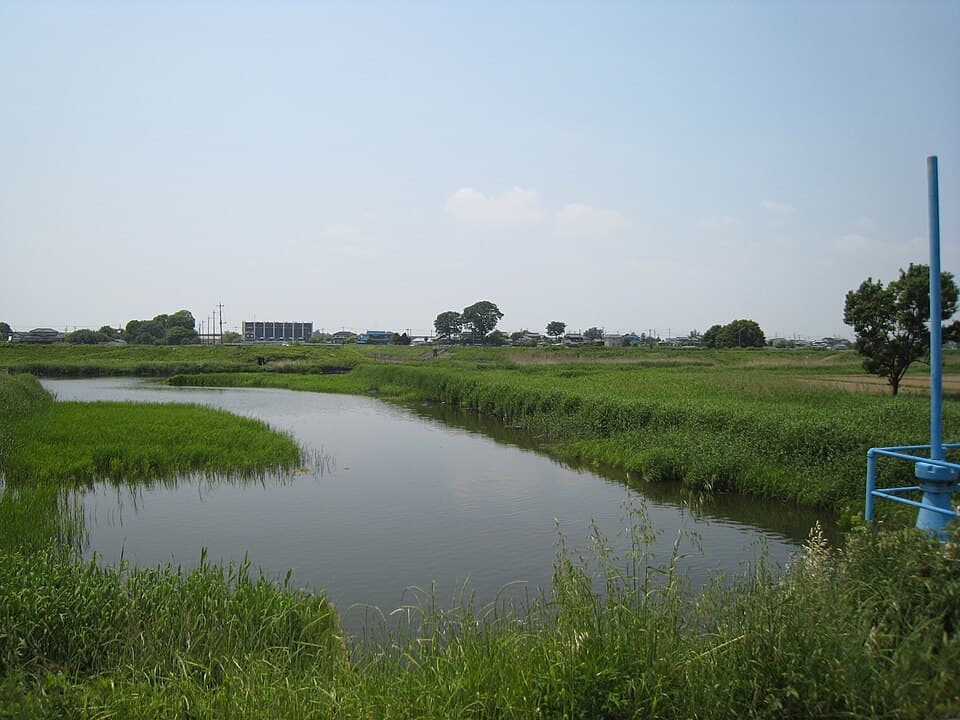
Gunma
Haruna Jinja, whose main hall sits against a great rock, and Ichinomiya Nukisaki Jinja with its descending approach. About 90% of Japan's konjac, Tsumagoi cabbage, the World Heritage Tomioka Silk Mill, and Kiryu weaving. Gunma, explained.
View the travel guide →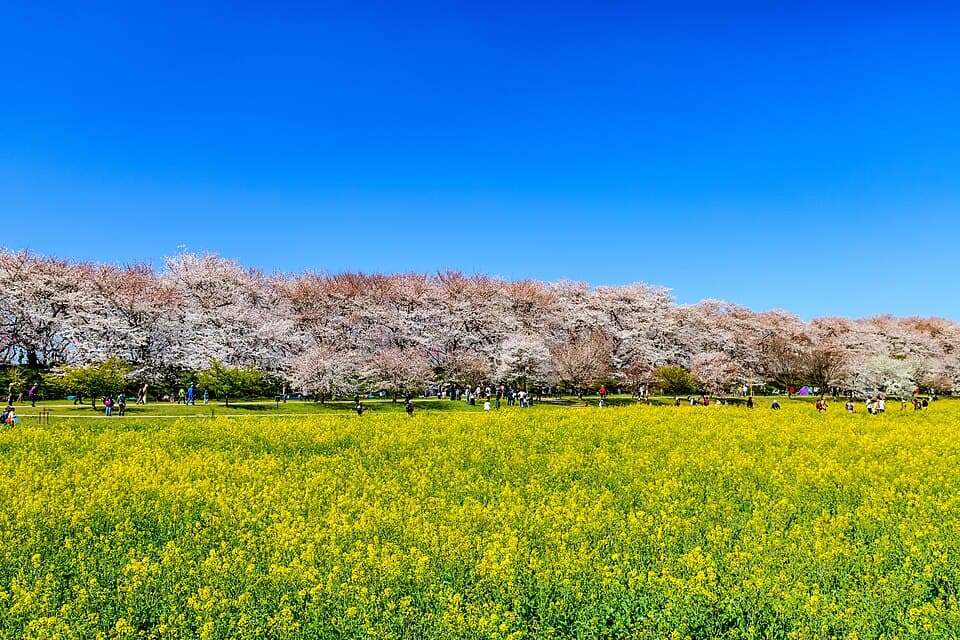
Saitama
Hikawa Jinja, head of some 280 shrines, with an approach about two kilometres long. Mitsumine Jinja, whose messengers are wolves; Soka senbei; Sayama tea; the storehouse streets of Kawagoe; and Iwatsuki hina dolls. Saitama, set out category by category.
View the travel guide →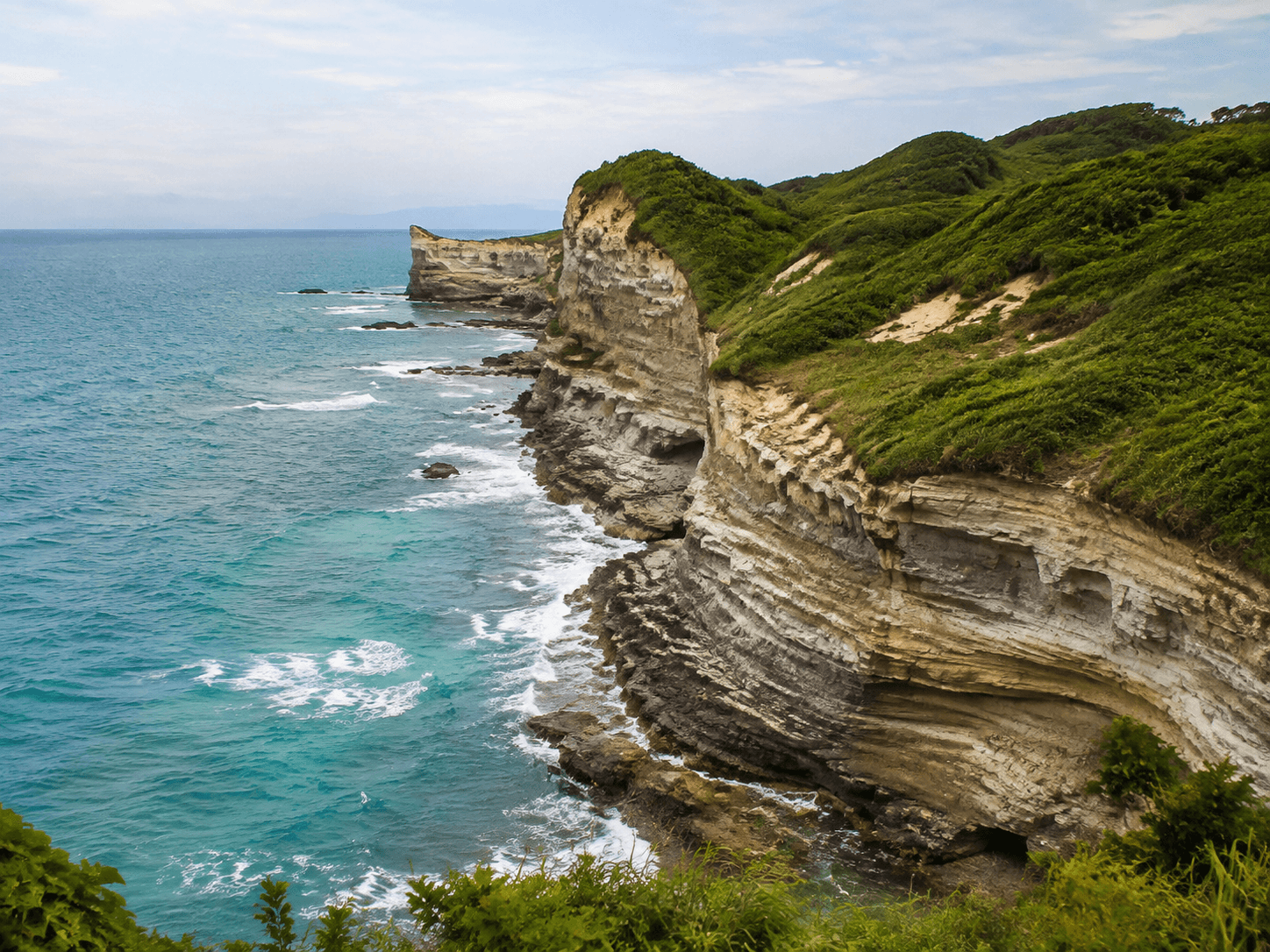
Chiba
Katori Jingu, head shrine of some 400 shrines, whose kaname-ishi is said to run underground to Kashima. About 80% of Japan's peanuts, the soy sauce of Noda and Choshi, Naritasan Shinshoji, and Boshu fans. Chiba, explained.
View the travel guide →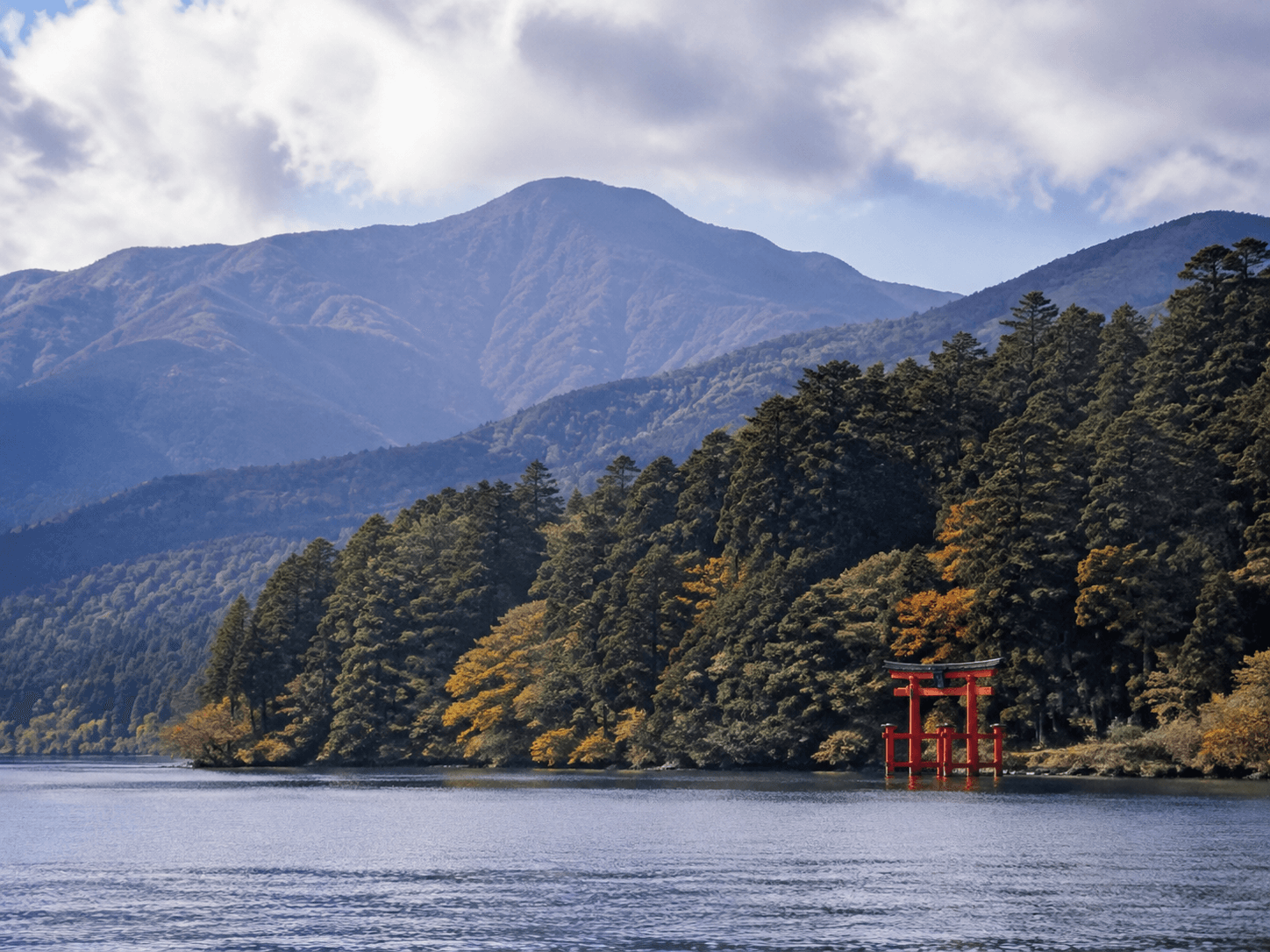
Kanagawa
Kamakura was laid out from Tsurugaoka Hachimangu outwards. Samukawa Jinja, the only shrine in Japan for warding off misfortune from all eight directions; the National Treasure Great Buddha; Hakone; Miura vegetables; and Hakone marquetry. Kanagawa, set out category by category.
View the travel guide →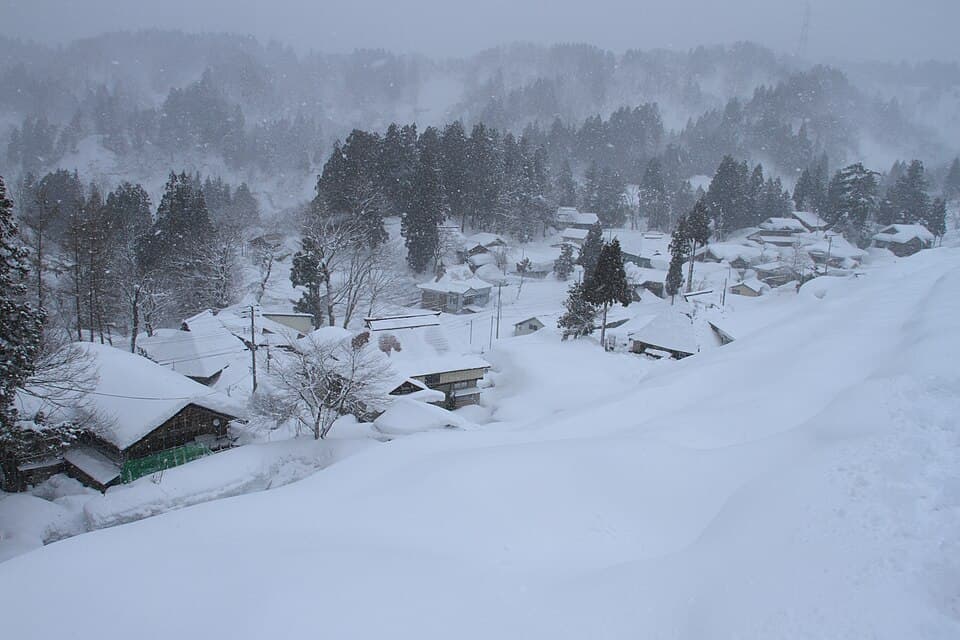
Niigata
Yahiko Jinja, first shrine of Echigo, enshrines the deity who taught rice growing and salt making. Rice and more sake breweries than any prefecture, the World Heritage gold mines of Sado, sasa-dango, kaki-no-tane, and Tsubame-Sanjo. Niigata, set out category by category.
View the travel guide →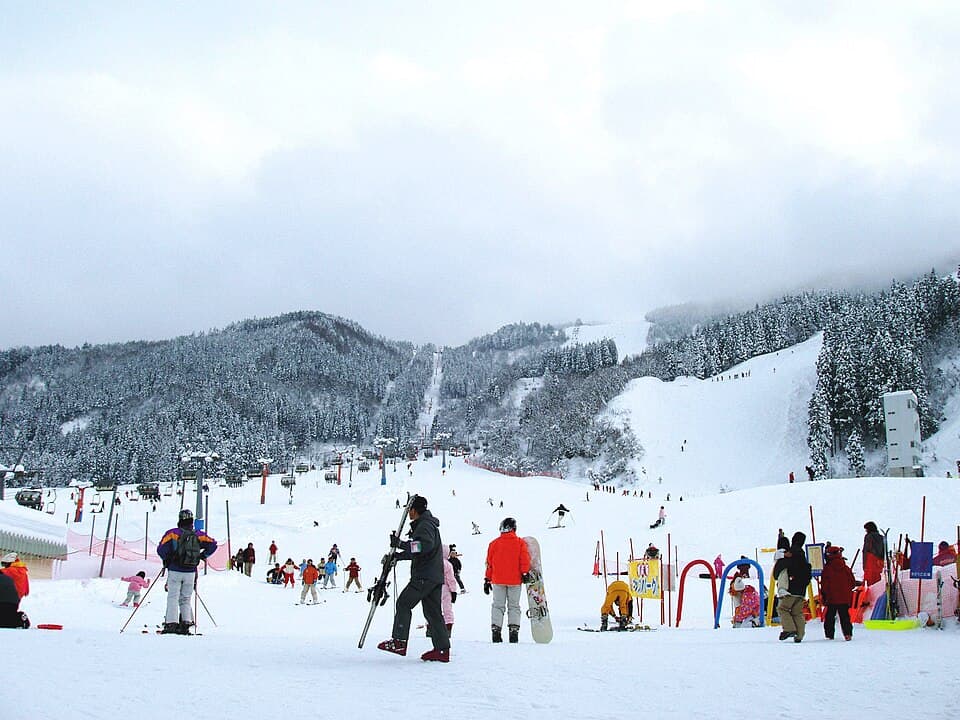
Toyama
The Mine main hall of Oyama Jinja stands at the 3,003-metre summit of Tateyama. The Nunobashi Kanjoe held in place of the climb women were barred from, the white shrimp and firefly squid of Toyama Bay, the World Heritage villages of Gokayama, and Takaoka copperware. Toyama, explained.
View the travel guide →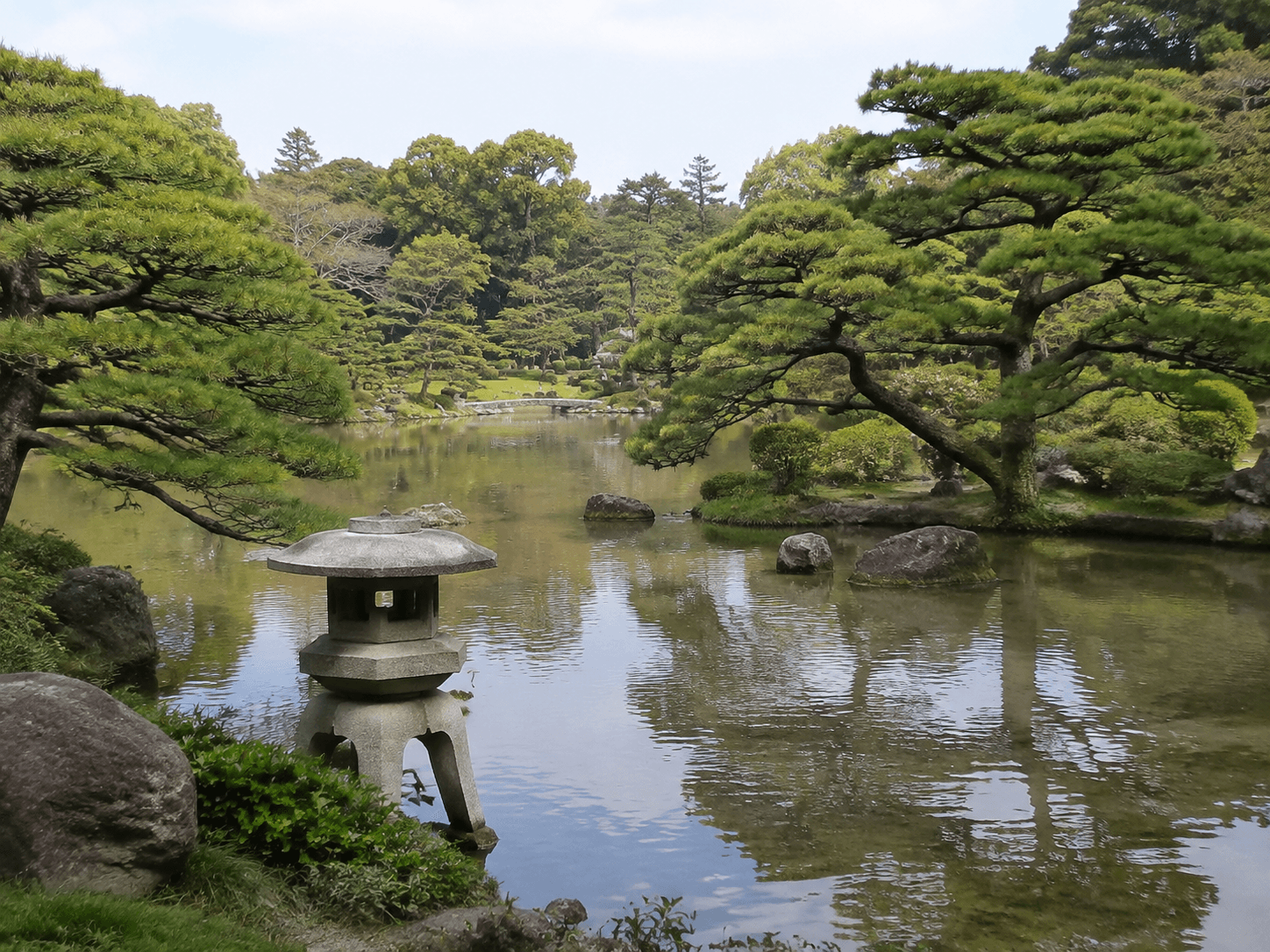
Ishikawa
Shirayamahime Jinja is the head of some 3,000 shrines, and what it venerates is water. Kanazawa produces over 98% of Japan's gold leaf. Kenrokuen, Wajima lacquer, Kutani ware and Kaga yuzen. Ishikawa, set out category by category.
View the travel guide →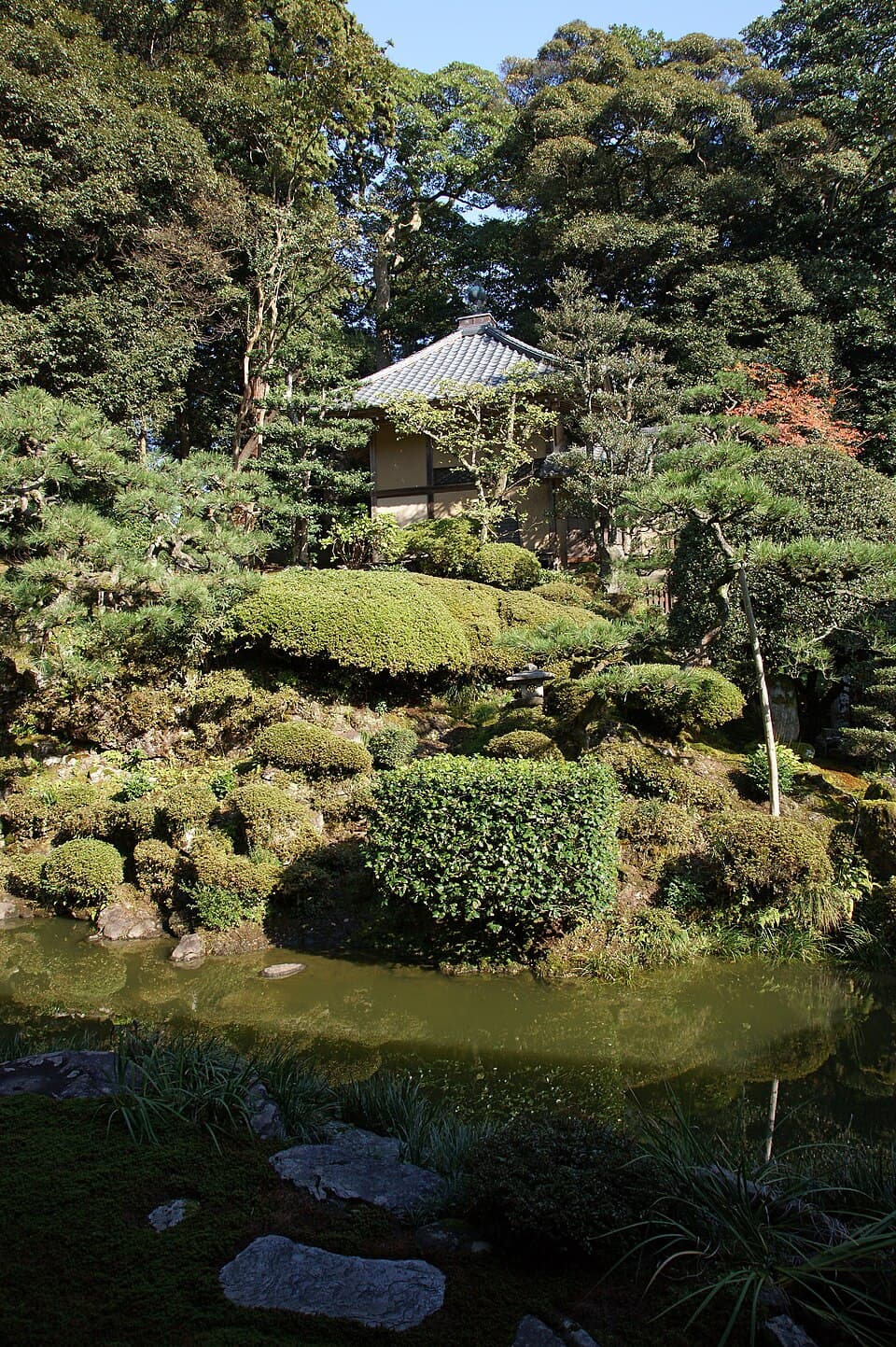
Fukui
Eiheiji is still a working monastery, where Dogen taught that cleaning and eating are practice too. Sabae makes over 90% of Japan's spectacle frames; Echizen crab, Tojinbo, and seven designated crafts including Echizen lacquerware. Fukui, explained.
View the travel guide →
Yamanashi
First in Japan for both grapes and peaches. Kitaguchi Hongu Fuji Sengen Jinja, Takeda Jinja and Minobusan Kuonji, plus Koshu inden leatherwork and crystal carving. Yamanashi, set out category by category.
View the travel guide →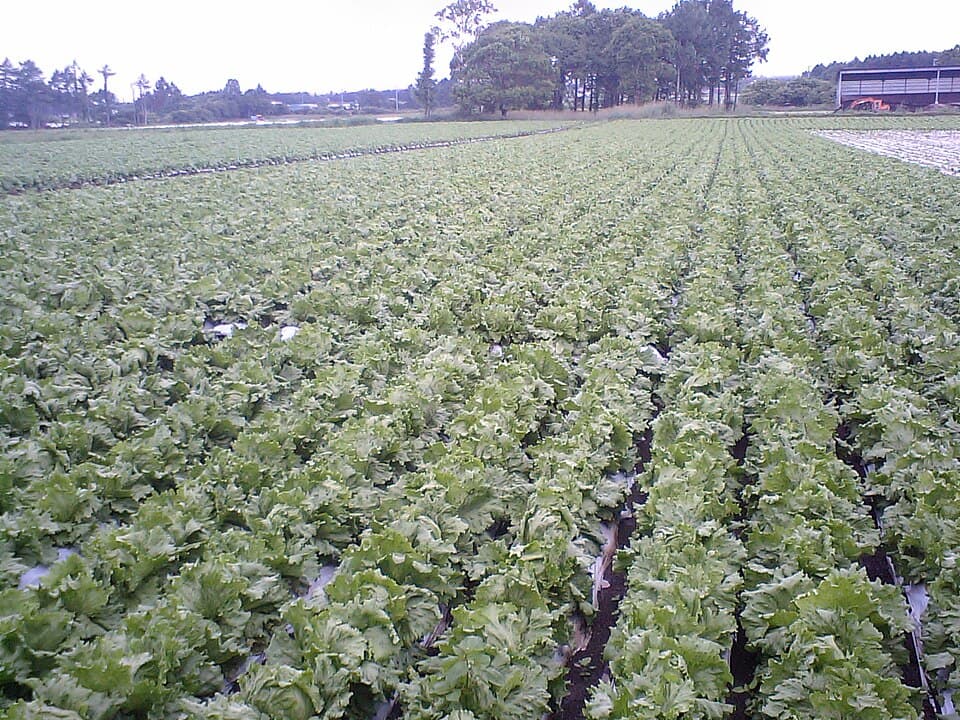
Nagano
First in Japan for both lettuce and miso shipments. Zenkoji, Suwa Taisha and Togakushi Jinja; the National Treasure Matsumoto Castle; Kamikochi; and Kiso lacquerware. Nagano, set out category by category.
View the travel guide →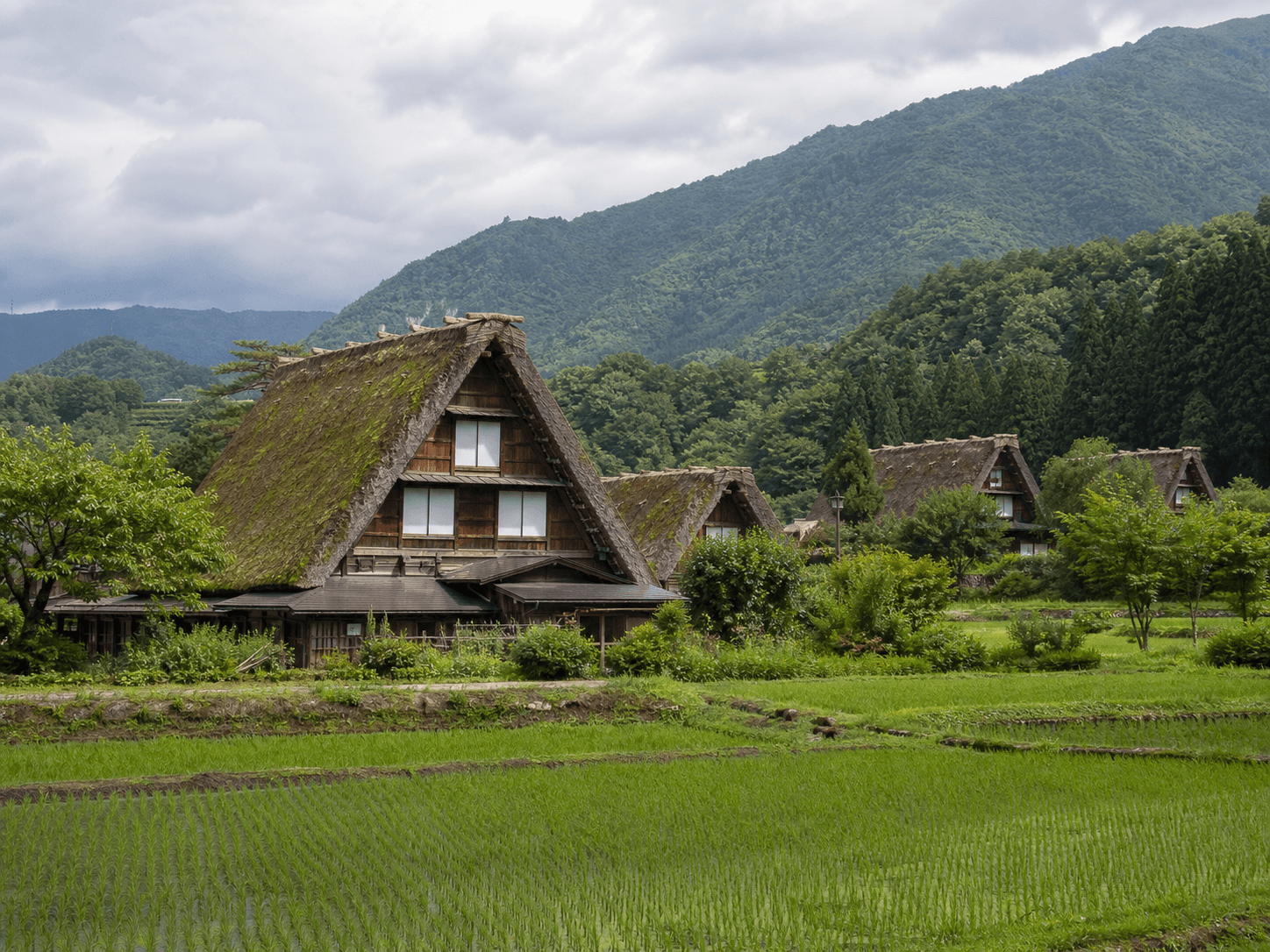
Gifu
Mino ware accounts for a large share of the ceramic tableware made in Japan, and Hon-Mino paper is UNESCO Intangible Cultural Heritage. Nangu Taisha and Chiyobo Inari, Shirakawa-go, Hida Takayama, and Hida shunkei lacquer. Gifu, set out category by category.
View the travel guide →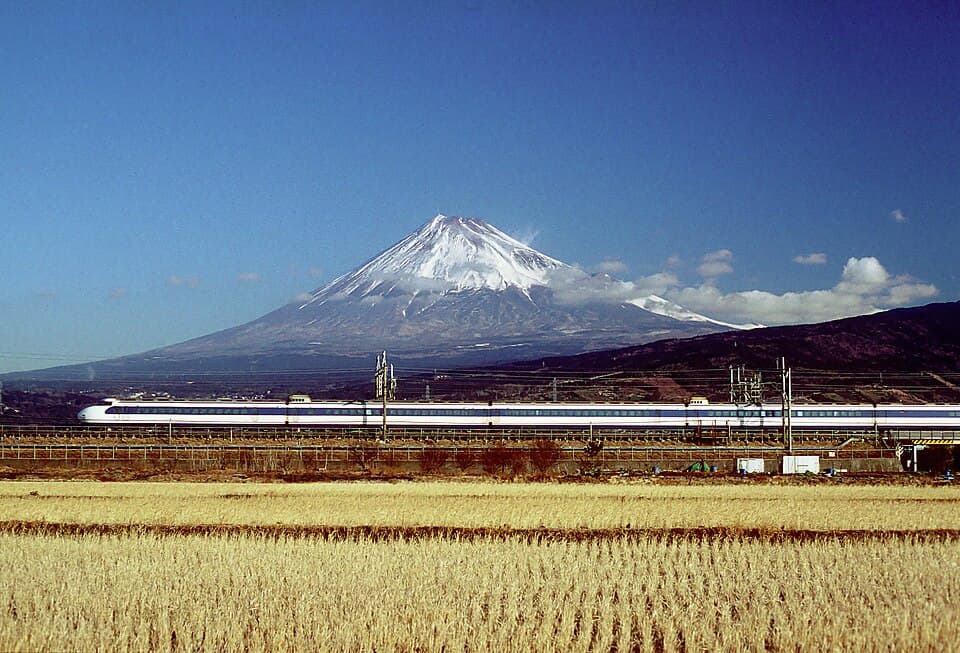
Shizuoka
Among the top tea producers in Japan, and known for eel and sakura shrimp. Fujisan Hongu Sengen Taisha, Kunozan Tosho-gu, Mishima Taisha, and Suruga bamboo basketry. Shizuoka, set out category by category.
View the travel guide →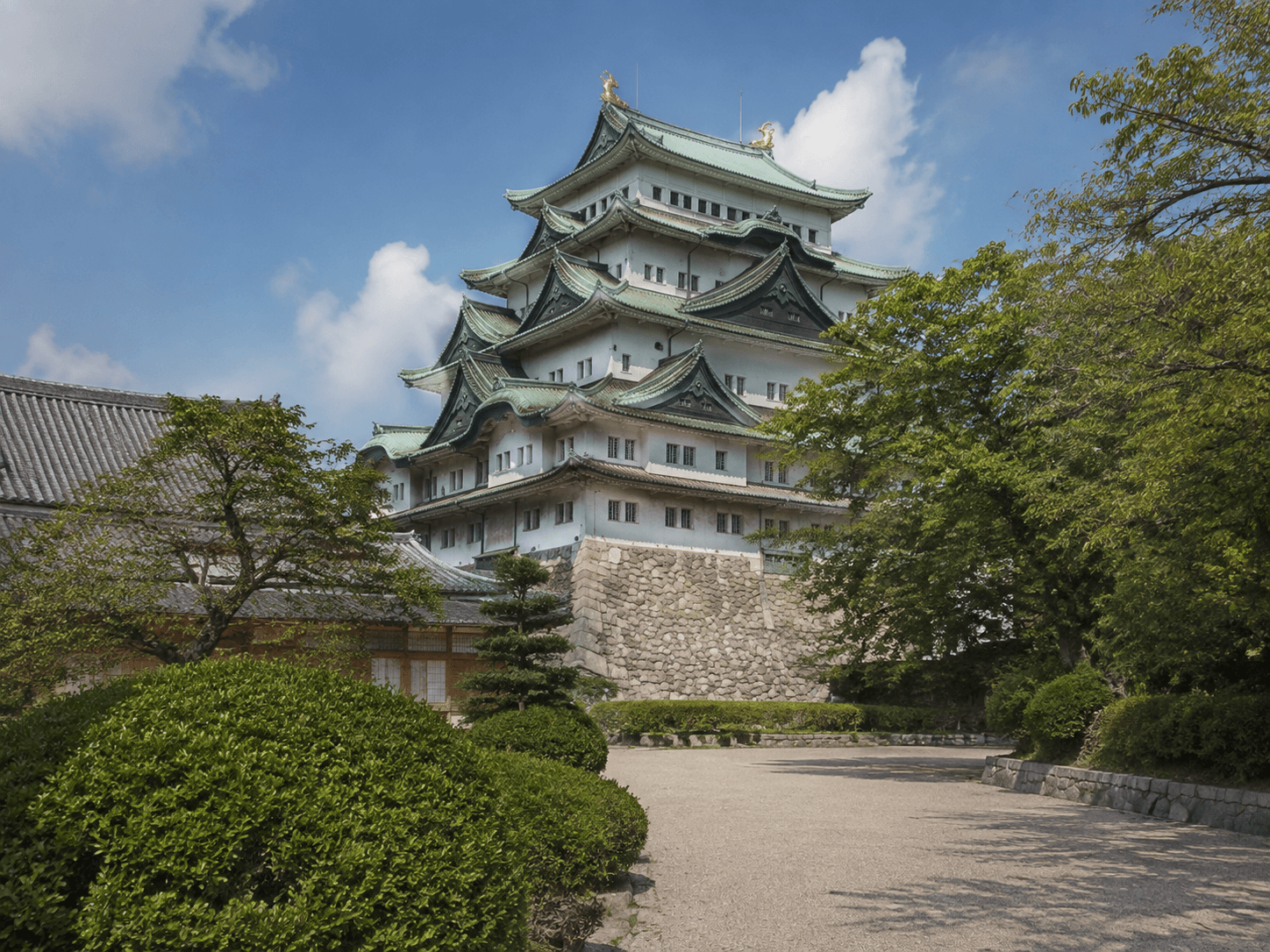
Aichi
Hatcho miso, Nagoya food, uiro. Atsuta Jingu, Toyokawa Inari and Osu Kannon. The only prefecture that holds two of the six ancient kilns, Tokoname and Seto. Aichi, set out category by category.
View the travel guide →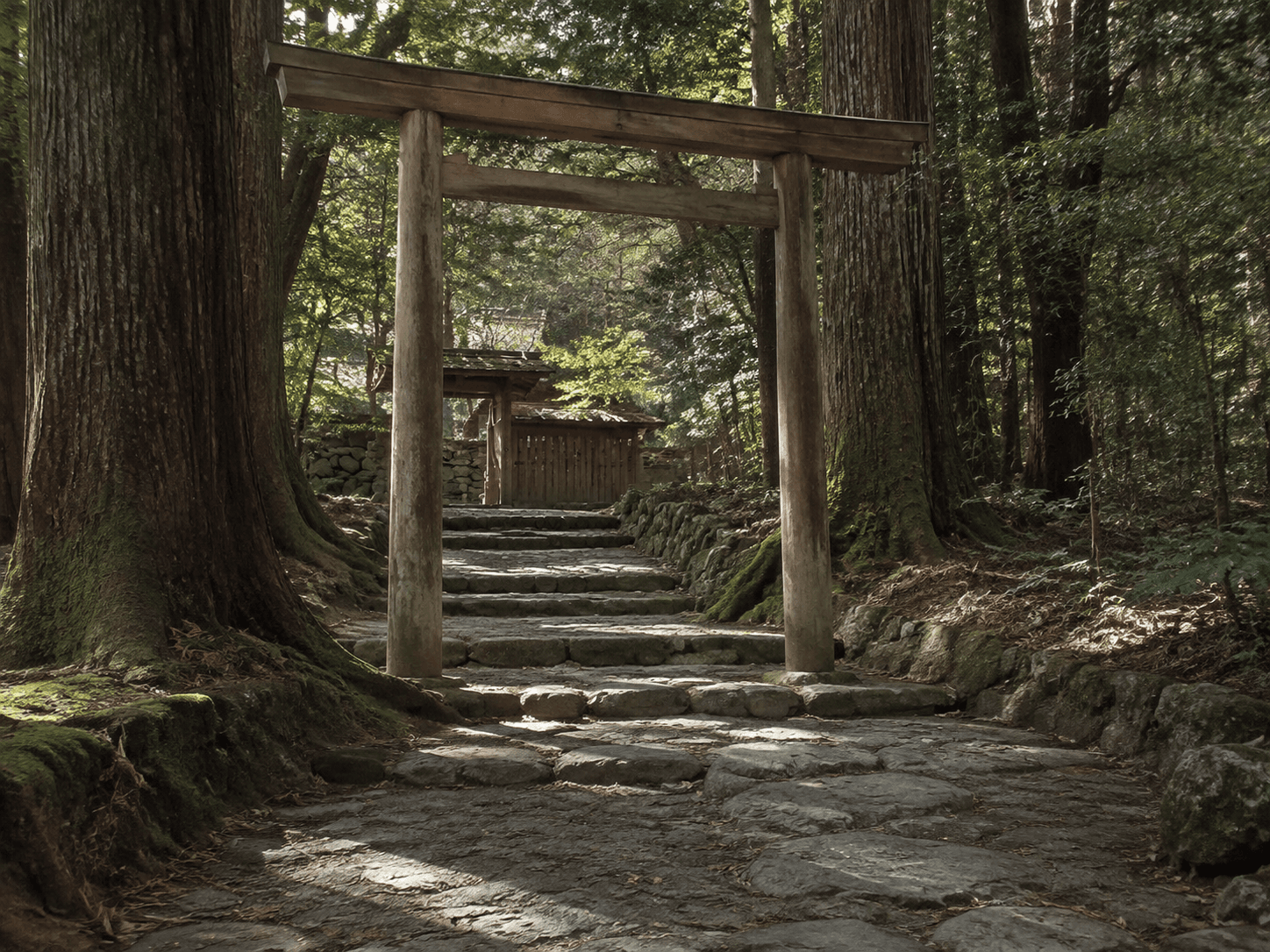
Mie
Ise Jingu, Futami Okitama Jinja and Kongoshoji. Yokkaichi Banko ware fires about 80% of Japan's clay pots; also Ise stencil paper, Akafuku and spiny lobster. Mie, set out category by category.
View the travel guide →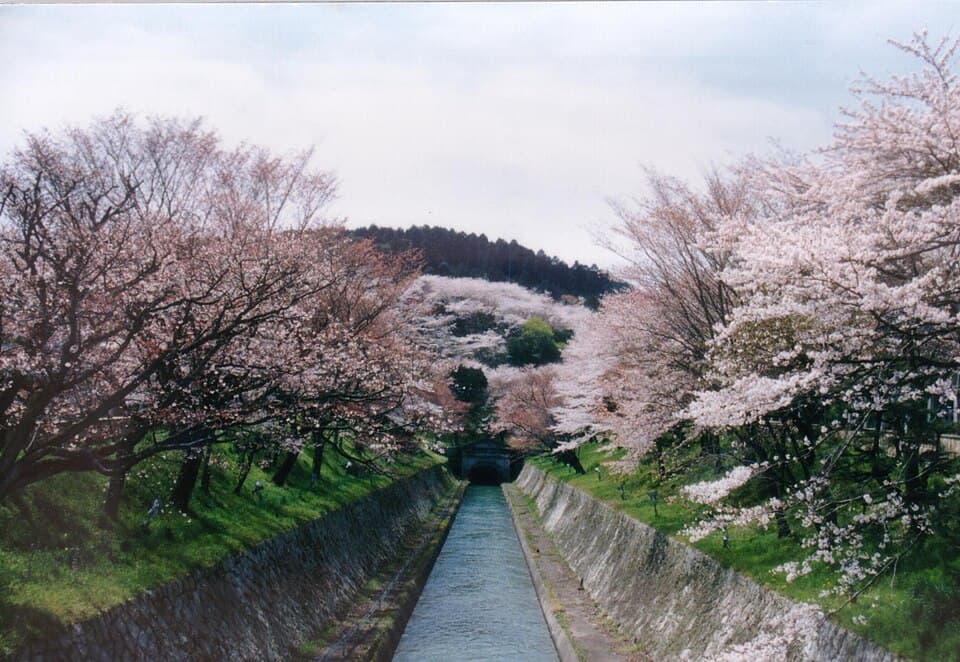
Shiga
Enryakuji on Mount Hiei, Hiyoshi Taisha, Taga Taisha, and the lake torii of Shirahige Jinja. Omi beef, funazushi, Shigaraki ware and Hikone Buddhist altars. Shiga, set out category by category.
View the travel guide →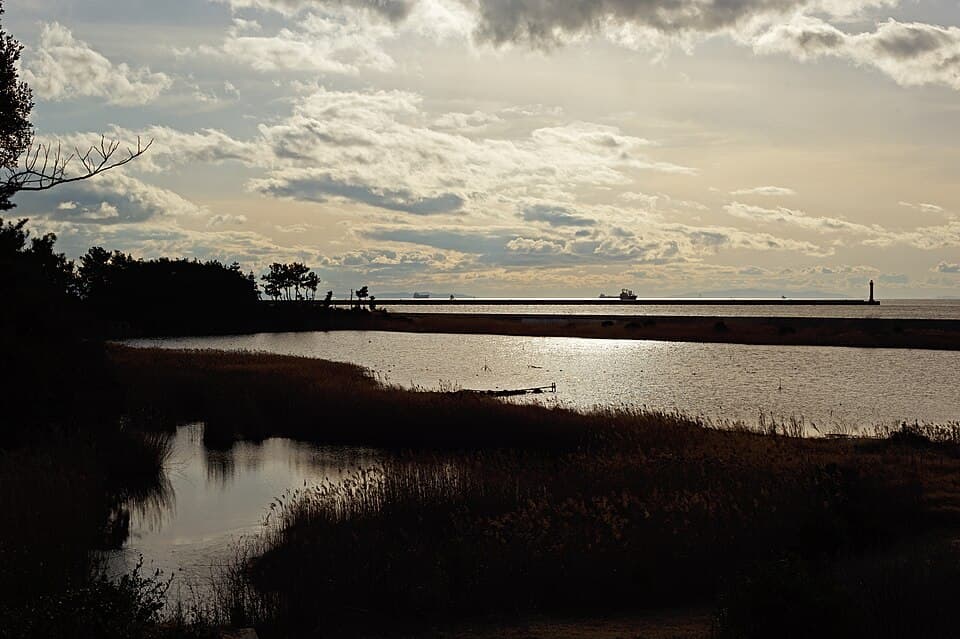
Osaka
Sumiyoshi Taisha, Shitennoji and Osaka Tenmangu. Sakai forged blades hold about 90% of the professional Japanese knife market. Takoyaki and flour-based food, and the tomb of Emperor Nintoku. Osaka, set out category by category.
View the travel guide →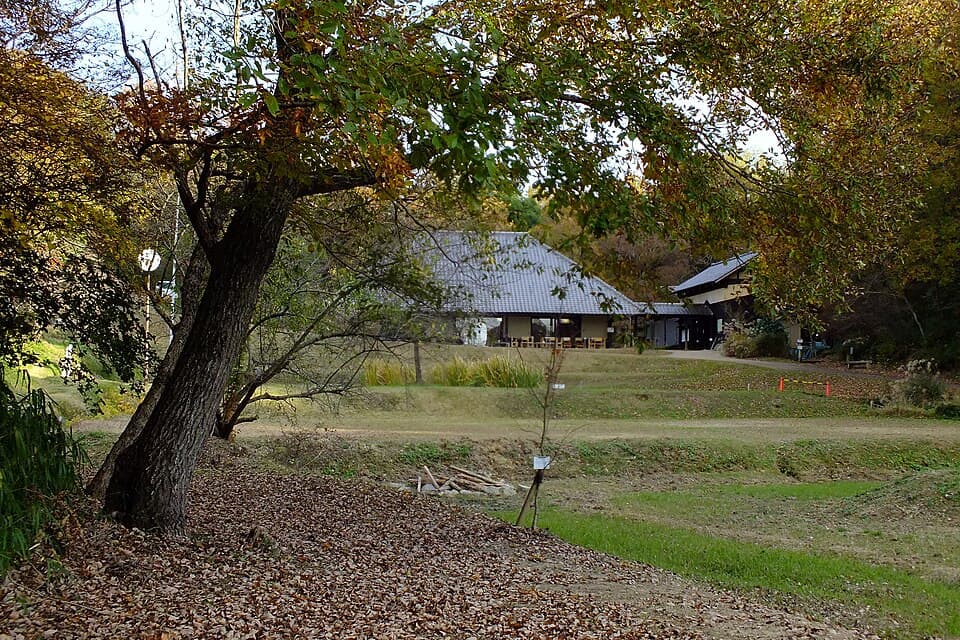
Hyogo
The sake of Nada Gogo, Kobe beef, Akashi octopus. Nishinomiya Jinja and Ikuta Jinja, Himeji Castle as one of Japan's first World Heritage sites, and Banshu abacuses. Hyogo, set out category by category.
View the travel guide →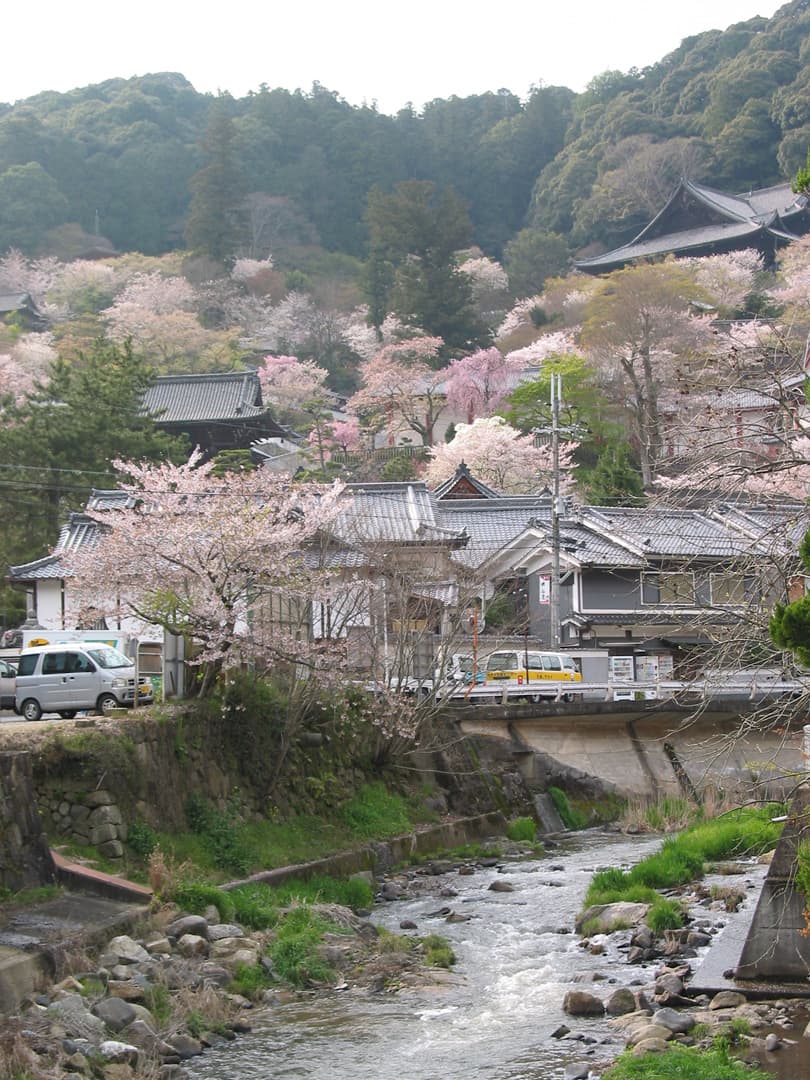
Nara
The Great Buddha of Todaiji, Horyuji, Kasuga Taisha and Omiwa Jinja. Kaki-no-ha sushi and Miwa somen, and Nara ink. Nara, set out category by category.
View the travel guide →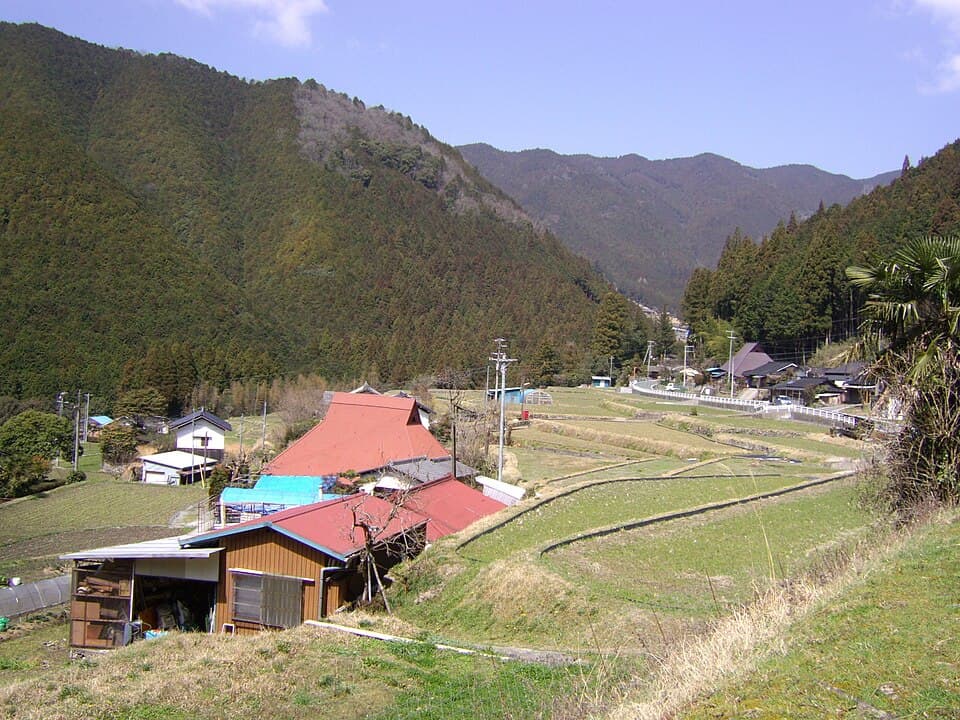
Wakayama
Koyasan Kongobuji and the three Kumano shrines: two mountains of faith. Nanko plums and Arida mandarins both rank first in Japan, with Kishu lacquerware and Shirahama Onsen. Wakayama, set out category by category.
View the travel guide →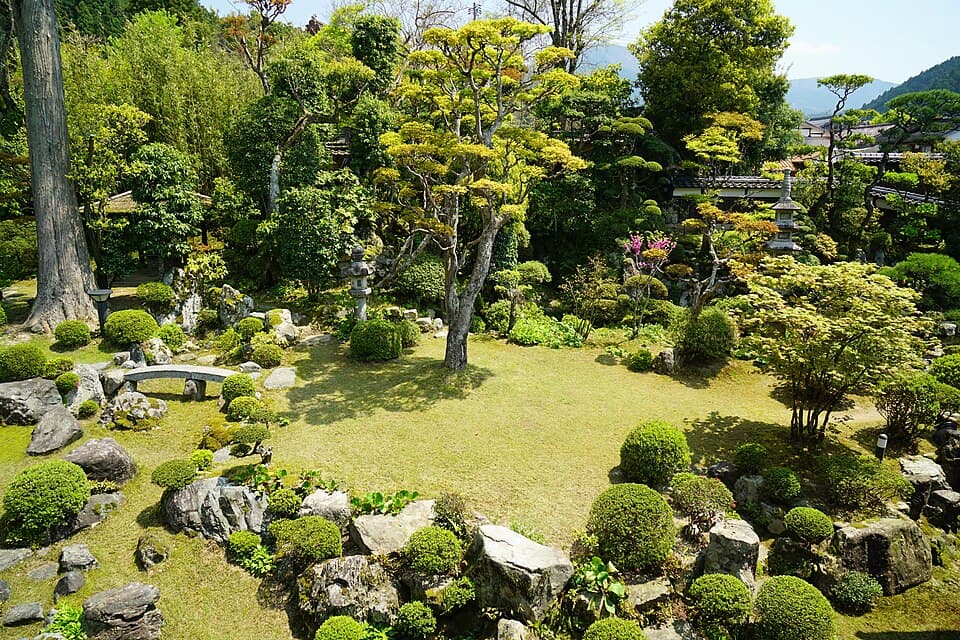
Tottori
Hakuto Jinja, the Nageiredo of Sanbutsuji on Mount Mitoku, and Ogamiyama Jinja. Nijisseiki pears, matsuba crab, the Tottori dunes, and Inshu washi. Tottori, set out category by category.
View the travel guide →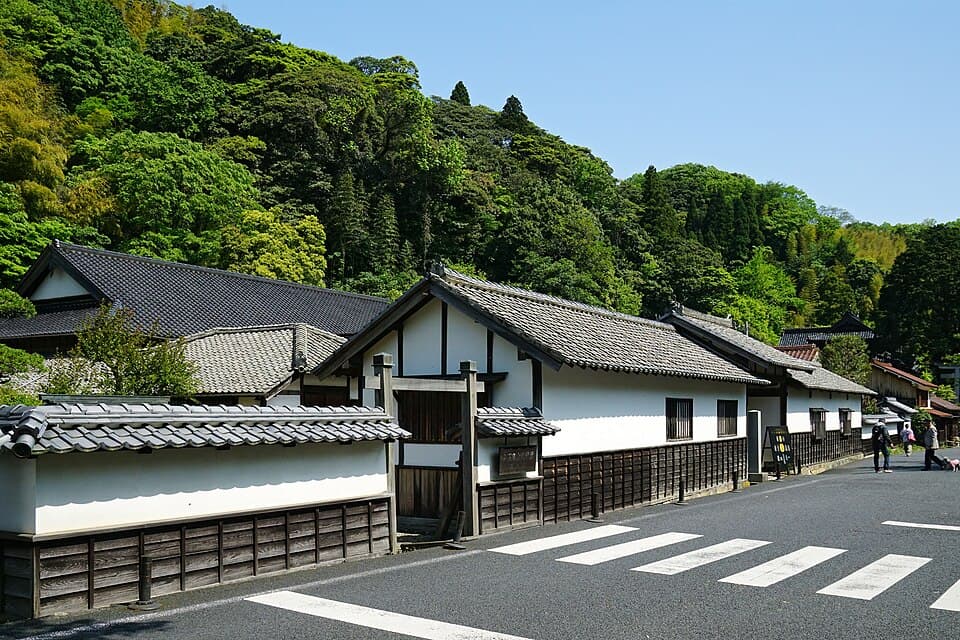
Shimane
Izumo Taisha, Yaegaki Jinja and Hinomisaki Jinja. Izumo soba and the shijimi clams of Lake Shinji, the Iwami silver mine, and Sekishu washi. Shimane, set out category by category.
View the travel guide →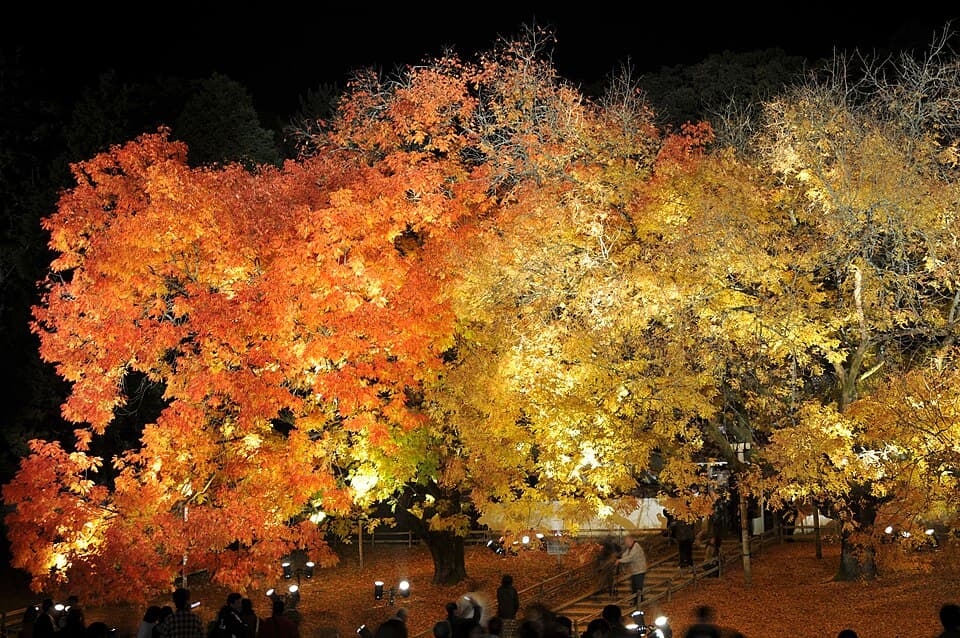
Okayama
Kibitsu Jinja, Saijo Inari and Bitchu Kokubunji. White peaches and muscat grapes, kibi dango, Bizen ware, and Kojima denim. Okayama, set out category by category.
View the travel guide →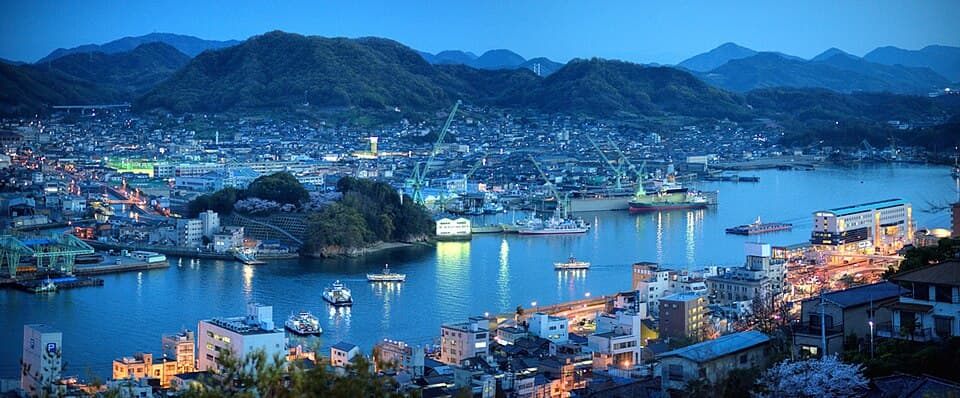
Hiroshima
Itsukushima Jinja, Myoo-in and Buttsuji. First in Japan for oysters, momiji manju and okonomiyaki, and Kumano brushes. Hiroshima, set out category by category.
View the travel guide →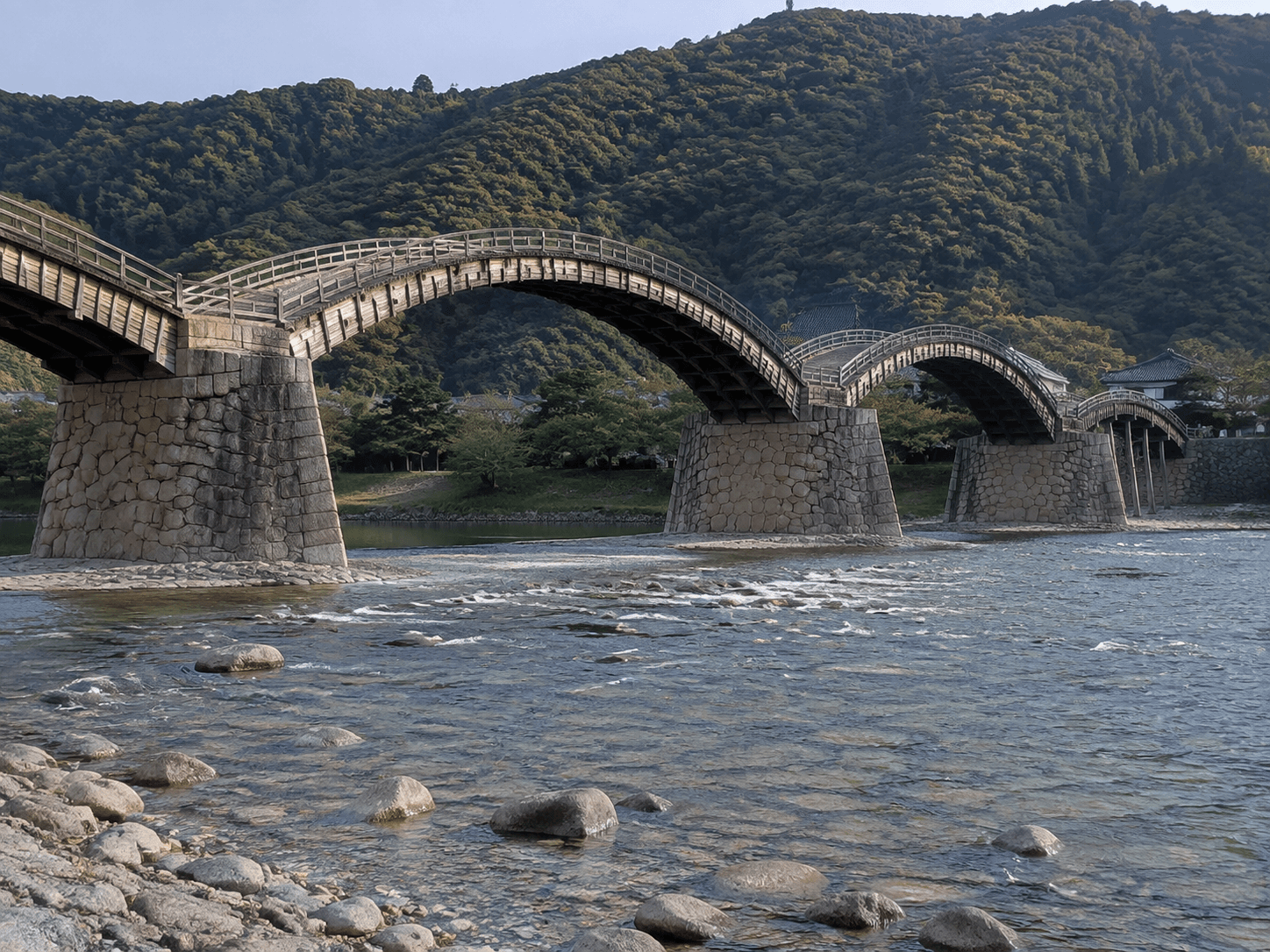
Yamaguchi
The 123 torii of Motonosumi Jinja, and Hofu Tenmangu. Pufferfish and natsumikan, Hagi ware, Akiyoshido, and Kintaikyo. Yamaguchi, set out category by category.
View the travel guide →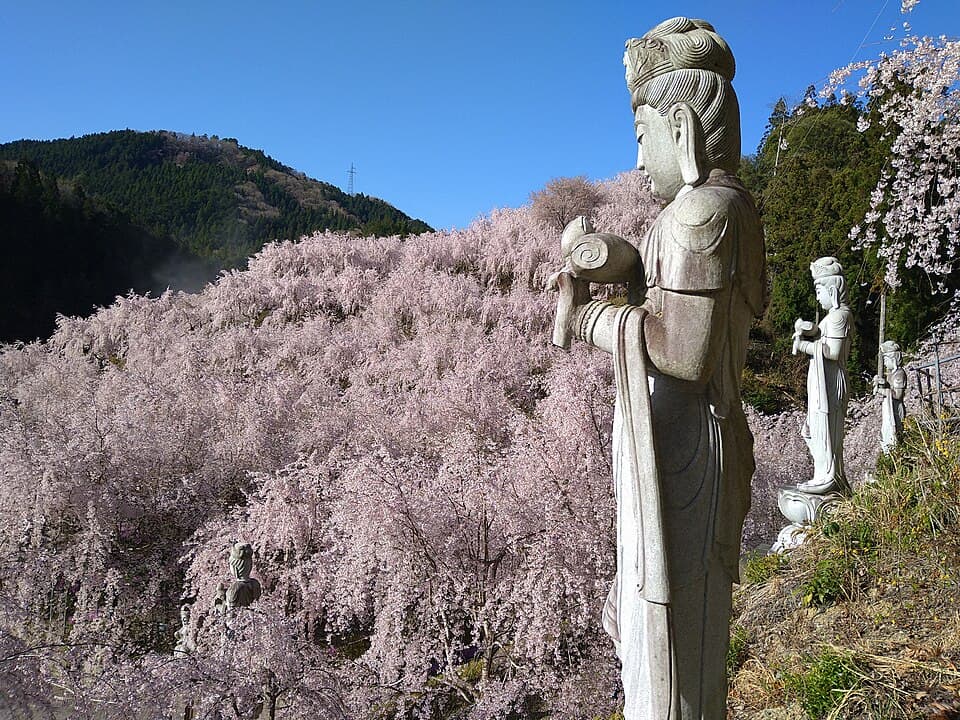
Tokushima
Ryozenji, first temple of the Shikoku 88, and Oasahiko Jinja. Sudachi first in Japan, Naruto kintoki and indigo dyeing, and the whirlpools of Naruto. Tokushima, set out category by category.
View the travel guide →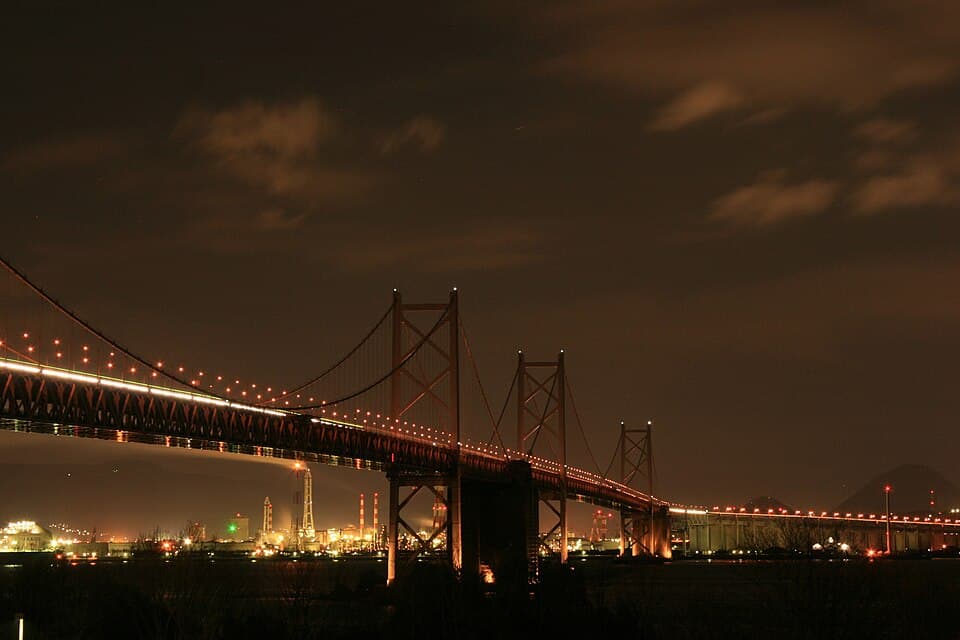
Kagawa
The 785 steps of Kotohiragu, Zentsuji and Yashimaji. Sanuki udon and wasanbon sugar, Marugame fans first in Japan, Naoshima and Shodoshima. Kagawa, set out category by category.
View the travel guide →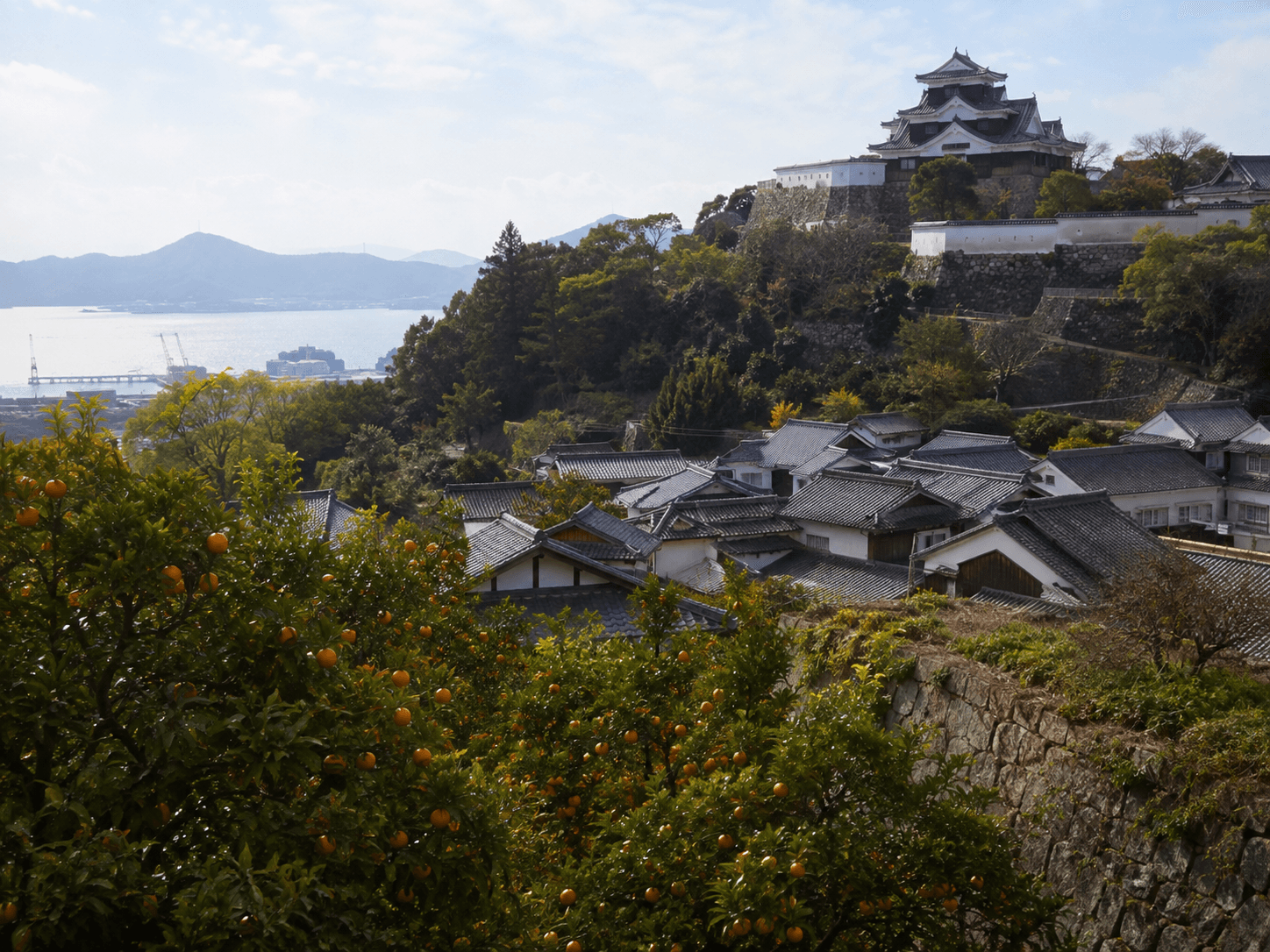
Ehime
Oyamazumi Jinja, Ishiteji and Dogo Onsen. Mandarins and Imabari towels, Iyo kasuri, and the Shimanami Kaido. Ehime, set out category by category.
View the travel guide →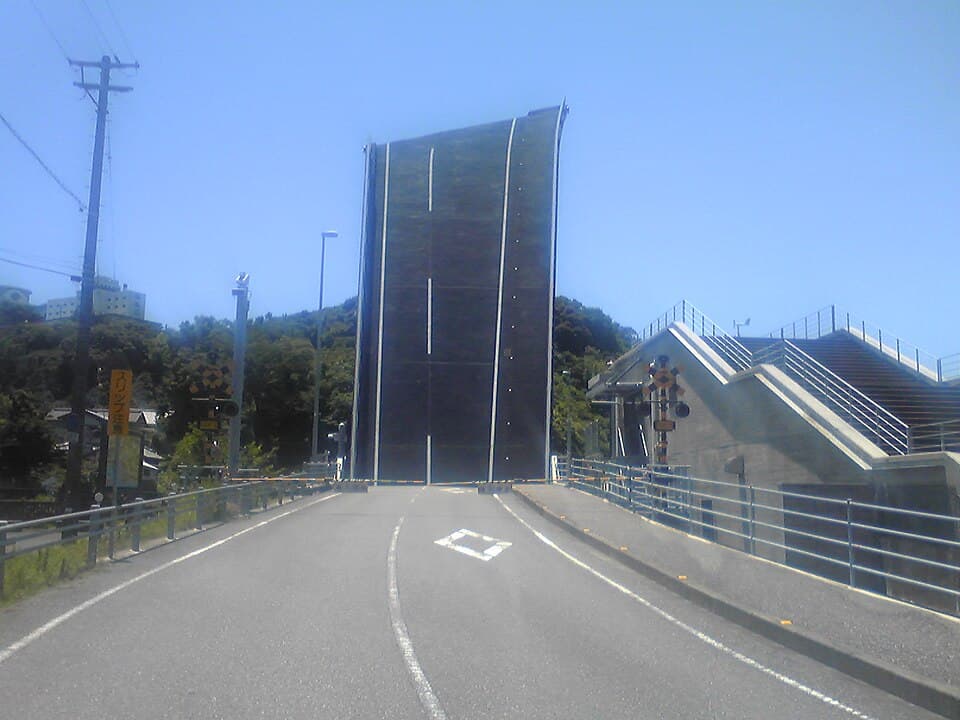
Kochi
Tosa Jinja, Chikurinji and Hotsumisakiji. Seared bonito and yuzu, Tosa washi, the Shimanto river, and Tosa forged blades. Kochi, set out category by category.
View the travel guide →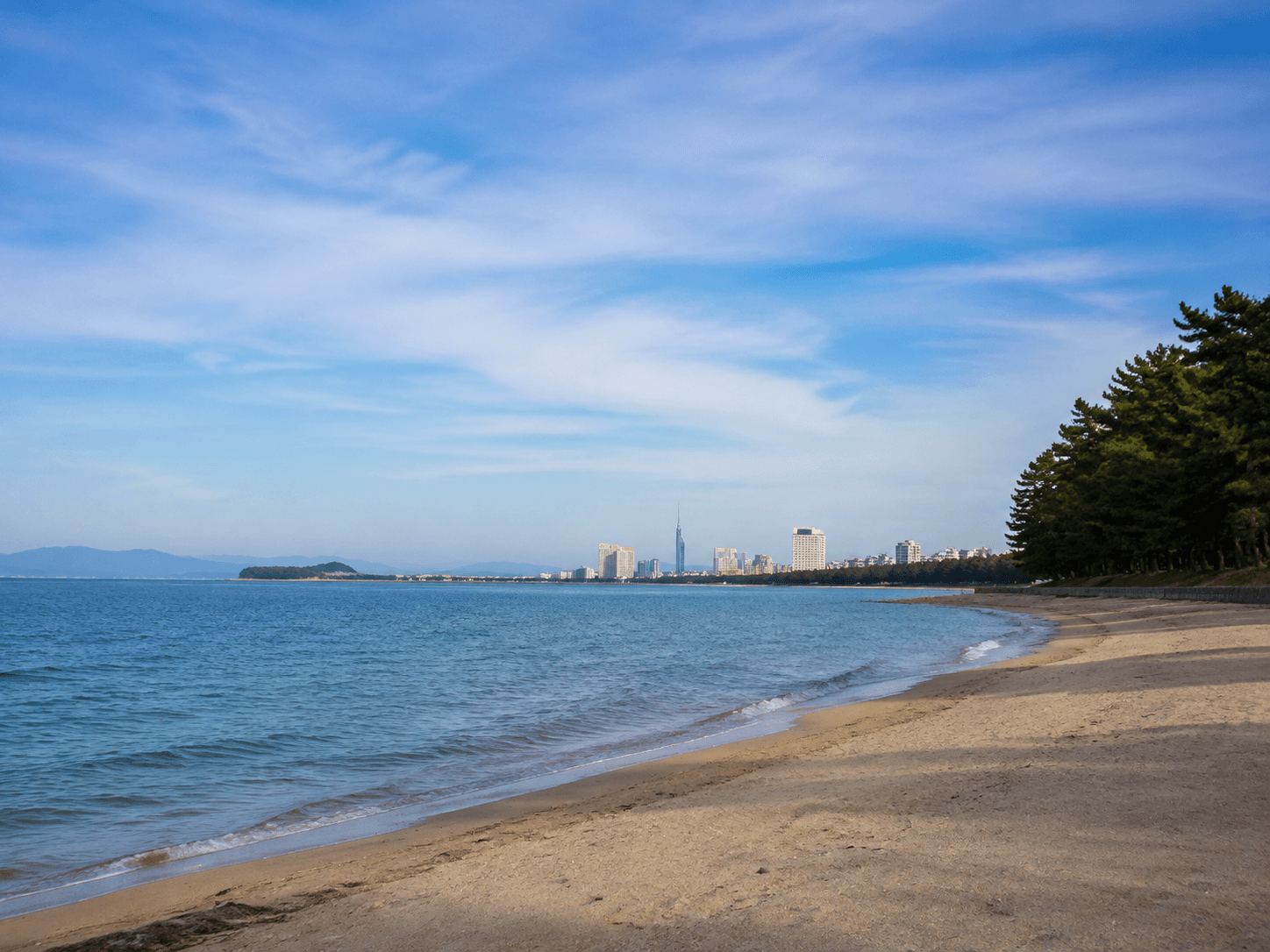
Fukuoka
Dazaifu Tenmangu, the World Heritage Munakata Taisha, and Hakozaki-gu. Mentaiko and tonkotsu, Kurume kasuri, and Hakata weaving. Fukuoka, set out category by category.
View the travel guide →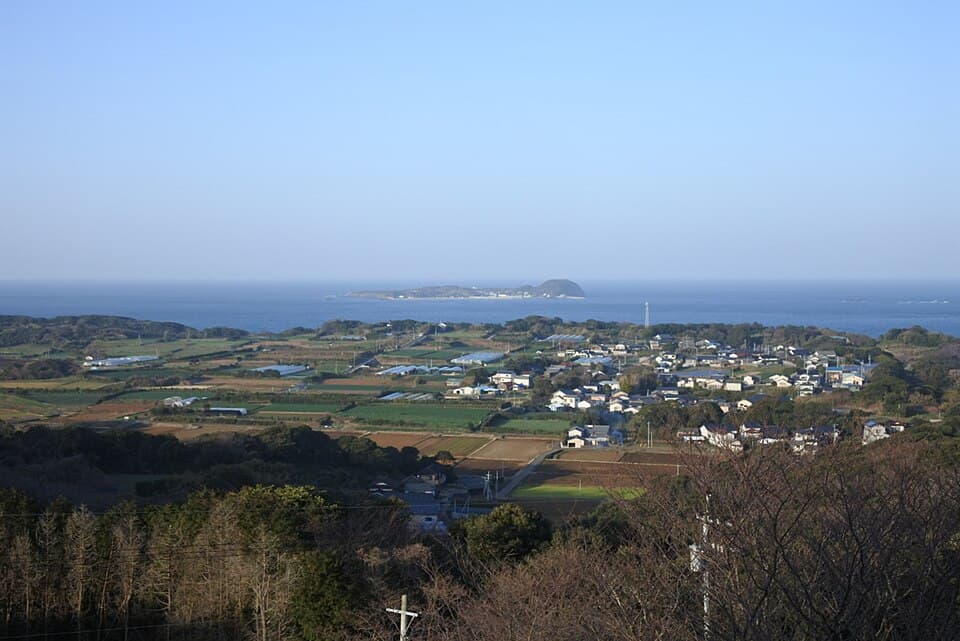
Saga
Yutoku Inari Jinja, and the porcelain torii of Tozan Jinja. Arita, Imari and Karatsu ware, Saga beef, and the squid of Yobuko. Saga, set out category by category.
View the travel guide →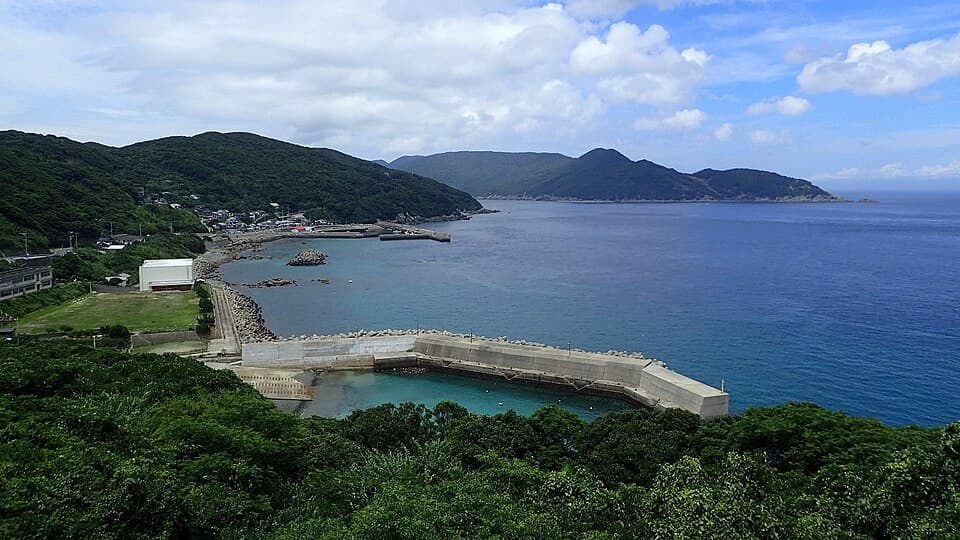
Nagasaki
Oura Cathedral, the one-legged torii of Sanno Jinja, and Sofukuji. Castella and champon, Hasami ware, and Gunkanjima. Nagasaki, set out category by category.
View the travel guide →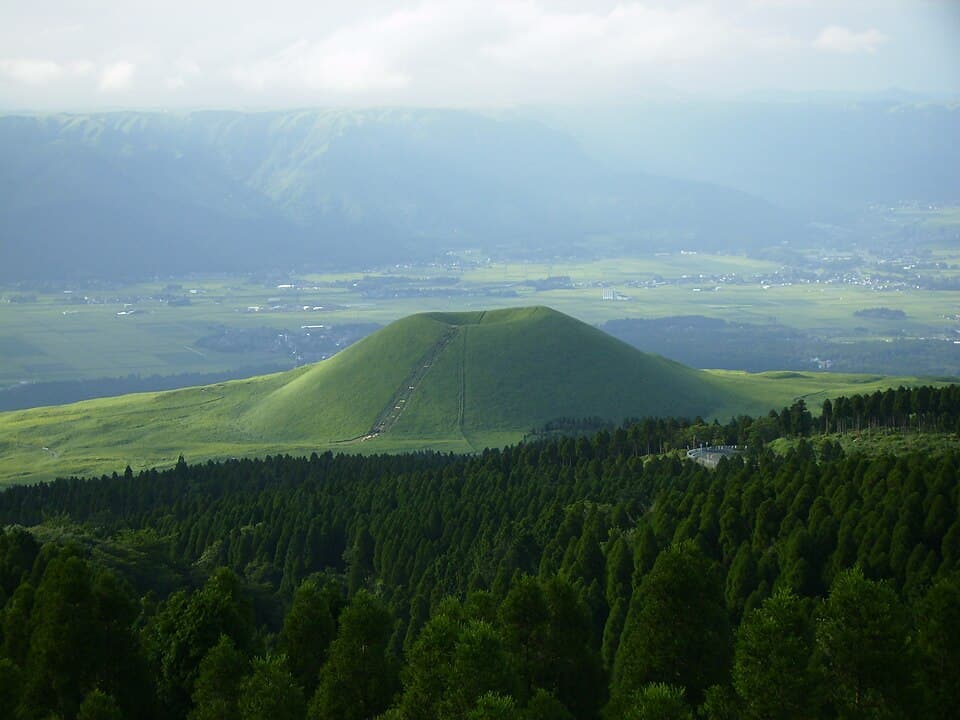
Kumamoto
Aso Jinja, Heitate Jingu and Aoi Aso Jinja. Horse sashimi and ikinari dango, igusa rush, Shodai ware, and the Aso caldera. Kumamoto, set out category by category.
View the travel guide →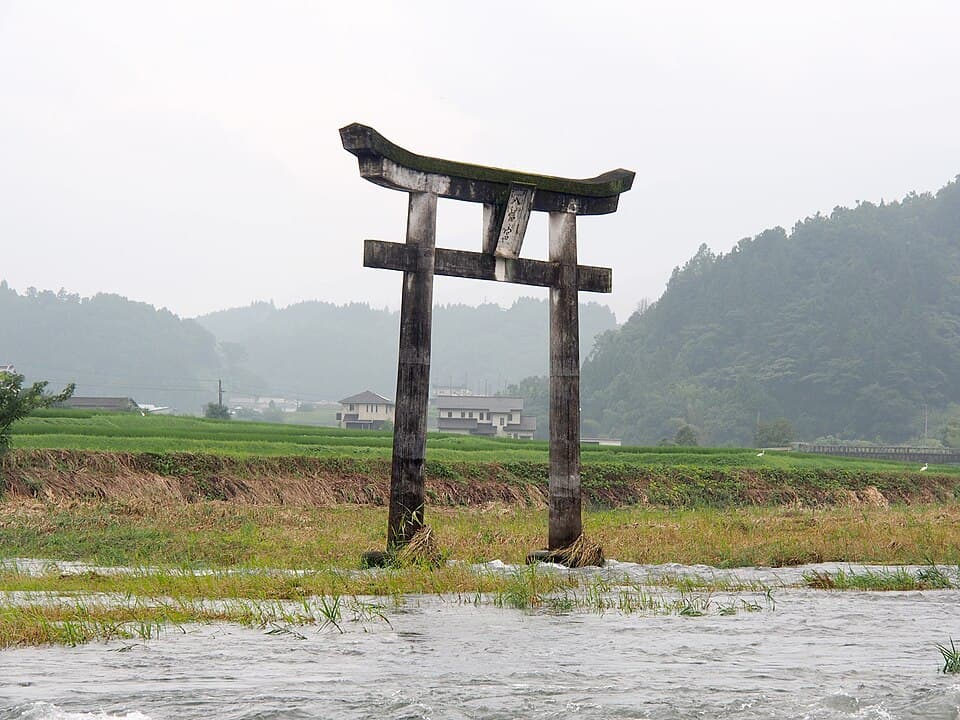
Oita
Usa Jingu is the head shrine of some 40,000 Hachiman shrines. Seki mackerel and kabosu, the hot springs of Beppu and Yufuin, and bamboo craft. Oita, set out category by category.
View the travel guide →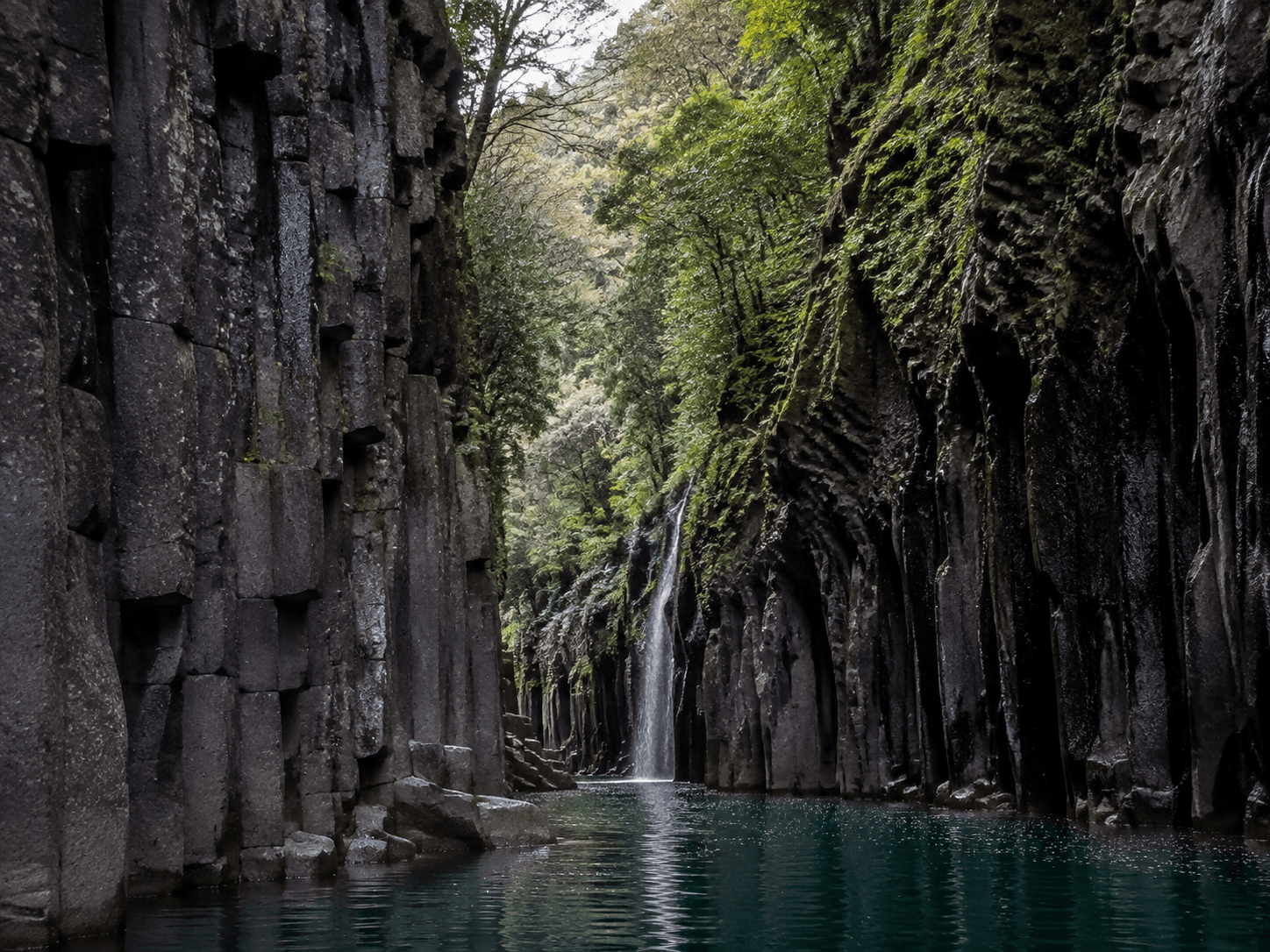
Miyazaki
The night kagura of Takachiho Jinja, Udo Jingu and Aoshima Jinja. Charcoal-grilled jidori chicken and mango, hiyajiru, and Takachiho gorge. Miyazaki, set out category by category.
View the travel guide →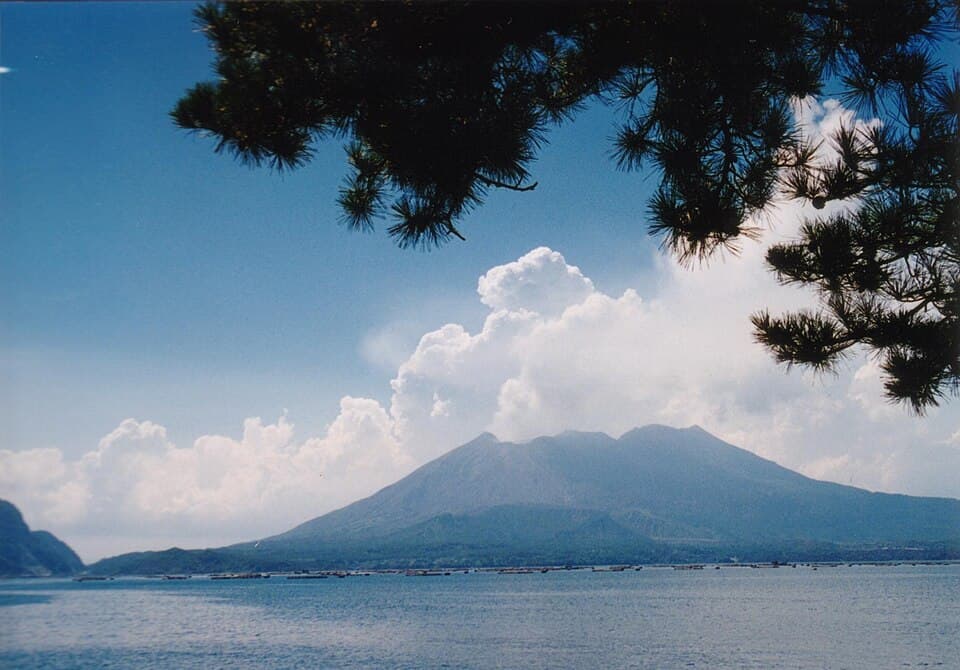
Kagoshima
Kirishima Jingu, Kagoshima Jingu and Hirakiki Jinja. Sweet potatoes and Berkshire pork first in Japan, Satsuma ware, and Yakushima. Kagoshima, set out category by category.
View the travel guide →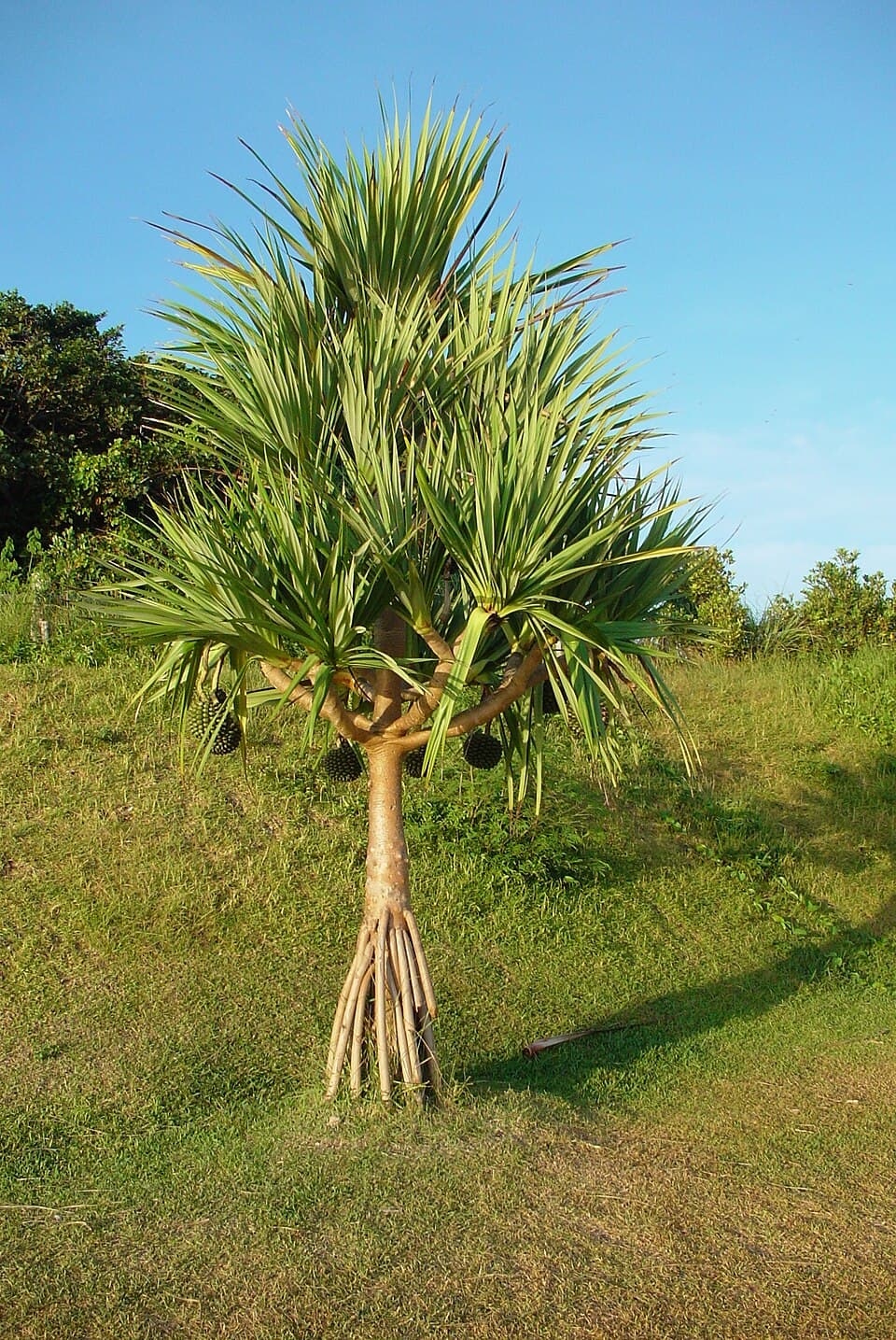
Okinawa
Sefa Utaki, Naminoue-gu and Shuri Castle. Awamori and soki soba, bingata, bashofu, yachimun pottery and shikuwasa. Okinawa, set out category by category.
View the travel guide →Browse by travel theme
Sightseeing spots
Scenery and town walks. Find the places you want to go.
Shrines & temples
Learn the history and culture, and prepare for your visit.
Specialties & souvenirs
Look up local specialties and save them to your shopping notes.
Crafts & industry
Find ideas for hands-on experiences in craft and industry entries. Check whether visits are accepted.
Art & culture
Widen your travel themes with art and culture entries.
100 Regional Revitalization Picks
100 local highlights chosen by each prefecture. Find candidates in nature, food and experiences.
We currently publish guides for 47 regions. Find other regions on the map of all 47 prefectures.