
 Kitashiobara
Goshikinuma
A group of ponds formed by the eruption of Mount Bandai. Each holds water of a different colour.
See detailsJAPAN
Lakes, castle towns, and fruitful lands.
Pick a category that interests you and find the trip that suits you.
PICK UP
From entries with clearly licensed photos.
KitashiobaraA group of ponds formed by the eruption of Mount Bandai. Each holds water of a different colour.
See details KoriyamaAbasaa · Public domain ↗
 Shimogo
Thatched houses line both sides of the road. A post town on the Aizu Nishi Kaido.
See details SomaBachstelze · CC BY-SA 3.0
Introduced by city, ward, town and village within the prefecture.
 AizuwakamatsuShrines & Temples, Architecture · 20 entries
 FukushimaShrines & Temples, Art & Crafts · 9 entries
 IwakiShrines & Temples, Nature & Scenery · 8 entries
 ShirakawaShrines & Temples, Architecture · 6 entries
 KoriyamaShrines & Temples, Art & Crafts · 5 entries
 InawashiroShrines & Temples, Nature & Scenery · 5 entries
 FEATUREFukushima now (autumn)The mountains of Bandai-Azuma and Tadami blaze with expansive autumn color.See the feature Raita Futo · CC BY 2.0Walk Historic Ouchi-jukuStep into the Edo period among thatched houses lining a former post town.
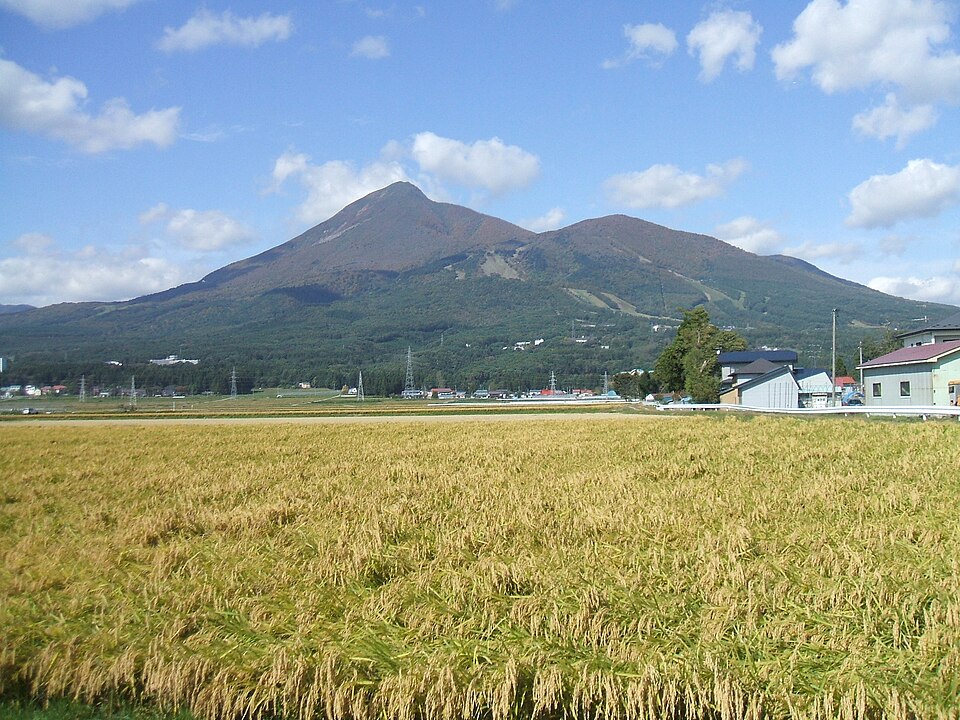 Visit an Aizu Sake BreweryDiscover sake-making traditions supported by Aizu's rice and clear mountain water.Hike Goshikinuma PondsFollow a nature trail linking volcanic ponds of remarkably varied colors.
Check information useful for planning, for a fuller trip.
JAPAN GUIDE
No worries even on a first trip to Japan. Useful things to know, explained clearly.
See all guidesThis answer is a draft. It stays unpublished until legal review and source verification are complete. The answ…
Read the answer →This answer is a draft. It stays unpublished until legal review and source verification are complete. The answ…
Read the answer →This answer is a draft. It stays unpublished until legal review and source verification are complete. The answ…
Read the answer →REGIONAL SPECIALTIES
It is not only the big cities. The regions are full of charm, and special experiences you can only have in each place are waiting.
Value Village
Regional culture, tradition, food, sightseeing, nature and people. A directory that delivers the appeal of each to the whole world.
About Value Village
INSTAGRAM / 6
Local governments, tourism accounts and local posts are shown with official embeds. Photos are not stored on Value Village; they link to the original posts.
THINGS TO DO / 6
Choose from what you can only do here.
 01Visit Tsuruga CastleExplore the red-tiled keep and survey the historic castle town of Aizu.See related entries →くろふね · CC BY 4.002Walk Historic Ouchi-jukuStep into the Edo period among thatched houses lining a former post town.See related entries →MathieuMD · CC BY-SA 4.003Hike Goshikinuma PondsFollow a nature trail linking volcanic ponds of remarkably varied colors.See related entries →lumoplank · CC0
 04Ride the Tadami LineWatch the Tadami River and mountain villages unfold through the train window.See related entries →Jun Imaizumi · CC BY-SA 3.0
 05Tour Kitakata StorehousesExplore streets lined with historic storehouses and taste famous Kitakata ramen.See related entries →nnh · Public domain06Visit an Aizu Sake BreweryDiscover sake-making traditions supported by Aizu's rice and clear mountain water.See related entries →Breakover · CC BY-SA 3.0
NEED TO KNOW
BEST TIME TO TRAVEL
 SQUAREZERO · CC BY 4.0
Celebrated trees led by Miharu Takizakura burst into bloom across the prefecture.
See recommendations for this season → Namiryu · CC BY-SA 4.0
Green highlands and blue skies frame Goshikinuma Ponds and Lake Inawashiro.
See recommendations for this season →Raita Futo · CC BY 2.0The mountains of Bandai-Azuma and Tadami blaze with expansive autumn color.
See recommendations for this season → contri from Yonezawa-Shi, Yamagata, Ja… · CC BY-SA 2.0
Enjoy Aizu's snowy scenery, hot springs, and powder-covered ski slopes.
See recommendations for this season →LOCAL FOOD / 13
What people have long eaten in this place. We collect the dishes themselves, not restaurants.
Taro, carrot, wood ear mushrooms, shredded konjac, bracken and bean-sized wheat gluten are simmered in dashi of dried scallop and dried shiitake and seasoned with soy sauce.
Area:Aizu region excluding Minamiaizu
Source:Ministry of Agriculture, Forestry and Fisheries (MAFF), "Our Regional Cuisines"
Shredded dried squid and carrot are steeped for half a day to several days in a seasoning liquid of coarse sugar, sake and soy sauce cooked down together.
Area:Fukushima
Source:Ministry of Agriculture, Forestry and Fisheries (MAFF), "Our Regional Cuisines"
Dried migaki-nishin herring and sansho leaves are layered alternately, a mixture of vinegar, sake and soy sauce is poured over, a weight is placed on top and it is pickled for two or three days.
Area:Entire Aizu region
Source:Ministry of Agriculture, Forestry and Fisheries (MAFF), "Our Regional Cuisines"
The flesh of Pacific saury is chopped with a knife, mixed with minced green onion and ginger, miso and potato starch, formed into rounds and grilled on both sides.
Area:Iwaki
Source:Ministry of Agriculture, Forestry and Fisheries (MAFF), "Our Regional Cuisines"
Small potatoes are stir-fried in oil with the skin on, then simmered until the moisture cooks off, and seasoned sweet and salty with sugar, mirin and miso.
Area:Furudono
Source:Ministry of Agriculture, Forestry and Fisheries (MAFF), "Our Regional Cuisines"
Cooked rice is mashed, rolled into balls and skewered, then coated with junen miso, made by roasting and grinding perilla seeds and mixing them with sugar, miso and sake, and grilled.
Area:Shimogo, Minamiaizu
Source:Ministry of Agriculture, Forestry and Fisheries (MAFF), "Our Regional Cuisines"
Carp cut into chunks is simmered for several hours in a broth of sake, soy sauce, water and sugar, then left overnight so the flavor settles in.
Area:Aizu region
Source:Ministry of Agriculture, Forestry and Fisheries (MAFF), "Our Regional Cuisines"
Taro, carrot, burdock, daikon, konjac, dried shiitake and chicken are cut into uniform one-centimeter cubes, simmered in dashi and seasoned with soy sauce.
Area:Nihonmatsu
Source:Ministry of Agriculture, Forestry and Fisheries (MAFF), "Our Regional Cuisines"
Stir-fried cabbage is seasoned with sake, mirin and soy sauce and tossed with cut mochi softened in hot water.
Area:Koriyama
Source:Ministry of Agriculture, Forestry and Fisheries (MAFF), "Our Regional Cuisines"
Cooled cooked rice is mixed with koji and salt and left for more than a month to make a pickling bed, in which cucumber, eggplant, carrot and turnip are pickled overnight.
Area:Nihonmatsu
Source:Ministry of Agriculture, Forestry and Fisheries (MAFF), "Our Regional Cuisines"
Horse meat is sliced thin and eaten raw, dipped in karashi miso (miso mixed with mustard) or soy sauce. It is known for lean red meat with no marbling.
Area:Aizuwakamatsu, Aizubange
Source:Ministry of Agriculture, Forestry and Fisheries (MAFF), "Our Regional Cuisines"
Buckwheat flour and rice flour are kneaded with boiling water, rolled thin, cut into diamond shapes and boiled, then eaten with junen miso, made by grinding perilla seeds and mixing them with sugar and miso.
Area:Hinoemata, Minamiaizu region
Source:Ministry of Agriculture, Forestry and Fisheries (MAFF), "Our Regional Cuisines"
A noodle dish pairing thick wavy noodles with a rich soup made with locally produced soy sauce and sake. There is a custom of eating it in the morning.
Area:Kitakata
Source:Fukushima Prefecture Tourism & Local Products Association "Fukushima Travel"
MICHI-NO-EKI / 37
Rest facilities registered by Japan's national government. Each has parking and toilets open 24 hours, and by definition includes a facility that sells local products. This is where the making and the food of this prefecture can actually be bought.
There are 37 stations in this prefecture in all (national registry).
LOCAL ACCOUNTS / 2
Japanese-language accounts that post about this area.
These are third-party accounts. They are not affiliated with Value Village and this is not an endorsement.
CITIES & TOWNS / 28
Sorted by number of entries. Start from the name of a town.
INTERESTS / 14
Only the interests found in this prefecture.
Isasumi Jinja · nnh · Public domainIsasumi Jinja / Ioji
To the list Miharu Takizakura · 京浜にけ · CC BY-SA 3.0
Miharu Takizakura / Goshikinuma
To the list Hawaiians · Sakaori · CC BY 3.0
Hawaiians / Himesayuri at Tsutsumigahira
To the listNanukamachi
To the listOyakuen · Qwert1234 · Public domainOyakuen
To the listTsuruga-jo · くろふね · CC BY 4.0Tsuruga-jo / Ouchi-juku
To the list Nisshinkan · Duff Figgy · CC BY-SA 3.0
Nisshinkan / Fukushima Museum
To the list Soma Nomaoi · Assoc_SOMA-NOMAOI · CC BY 4.0
Soma Nomaoi / Fukushima Prefectural Museum of Art
To the list Hanamiyama · BehBeh · CC BY-SA 3.0
Hanamiyama / Sukagawa Taimatsu Akashi
To the list Tsuchiyu Kokeshi · 8joKeaton · CC BY-SA 4.0
Tsuchiyu Kokeshi / Fukushima Robot Test Field
To the list Earthquake Disaster Remains Namie Town Ukedo Elementary School · Higa4 · CC0
Earthquake Disaster Remains Namie Town Ukedo Elementary School / Little Leaf Art Museum Fukushima
To the list Fukushima Agricultural Technology Centre · 藍原あおい · CC BY-SA 4.0
Fukushima Agricultural Technology Centre / Suehiro Shuzo Kaeigura
To the list Iwana-no-Sato · Koda6029 · CC BY-SA 4.0
Iwana-no-Sato / Futaba Super Zero Milk and Air Kaoru Futabamaru
To the list Choshigataki Falls · shinohal · CC BY-SA 3.0
Choshigataki Falls / Yutorelo Bandai-Atami
To the listHIGHLIGHTS
From entries with clearly licensed photos.
 Shrines & Temples
The shrine that carries the origin of the place name Aizu. It has long been held to be the tutelary shrine of the whole region.
Nature & SceneryA weeping cherry said to be more than a thousand years old. One of the three great cherry trees of Japan, and the tree itself has long been revered.
MuseumsThe site of the Aizu domain school. The Ju no Okite was the code for the sons of samurai.
ArchitectureIt withstood a month-long siege in the Boshin War. A keep with red tiles.
 Contemporary Art
A flower farmer opened his own hillside to the public without charge. A paradise, in Fukushima.
GardensA daimyo garden where medicinal herbs were grown, laid out around a heart-shaped pond.
SMILE NEWS / 136
Stories that lift your spirits a little, collected with their sources.
Researchers from Aquamarine Fukushima, Kansai University and the National Institute of Genetics have published a paper in a U.S. academic journal detailing how Pacific saury develop from fertilized egg to juvenile. They found a trait unique to saury: body segments begin forming while gastrulation is still under way.
source: Aquamarine FukushimaIoji Temple in Iizaka, Fukushima City, marks 1,200 years since its founding by showing its hidden Yakushi Nyorai statue in the main hall on the afternoon of October 4. It is the first showing in more than 100 years, since the mid-Taisho era, and a special commemorative goshuin stamp will be offered.
source: Fukushima Minyu ShimbunIn Chile's Patagonia National Park, a women-led ranger team returned 13 Darwin's rheas to the wild in April 2026. Working with the Rewilding Chile Foundation, they care for the birds around the clock; surveys once estimated only about 11 to 15 remained.
source: MongabayHashtags often used for this area. Each opens the tag page on Instagram.
SEASONS & EVENTS
2026-10-10 ~ 2026-11-23
2026-11-14 ~ 2026-11-14
Minamisoma and others
Fukushima
BEFORE YOU GO
TRAVEL
Real photos of the region. Select an image to enlarge it.
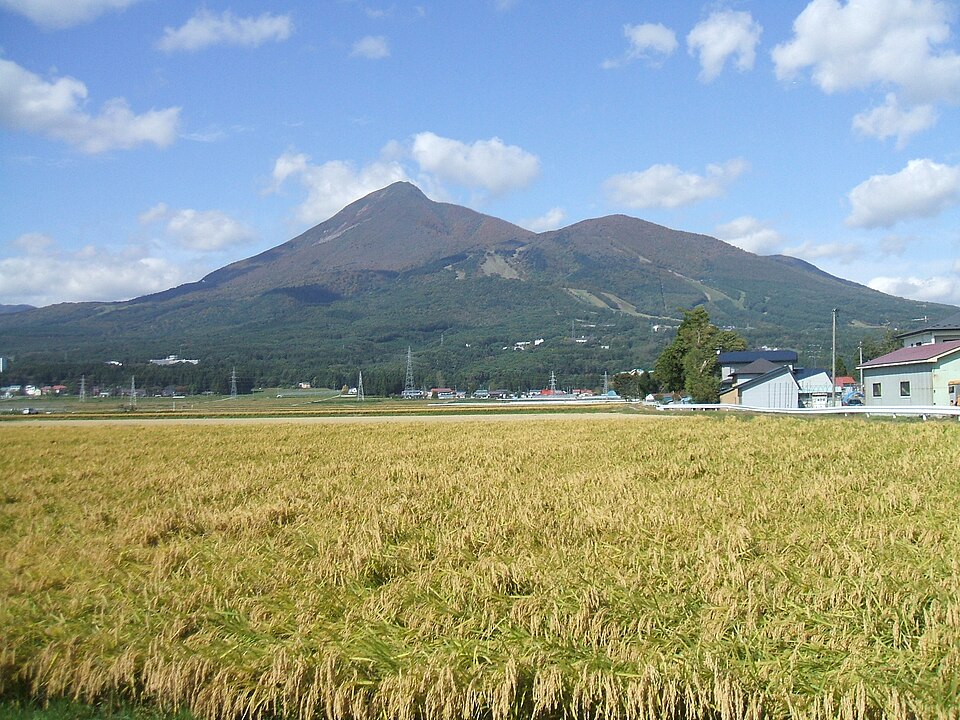 Enlarge ↗
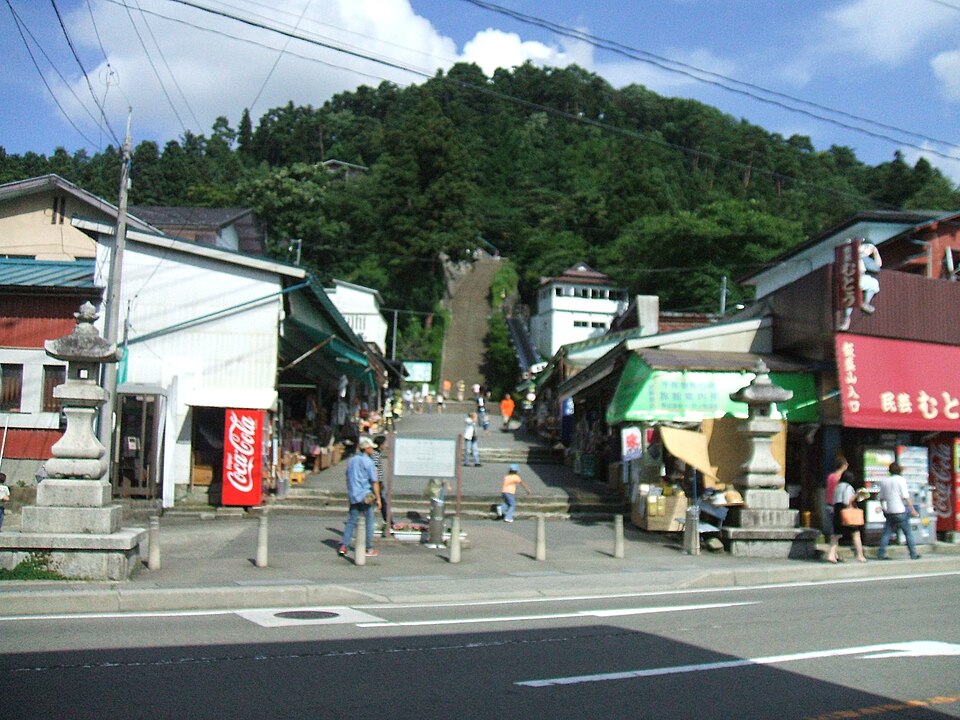 Enlarge ↗
Scenery you have never seen, flavors you never knew, people you would never otherwise meet. A journey to feel this beautiful Japan closer.
Start the journey


.jpg)
.jpg)